Some travelers leave Mongolia with great memories. Others leave with something harder to explain.
Introduction
Most people who come to Mongolia know what they're looking for. Adventure. Landscape. Something different. And Mongolia delivers — almost without exception, people leave with exactly what they came for.
But some of them come back.
Not because the first trip wasn't enough. Because something happened that they didn't expect, and they want to understand it better. Or simply feel it again.
I've guided expeditions across Mongolia for fourteen years. I've watched hundreds of people arrive with cameras and itineraries, and I've watched them leave quieter than they came. Not sad. Not overwhelmed. Just quieter. And I've come to think I understand why.
The City Doesn't Prepare You
Ulaanbaatar is a normal city. Traffic, noise, people in a hurry. If you spent your whole trip there, you'd leave with nothing unusual to report.
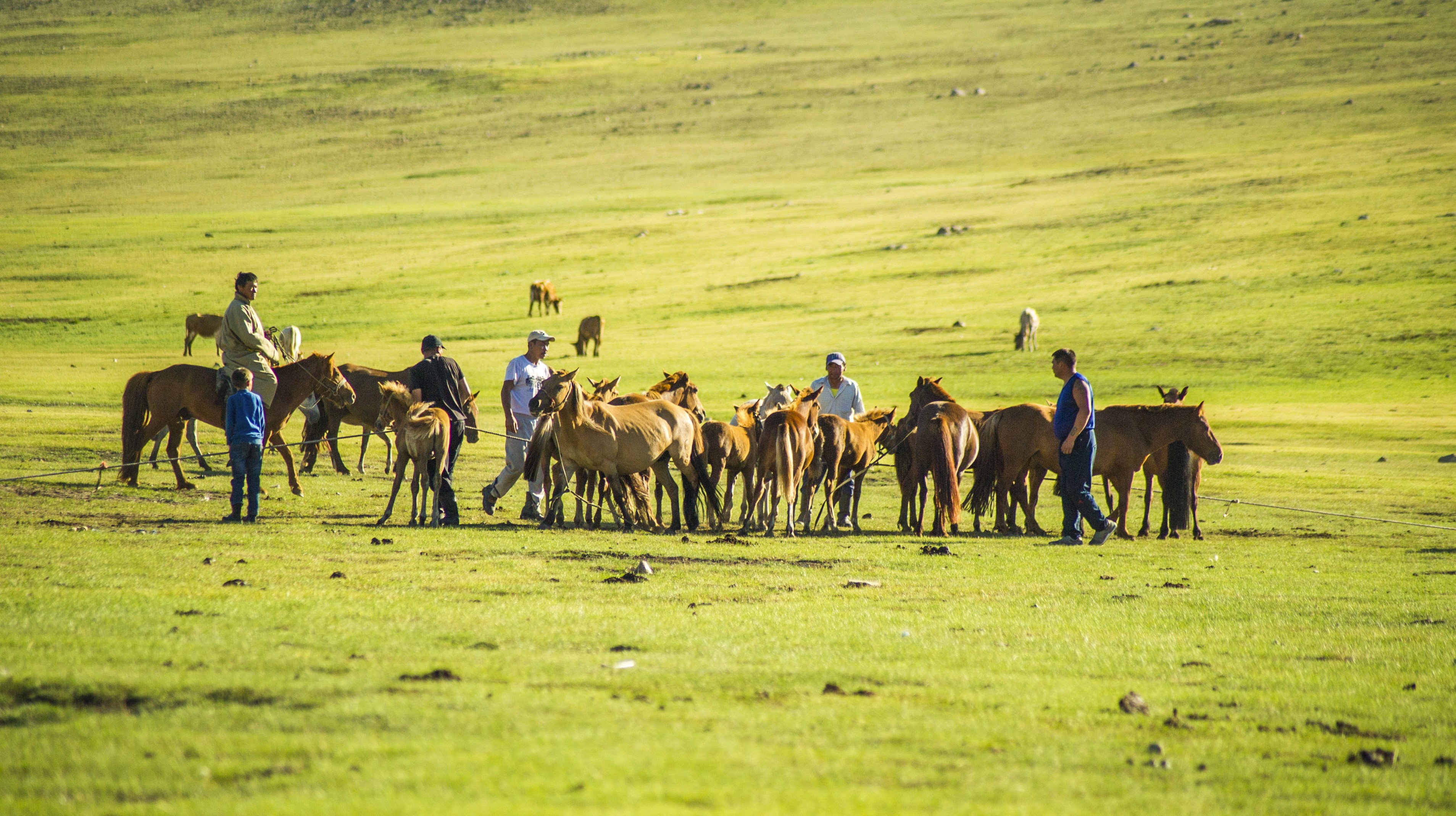
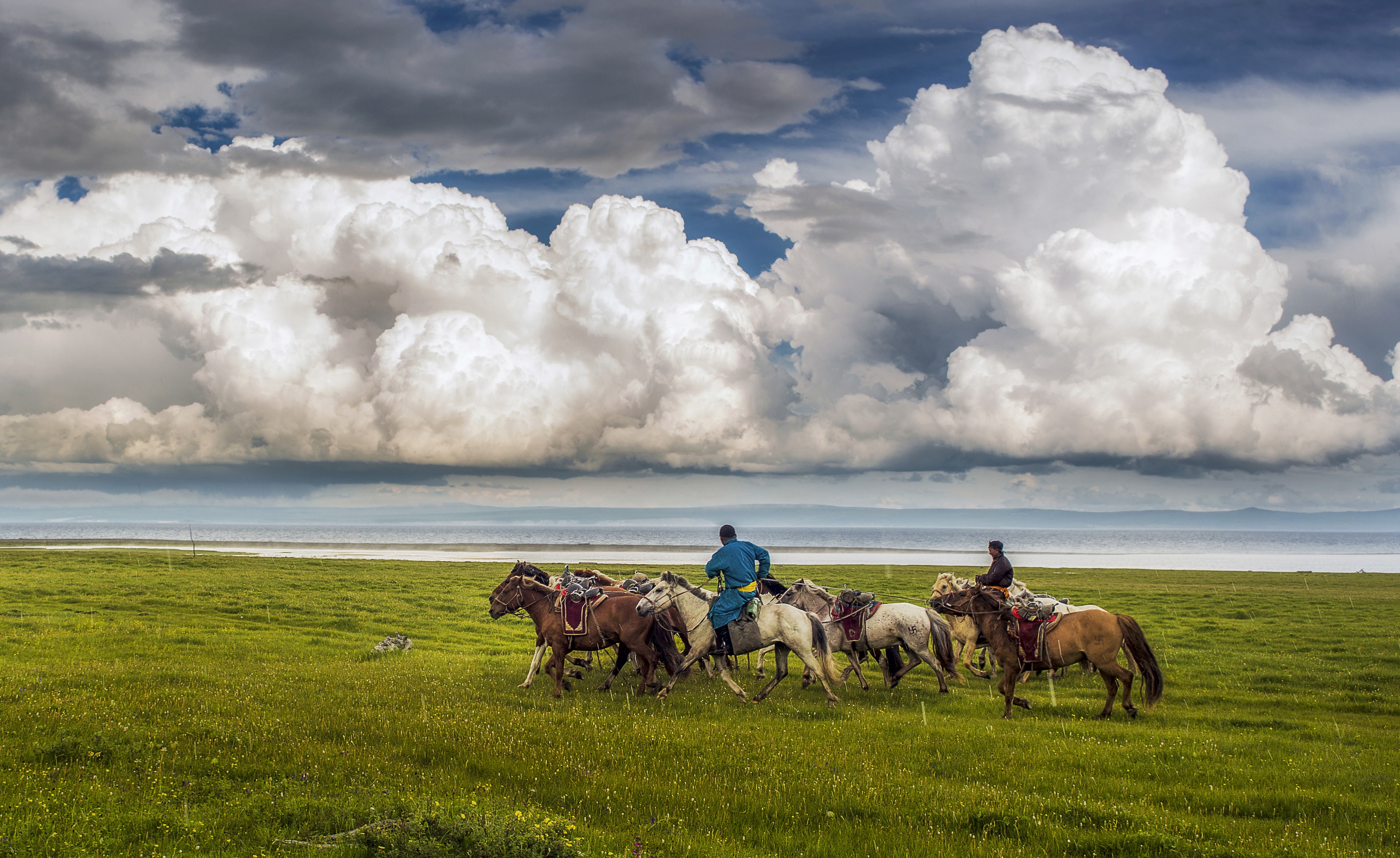
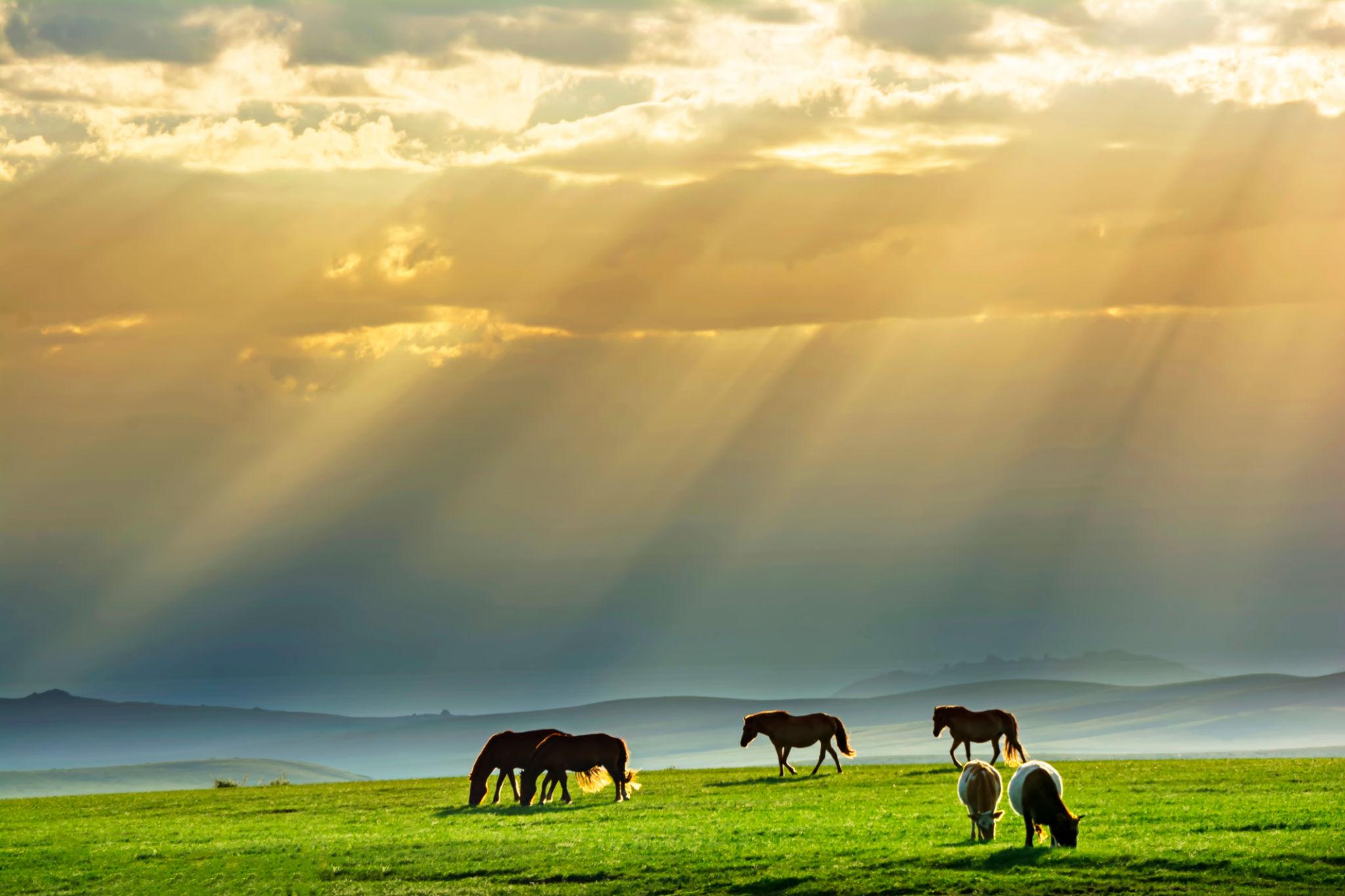
But drive an hour out of the city — in any direction — and the steppe opens up. The noise stops. The horizon goes further than you're used to. And something in you, without any decision on your part, begins to slow down.
This is not a metaphor. It is a physical thing that happens.
Time Works Differently Here
In the countryside, there are no schedules that the land respects. The day begins when the light comes. Meals happen when the food is ready. You ride when the horses are willing. You stop when the weather changes.
Most people spend their entire lives in environments designed around human schedules — alarms, meetings, deadlines, notifications. Mongolia is not that. Mongolia has its own rhythm, and it doesn't negotiate.
What surprises people is how quickly they adapt. Within two or three days, the urgency most of us carry everywhere begins to dissolve. Not because anything is solved or decided, but because the land simply doesn't support it.
You stop checking your phone. Not because you're trying to. Because there's nothing to check — and because what's in front of you is more interesting anyway.
The Mongolian Mindset
There's something in the way Mongolians relate to the natural world that's worth paying attention to.
It isn't reverence in a religious sense, though religion is part of it. It's more practical than that. It's the understanding that the land doesn't belong to you — you belong to it. That the weather, the season, the condition of the steppe will determine what is possible today. Not your preferences.
Nomadic life is built around this principle. You don't fight the winter. You prepare for it. You don't force the animals — you understand them. You don't ask the land to be convenient. You move with it.
Spending real time in that environment — even just a week — has a way of rearranging something in you. Not dramatically. Quietly. You start to notice how much energy you normally spend resisting things that aren't going to change. And you start to wonder if there's another way.
What People Say When They Leave
I don't ask people what they thought of the trip. I can usually tell. The ones who are changed are the ones who go quiet at the end — not because they don't have words, but because the words feel inadequate.
Some of them tell me later, in messages weeks or months after they've gone home, that they still think about a particular morning on the steppe, or a night when they lay outside the ger and looked at the sky for an hour without moving. Not because anything happened. Because nothing did — and that was the point.
Some of them come back.
5. Why the Sky Matters
Mongolia has almost no light pollution. In the countryside, away from any town, the night sky is something most people raised in cities have never actually seen.
Not "a nice view of the stars." The full sky. The Milky Way as a physical presence, not a photograph. Stars down to the horizon in every direction. The kind of sky that makes you feel, correctly, that you are very small — and somehow, at the same time, completely at home.
I've watched people stand outside their ger at midnight in complete silence for half an hour, not saying a word. I leave them to it. There's nothing useful I could add.
It Doesn't Happen to Everyone
I want to be honest about this. Not everyone who comes to Mongolia leaves changed. Some people have a wonderful trip — beautiful landscapes, interesting experiences, great photographs — and go home exactly as they arrived. There's nothing wrong with that.
But for some people, Mongolia does something else. It creates a kind of stillness inside them that they didn't know they were missing. And once you've felt that, it's difficult to unknow it.
Those are the ones who come back.
If you're thinking about coming to Mongolia for the first time, I'd be glad to talk about what's possible.