Visa requirements, weather, culture, food, money, and practical tips for first-time travelers to Mongolia.
Introduction
I get asked versions of the same questions before almost every expedition I lead. What do I need to bring? Is it safe? When should I go? After fourteen years of traveling and guiding across Mongolia, the answers have become second nature — but I remember when they weren't.
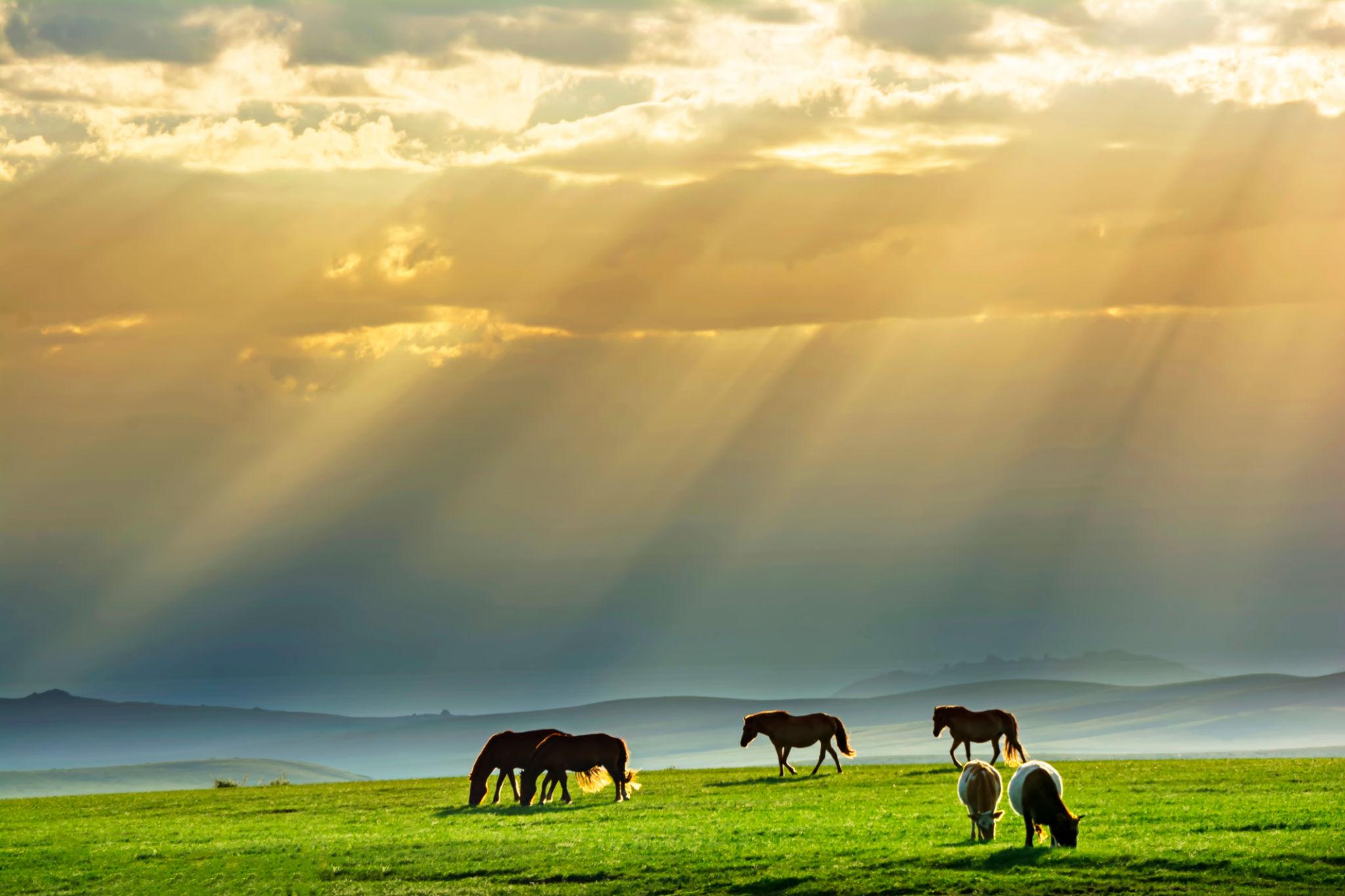
This guide covers what I wish someone had told me clearly at the beginning. Most people picture the landscapes from photographs — the open steppe, the horses, the ger. What they don't picture is what it actually feels like to be there. That part, no guide can prepare you for. But everything else, I can.
1. Visa — Most Nationalities Don't Need One
Citizens of more than 60 countries — including the United States, Canada, Australia, New Zealand, the United Kingdom, Japan, South Korea, and most of Europe — can enter Mongolia visa-free for up to 30 days.
Mongolia's government has confirmed visa-free entry for 34 additional countries through December 2026, with the possibility of extending the policy to 2028 as part of the national tourism initiative "Visit Mongolia."
If your country is not on the visa-free list, an e-visa is available for citizens of 98 countries through the official portal at evisa.mn.
One important note: Even if you enter visa-free, you are required to register with the immigration authority within 48 hours of arrival. Your hotel or tour guide can typically handle this on your behalf.
Always verify the latest entry requirements for your specific nationality before booking flights, as policies can change without notice.
2. Best Time to Visit — June to September
The ideal travel season in Mongolia runs from mid-June through the end of August, when the weather is warm, the steppe turns green, and the days are long. September is also excellent — cooler, quieter, and painted in the warm colors of early autumn.
Average summer temperatures:
• Mountain ranges (Altai, Khangai, Khentii): +15°C to +22°C during the day
• Central steppe: +25°C to +28°C
• Gobi Desert: +27°C to +40°C
Nights across Mongolia can be significantly cooler than the daytime, regardless of the season. Always pack warm layers — even in July.
Festival season:
• Naadam — National Festival: July 11–13
• Rural Naadam festivals: held across provinces between July 20–30
The rural Naadam festivals deserve special mention. Unlike the national event, these are intimate local gatherings where you can stand among the crowd, watch wrestling and archery at close range, and share the moment with local families. If your schedule allows, try to attend one. The experience is unlike anything you'll find in a stadium.
3. Ulaanbaatar — Don't Expect Too Much From the Capital
Ulaanbaatar is a modern city with restaurants, museums, and a lively urban culture. It is worth a day or two. But Mongolia doesn't truly begin in the city.
Within an hour of leaving Ulaanbaatar, the steppe opens and everything changes. Spend as little time in the capital as your itinerary allows, and get out into the countryside as early as possible. That is where Mongolia is.
4. Mongolian Food — A Culture Shaped by the Seasons
Mongolian food culture is inseparable from the land and the seasons it brings. This is not simply a culinary tradition — it is thousands of years of practical wisdom, passed down through generations of nomadic life.
During the harsh winter months, Mongolians rely on meat and animal fat to sustain the body through the cold. In summer, the diet shifts entirely. Fresh dairy products — collectively known as "white food" (цагаан идээ) — take center stage: yogurt, airag, dried curd, and fresh milk become the foundation of everyday meals.
Try these during your visit:
• Airag — fermented mare's milk, lightly fizzy and refreshing. A taste that is entirely its own.
• Khorkhog — meat slow-cooked with hot stones inside a sealed vessel. A traditional method unlike anything you'll find elsewhere.
• Suutei tsai — salted milk tea, offered at every Mongolian household at any hour of the day.
• Aaruul — dried curd carried as a travel snack, often offered to guests as a gesture of welcome.
If you don't eat meat, mention it in advance. Good guides and cooks will always find a way to accommodate you.
5. Mongolian Culture — Thousands of Years of Living Heritage
Mongolia is not just a landscape. It is a civilization shaped, refined, and carried forward across thousands of years of nomadic life. Understanding even a little of it before you arrive will make everything you experience far more meaningful.
Nomadic Life
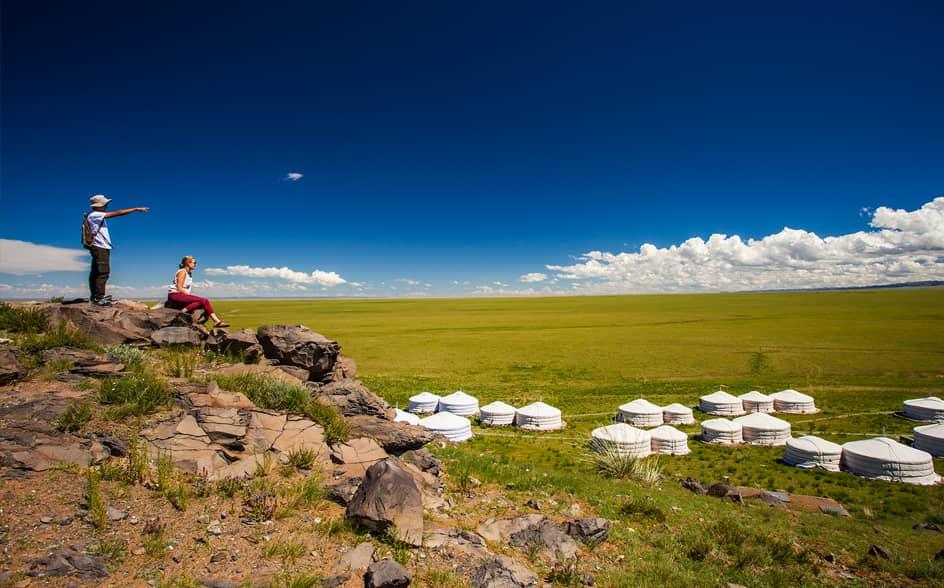
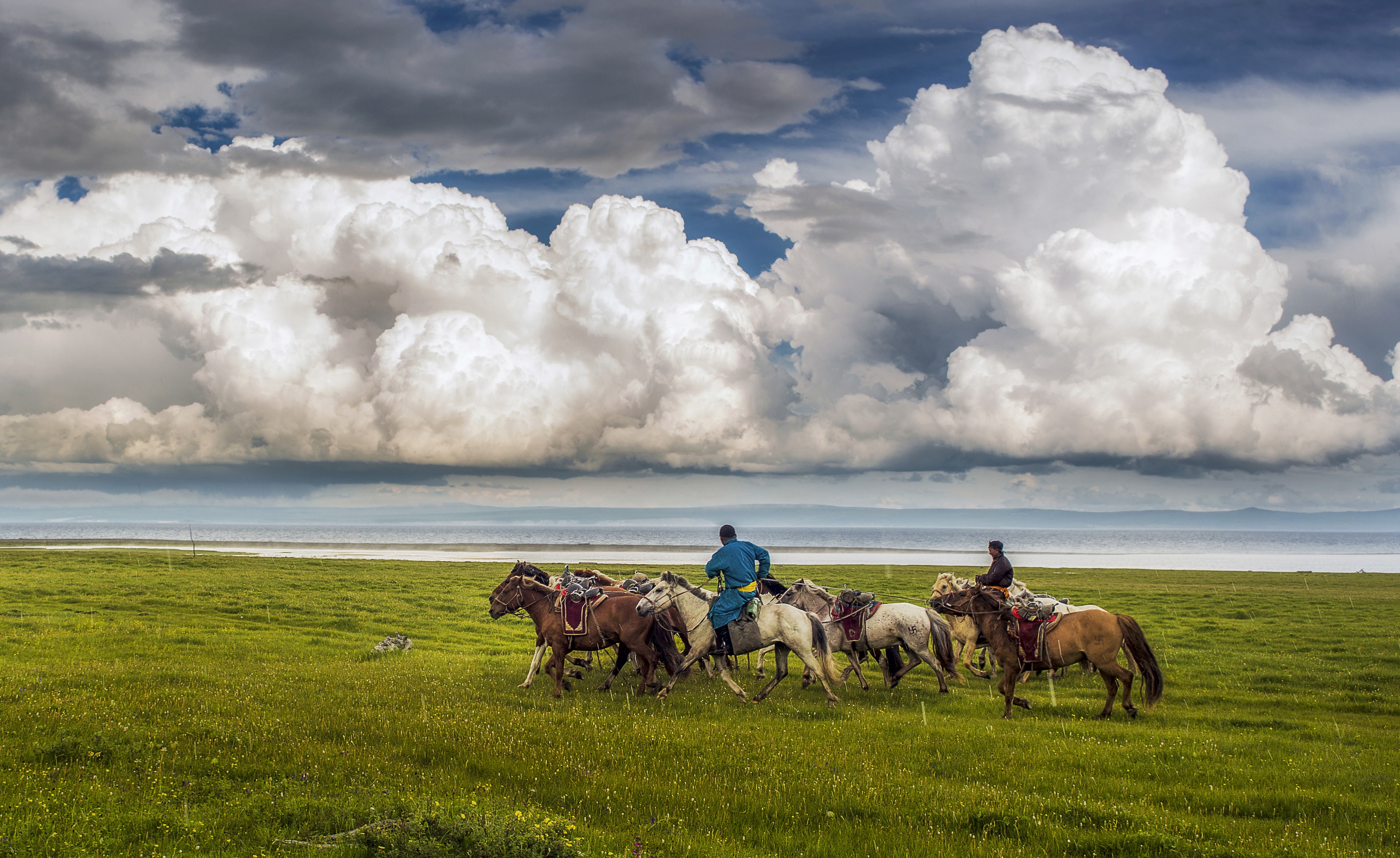
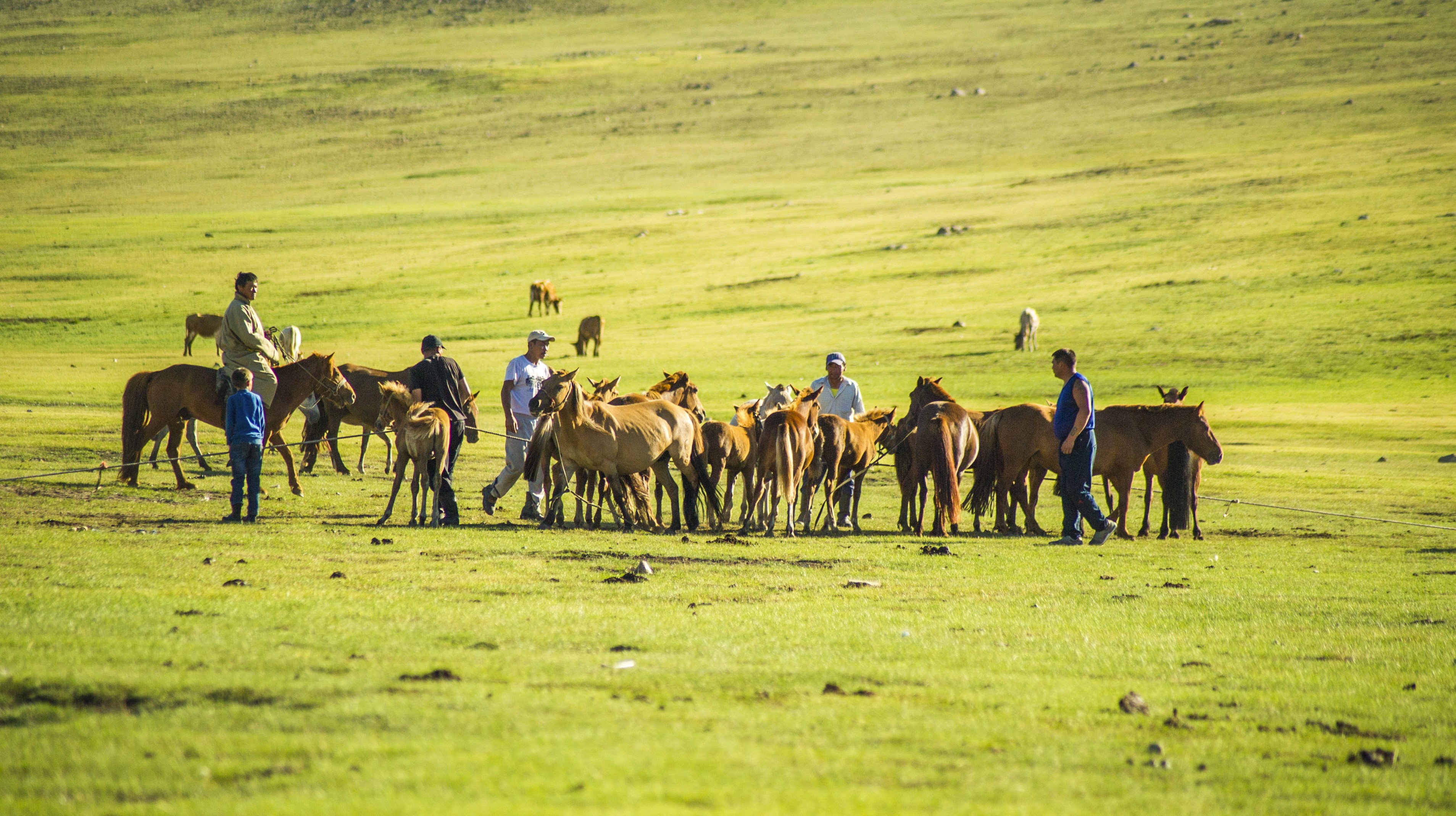
Mongolians have herded the "five snouts" — horse, camel, cattle, sheep, and goat — across the steppe since ancient times. Their home, the ger, is one of the most practical and elegant dwellings ever devised: it can be assembled in under two hours, withstands the harshest winter conditions, and is warm enough to sleep comfortably through extreme cold.
When you are invited into a Mongolian home, accept the tea and white food offered to you. This is not a formality — it is a genuine act of hospitality rooted in centuries of tradition.
Naadam — The Three Games of Men
The national festival of Mongolia centers on three traditional competitions: wrestling, horse racing, and archery. Historical records trace the origins of Naadam to the era of the Great Mongol Empire. What makes it remarkable today is how alive it remains — not as a performance for tourists, but as a living tradition that Mongolians genuinely care about.
Horse racing during Naadam deserves particular attention: the jockeys are children, often as young as five or six years old, racing distances of up to 30 kilometers across open steppe. It is one of the most striking things you will witness in Mongolia.
Music — A UNESCO-Recognized Art Form
Khoomei (throat singing) is the practice of producing multiple simultaneous pitches from a single human voice. It was recognized by UNESCO as an Intangible Cultural Heritage of Humanity in 2010. Hearing it performed live — especially in a ger on the open steppe — is something that stays with you.
The morin khuur (horsehead fiddle) is Mongolia's national instrument. According to tradition, every Mongolian household should have one. A home with a morin khuur was called a "complete home." A home without one was called a "widowed home."
The urtiin duu (long song) is perhaps the most distinctly Mongolian of all art forms — a single melody stretched across minutes, with a range and depth that mirrors the vast open landscape it was born from.
Spirituality — Buddhism and Shamanism
Buddhism arrived in Mongolia in the 16th century and became deeply woven into the culture. Monasteries, prayer wheels, and ovoo (sacred stone cairns) are found across the country. When you pass an ovoo, it is customary to walk around it three times clockwise and add a stone as an offering.
Beneath the Buddhist tradition lies something older: shamanism, the original spiritual practice of the Mongolian people — a deep reverence for the sky, the earth, and the natural forces that govern both. In many parts of Mongolia, especially in the north, shamanic traditions remain very much alive.
6. Horses — You Don't Need Experience
Many first-time visitors worry about riding horses. Don't. Mongolian horses are calm, sure-footed, and experienced with riders of all levels. Most people find their confidence within the first twenty minutes.
That said, a full day in the saddle will make itself felt the following morning. This is entirely normal, and passes quickly.
7. Connectivity — Leave the Grid Behind
Mobile coverage exists in and around most towns and cities. Once you travel into the Altai mountains, the Taiga forest, or the deep Gobi Desert, the signal disappears.
This is not a drawback. It is one of Mongolia's greatest gifts.
Mongolia has almost no light pollution across its vast countryside. On a clear night away from the city, the sky is extraordinary — millions of stars visible to the naked eye, and breathtaking through a telescope. It is one of the best places on Earth for stargazing, and the silence that accompanies it is something most people have never truly experienced before.
8. Money — Cash Is King
Mongolia operates primarily on cash, especially outside Ulaanbaatar. ATMs are widely available in the capital and most major towns, and international cards generally work in the city.
In the countryside, always assume cash only. Carry small denominations.
• Currency: Mongolian Tögrög (₮)
• Exchange rate: approximately ₮3,500 per USD (2026)
• Tip: Exchange at official currency exchange offices in Ulaanbaatar for the best rates
9. Travel Insurance — Non-Negotiable
Comprehensive travel insurance is essential for Mongolia — not optional. The distances involved, the remoteness of many destinations, and the limited availability of medical facilities outside the capital make emergency evacuation coverage particularly important.
Make sure your policy covers:
• Medical treatment
• Emergency evacuation
• Baggage and trip cancellation
10. What to Pack — Layer Everything
Mongolia's weather can shift dramatically within a single day — cool mornings, hot afternoons, cold evenings, and the occasional summer rainstorm. Pack for all conditions.
• ✅ Layered clothing — base layer, mid layer, and a windproof and waterproof outer shell
• ✅ A warm jacket — even in July, nights in the mountains and on the steppe can be cold
• ✅ A rain jacket
• ✅ A warm sleeping bag if you plan to camp
• ✅ Comfortable trousers suitable for riding
• ✅ Sturdy, broken-in footwear
11. Where to Go — Choose One Region and Go Deep
Mongolia is enormous. Trying to see everything in a single trip means seeing nothing properly. Choose one region and spend real time there.
| Region | What It Offers |
|---|---|
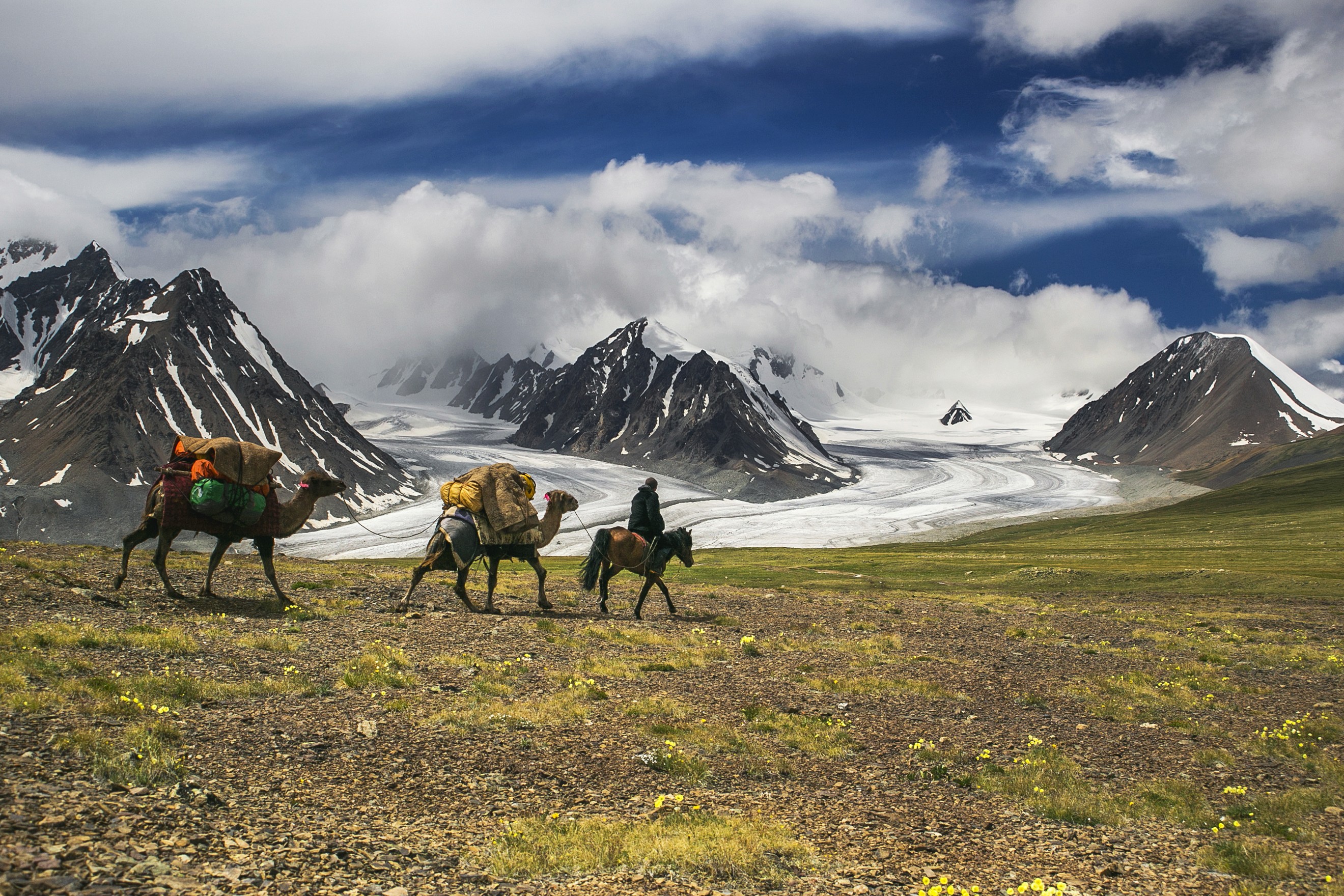
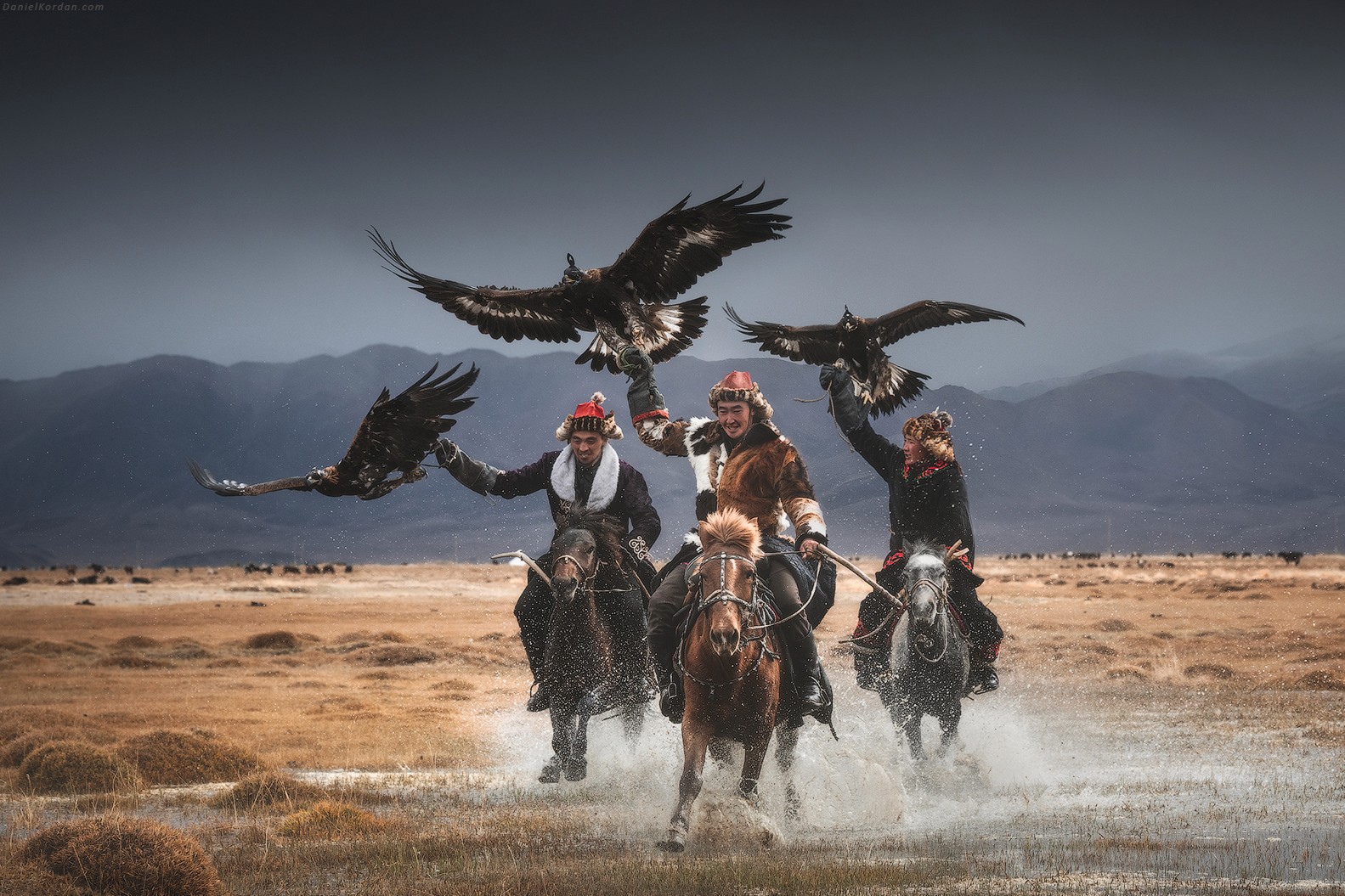
| Altai — Western Mongolia | Eagle hunters, glaciers, Kazakh culture, remote mountain terrain |
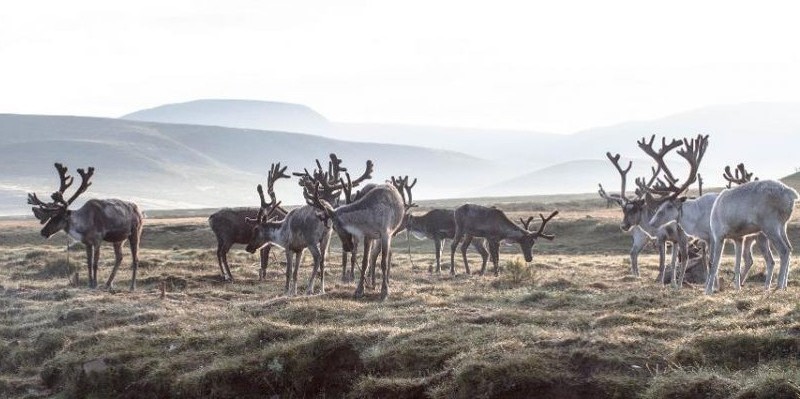
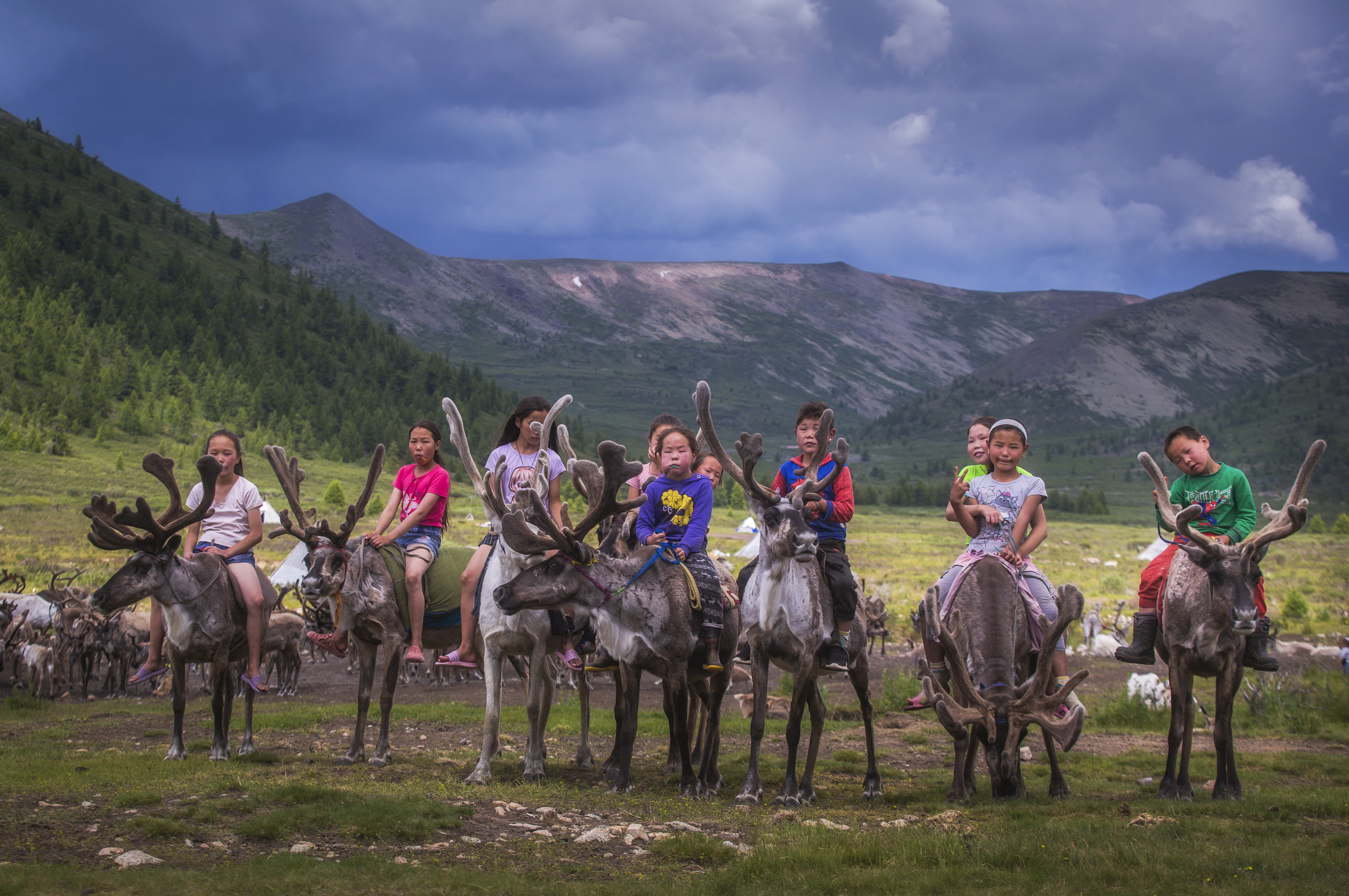
| Khövsgöl & Taiga — North | Tsaatan reindeer herders, ancient forest, the Blue Pearl lake |
| Gobi Desert — South | Sand dunes, ancient fossil sites, dramatic canyon landscapes |
| Orkhon Valley — Central | Waterfalls, ancient monasteries, nomadic heartland |
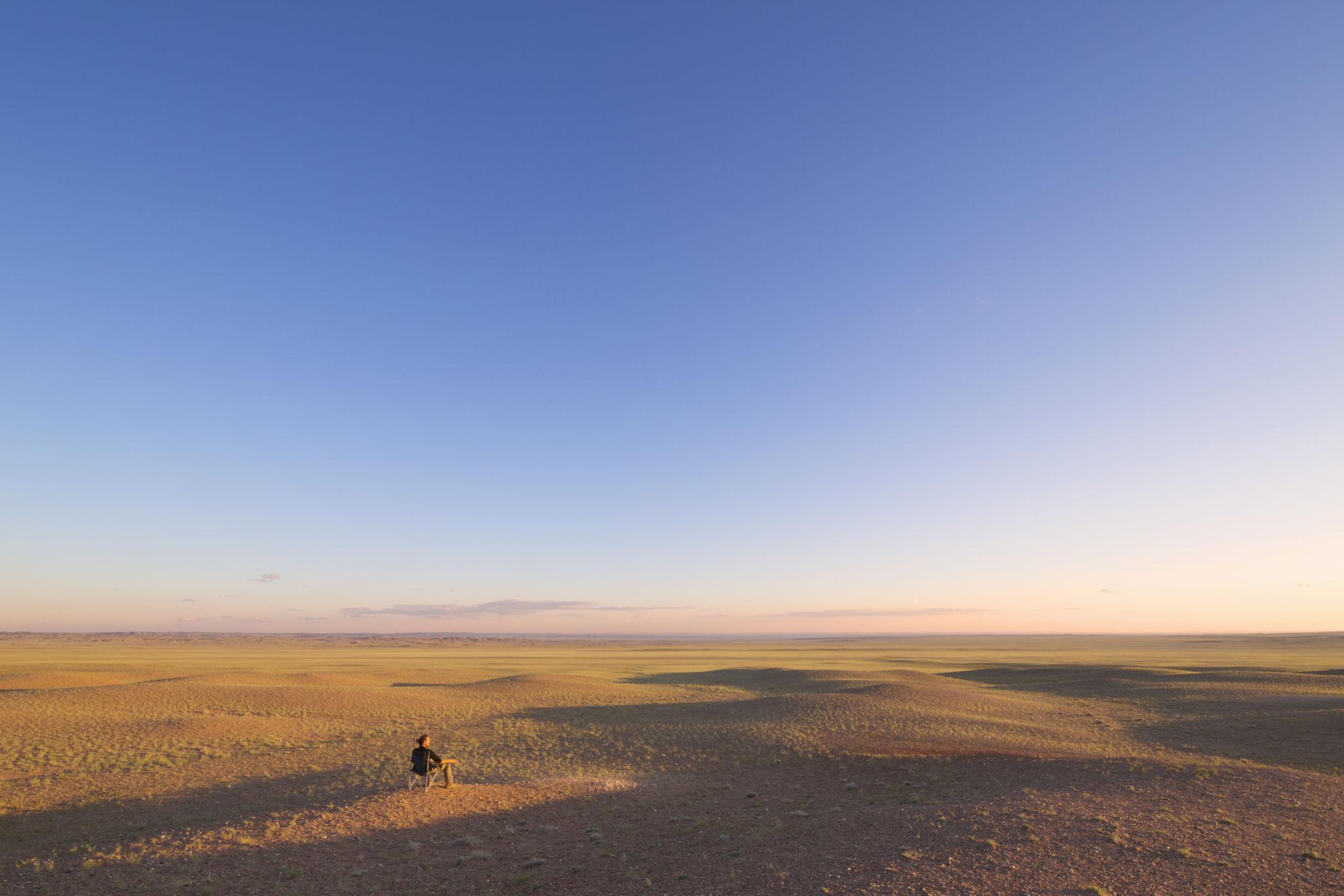
| Eastern Steppe | Endless open grassland, Buir Lake, white gazelle herds, and the birthplace of Chinggis Khaan |
One Last Thing
The most important thing you can bring to Mongolia is an absence of expectation. There is no agenda here. No schedule the land will conform to. What Mongolia offers — its silence, its scale, its people — arrives on its own terms.
It will change you in ways you won't fully understand until you're home.