The honest answer — from someone who has guided families across Mongolia for years.
Introduction
Yes. Mongolia is genuinely good with children. I've guided families here with kids of different ages, different temperaments, and different levels of outdoor experience. The ones who struggled were almost always the parents — the children adapted faster than anyone expected.
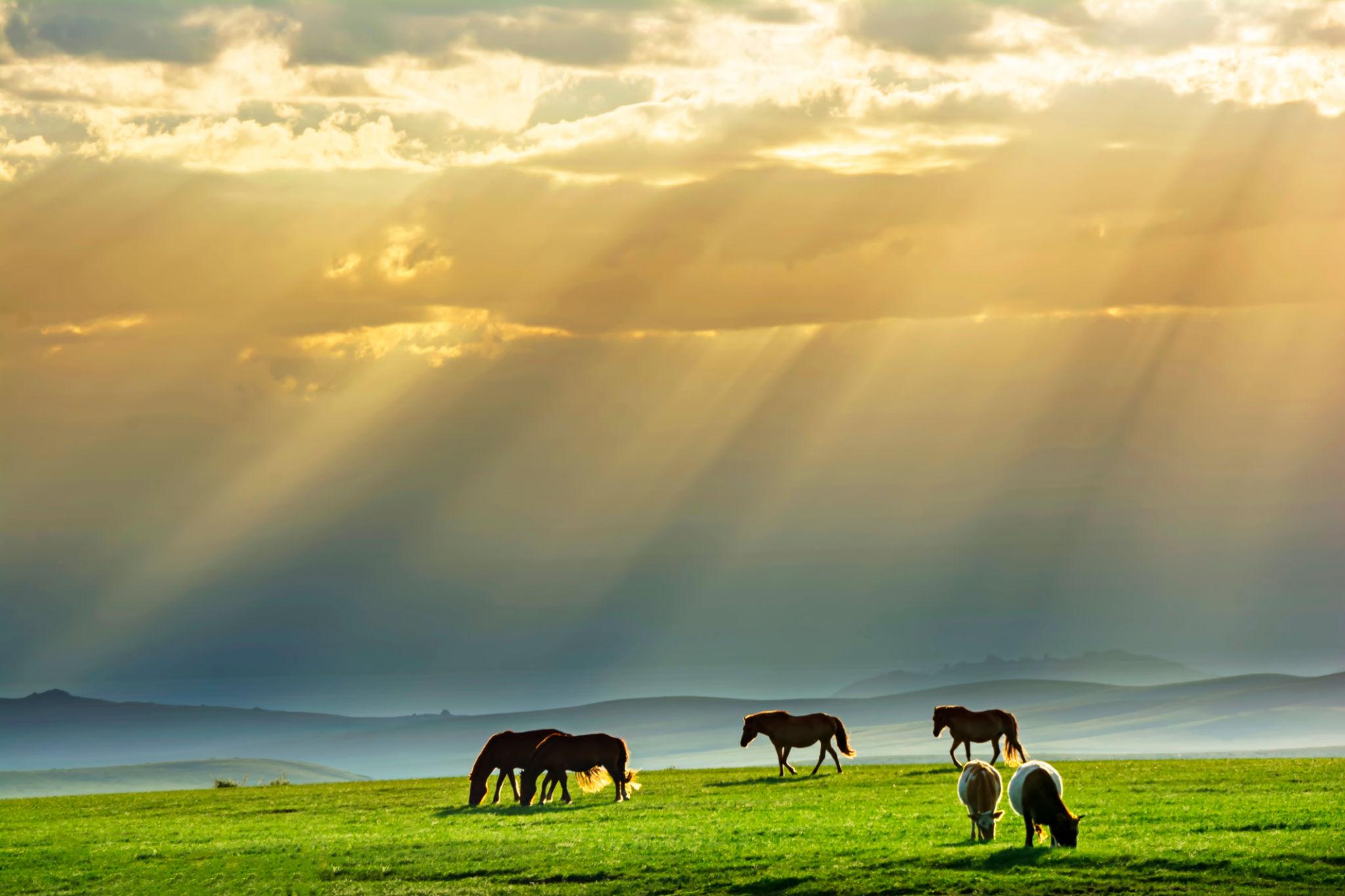
Mongolian culture is warm toward children — local families will often play with your kids without any common language needed, nomadic children are curious and friendly, and there is simply a lot of space. No crowds, no traffic, no fences. Room to run, explore, and be in nature without restriction.
That said, Mongolia with kids requires some thought. Here is what actually matters.
What Age Makes Sense
This is a personal decision — every child is different. But practically speaking, children who can spend time outdoors comfortably, eat what's in front of them without too much negotiation, and handle a degree of uncertainty tend to do very well here.
For horse riding independently, around six years old and up is a reasonable starting point, assuming the child is comfortable around animals and physically coordinated. Younger children can ride with an experienced adult — sharing a horse with a guide is a completely normal arrangement and works well for children who want the experience without the full responsibility of managing an animal.
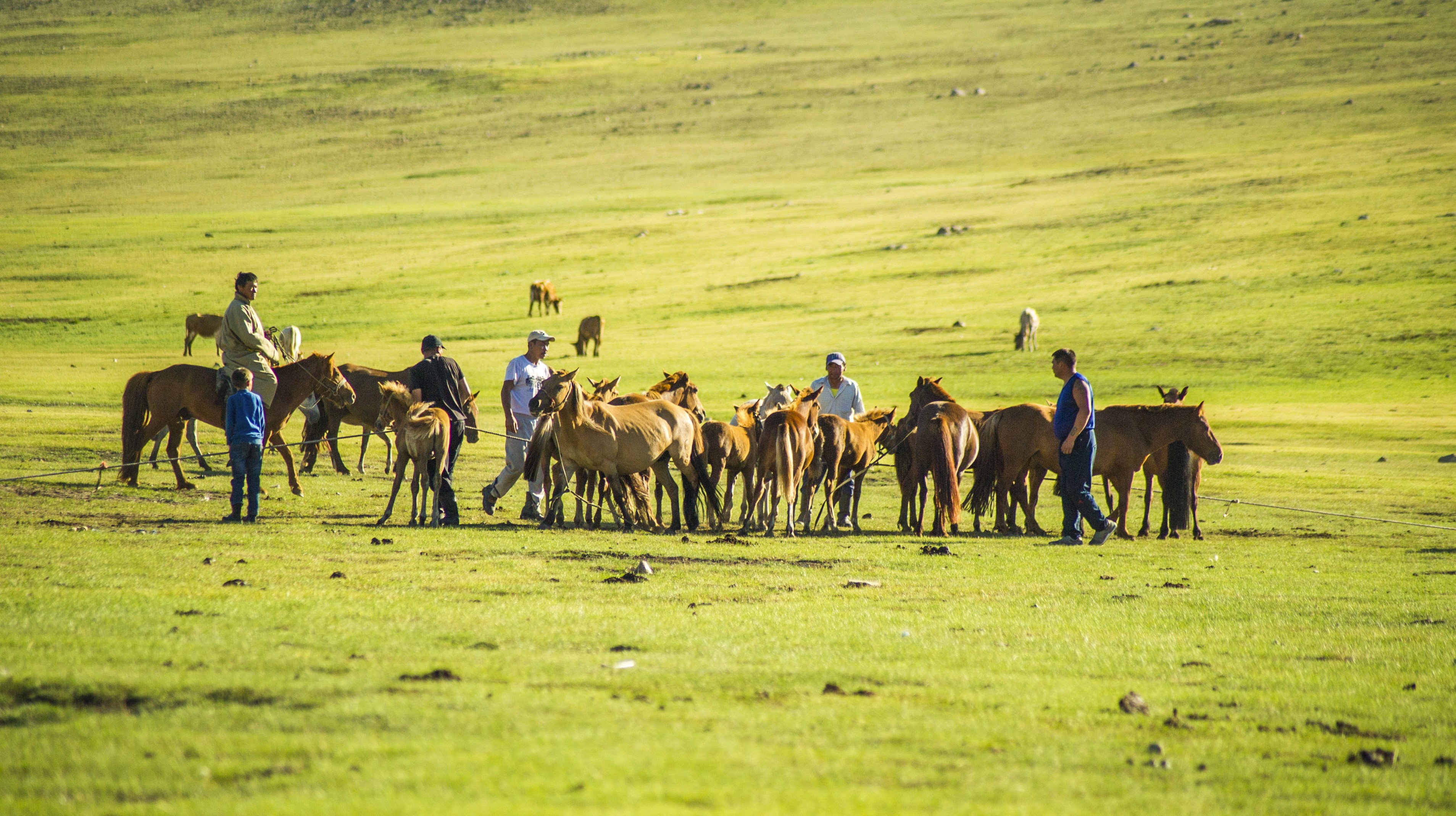
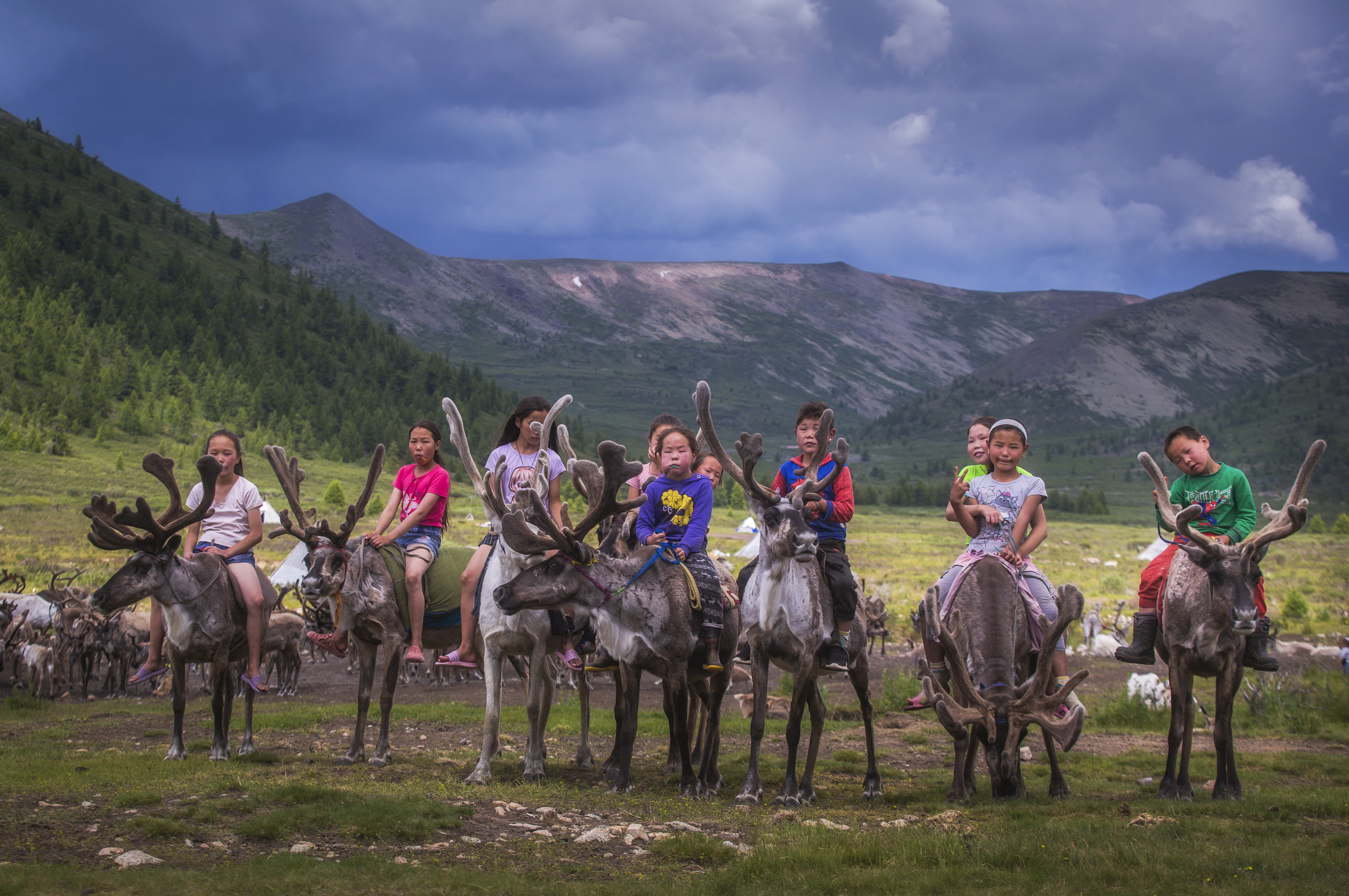
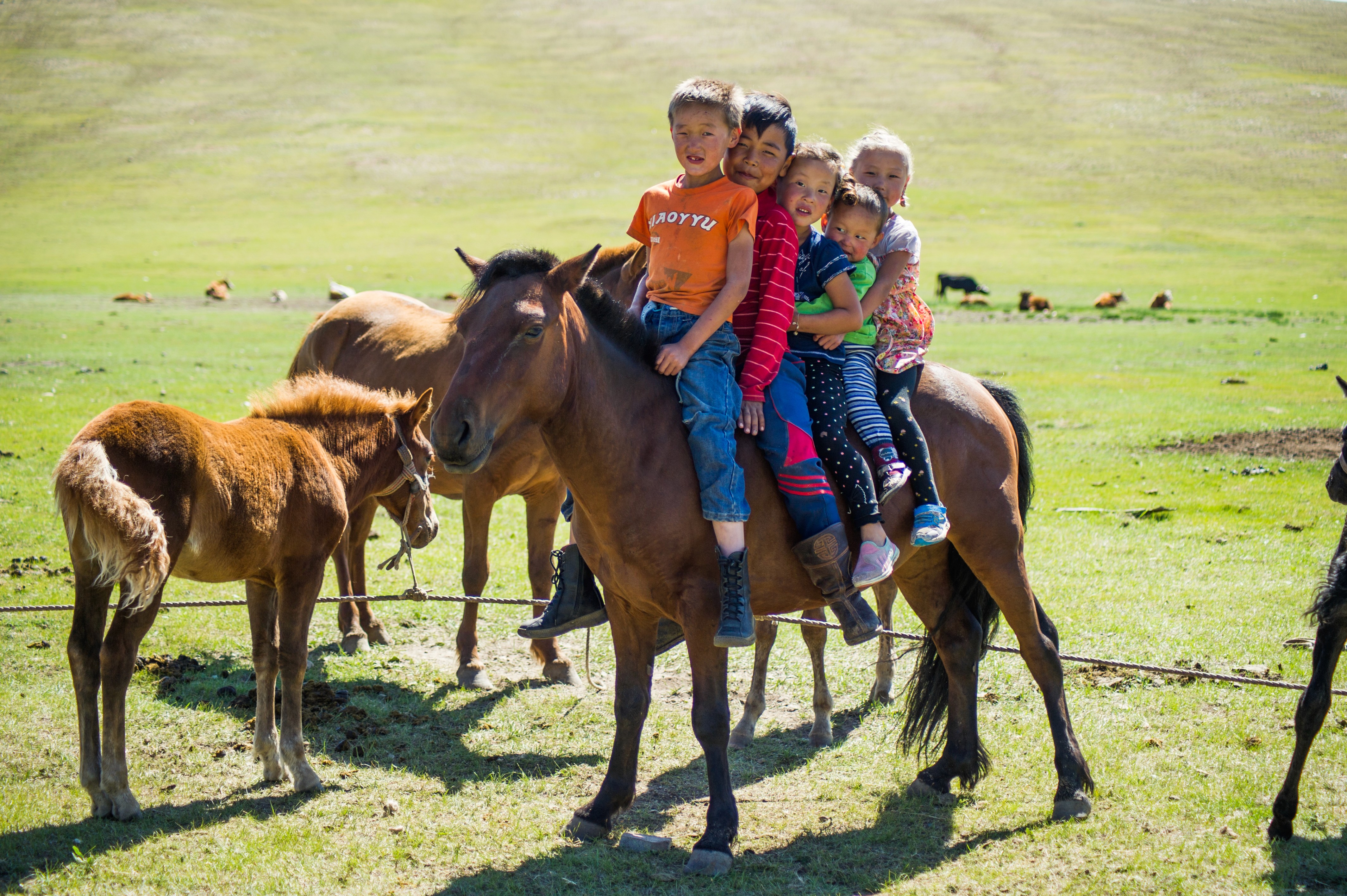
Mongolian children in the countryside learn to ride from around three or four years old. They race competitively from six. The horses here are not unknown to children.
What Kids Actually Love
In my experience, children respond most to the animals.
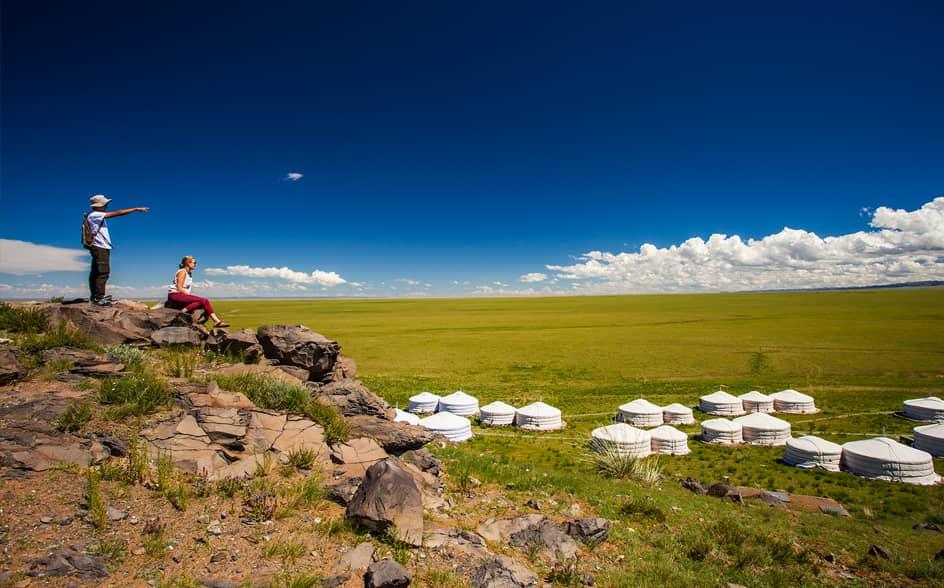
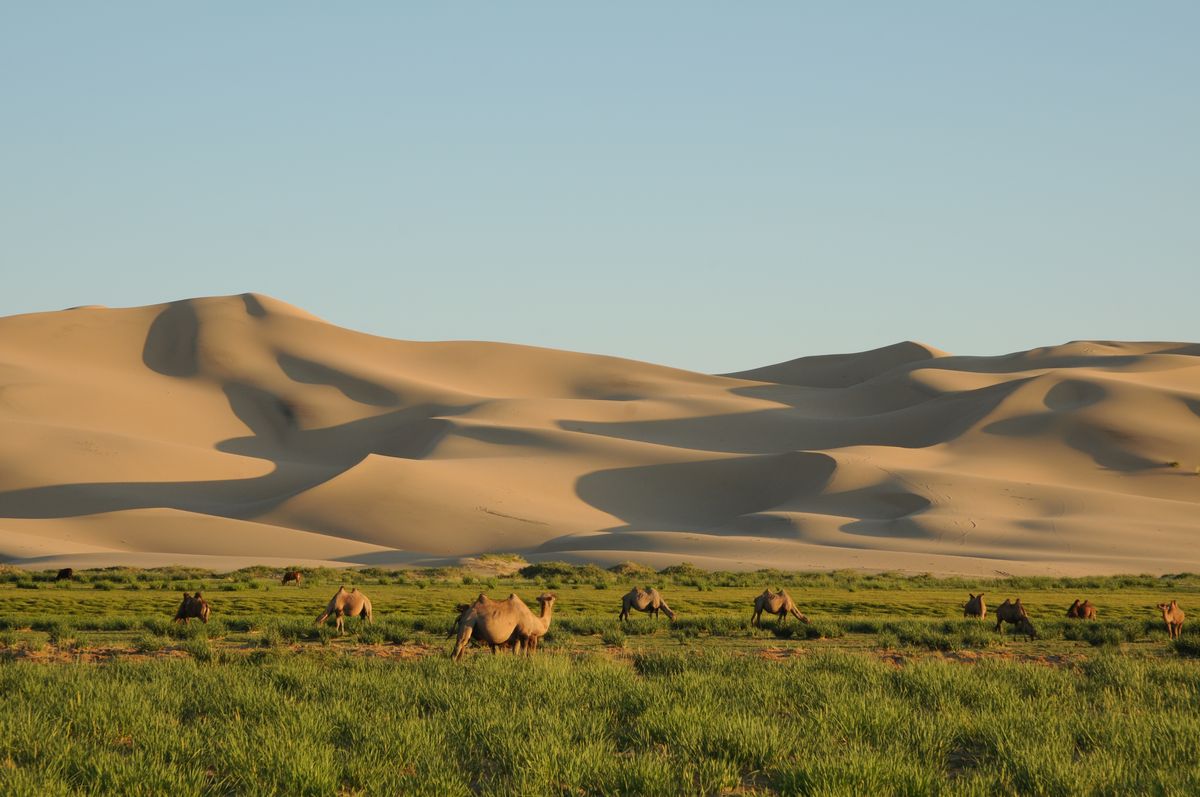
Not the landscape — though that comes later. First, it's the animals. Walking into a nomadic family's camp and finding horses, sheep, goats, camels, and dogs living freely around the ger is something that children find immediately fascinating. They want to touch, feed, and follow. Nomadic families are patient with this. They are used to animals and children in the same space.
Beyond the animals: riding horses across open ground, helping with small tasks around the camp, playing with nomadic children who communicate entirely through action and laughter, sleeping under stars they have never seen that clearly before. These are the things that stay with them.
What Parents Worry About
The most common concern I hear from parents involves the animals — that the horses or other livestock will be unpredictable or dangerous.
It is worth saying clearly: Mongolian horses are working animals used to being around people, including children. They are not tame pets, but they are handled daily and are familiar with human presence. With proper guidance and a competent guide who knows the animals, the risk is manageable and no greater than it would be on any reputable riding experience anywhere.
The real variables are the same ones that apply to any remote travel: weather, distance from medical facilities, and the physical demands of the journey. These are addressed through planning, not worry.
How to Structure a Family Trip
The most important principle: fewer locations, more time in each place.
Long driving days are hard on children. Moving camp every day is tiring for everyone. The trips that work best for families are the ones that settle into two or three locations and stay long enough to actually feel at home — to develop a rhythm, explore the surroundings, build small relationships with the people nearby.
Short distances, multiple nights in each place, flexibility in the daily schedule. This is the structure that works. Not an ambitious itinerary covering the whole country, but a deliberate choice to go somewhere specific and stay long enough to actually be there.
A Note on Food
Mongolian food in the countryside is simple and meat-based. Some children adapt immediately. Others need time. Bringing familiar snacks from home is practical and sensible — not a concession, just preparation.
The Thing Most Parents Don't Expect
The thing I have watched happen repeatedly with children in Mongolia is that the disconnection — from screens, from schedules, from the familiar — happens faster for them than it does for their parents.
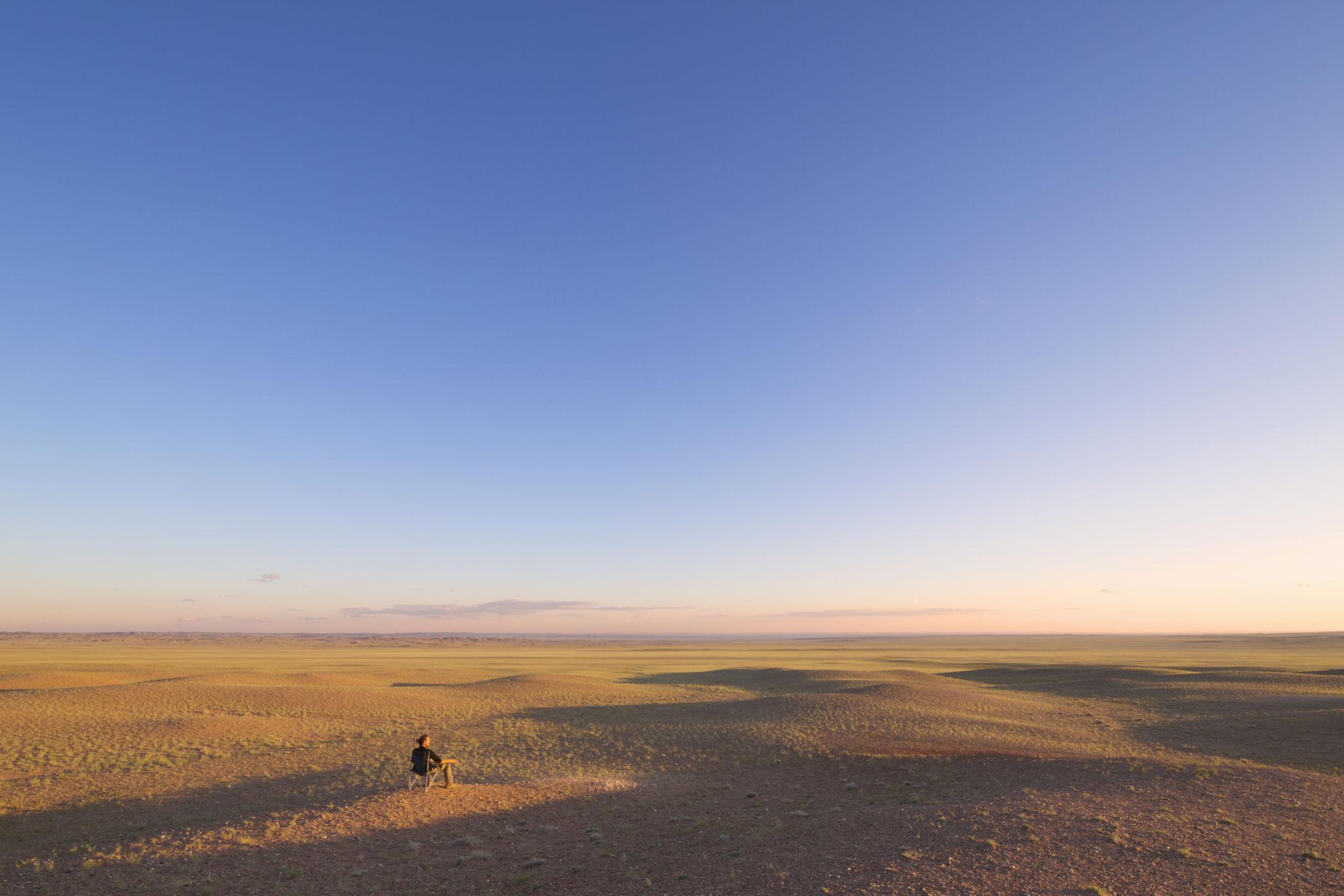
Within a day or two, most children stop asking about the things they left at home and start paying attention to what's in front of them. The steppe rewards curiosity. There is always something moving, always something to investigate, always a nomadic child nearby who wants to play a game whose rules don't require a shared language.
Mongolia is not a difficult place to bring children. It is a remarkable one.