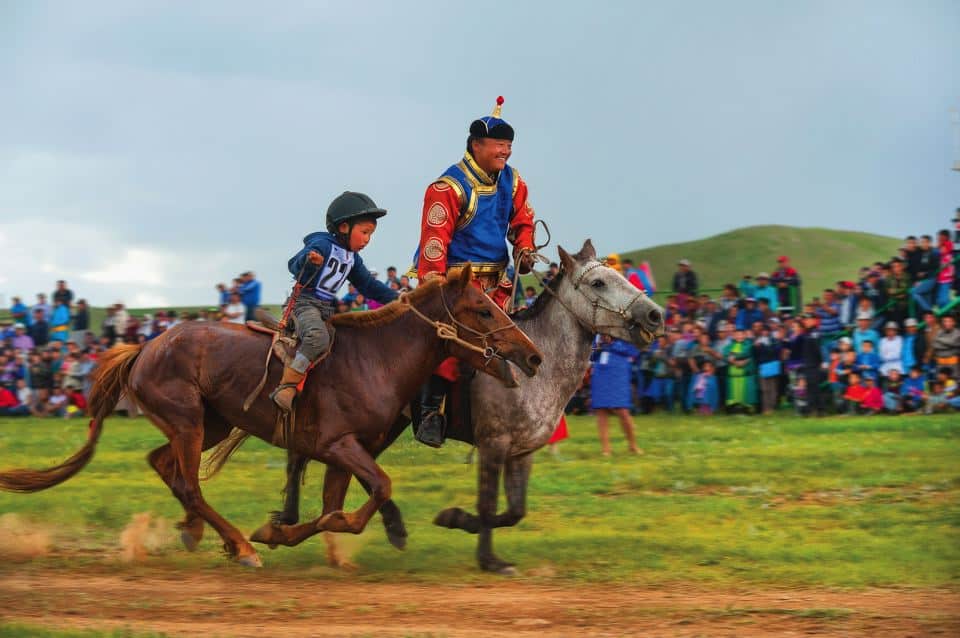
Not a trail ride. Not a lesson. Something older than both.
Introduction
Mongolian horses are not what most visitors expect.
They are small — standing between 12 and 14 hands, noticeably shorter than the horses most people have encountered in riding schools or on trail rides elsewhere. First-time visitors sometimes wonder, looking at them, whether the horse will actually be able to carry an adult across serious terrain.
Within the first hour, that question disappears entirely.
The Horse Itself
The Mongolian horse is one of the oldest and least altered breeds in the world. Genetic studies suggest the modern Mongolian horse traces back around 3,000 years, and historical descriptions from the 13th century — including accounts from Genghis Khan's campaigns — describe animals almost identical to what you find on the steppe today. The breed has survived not through refinement but through endurance.
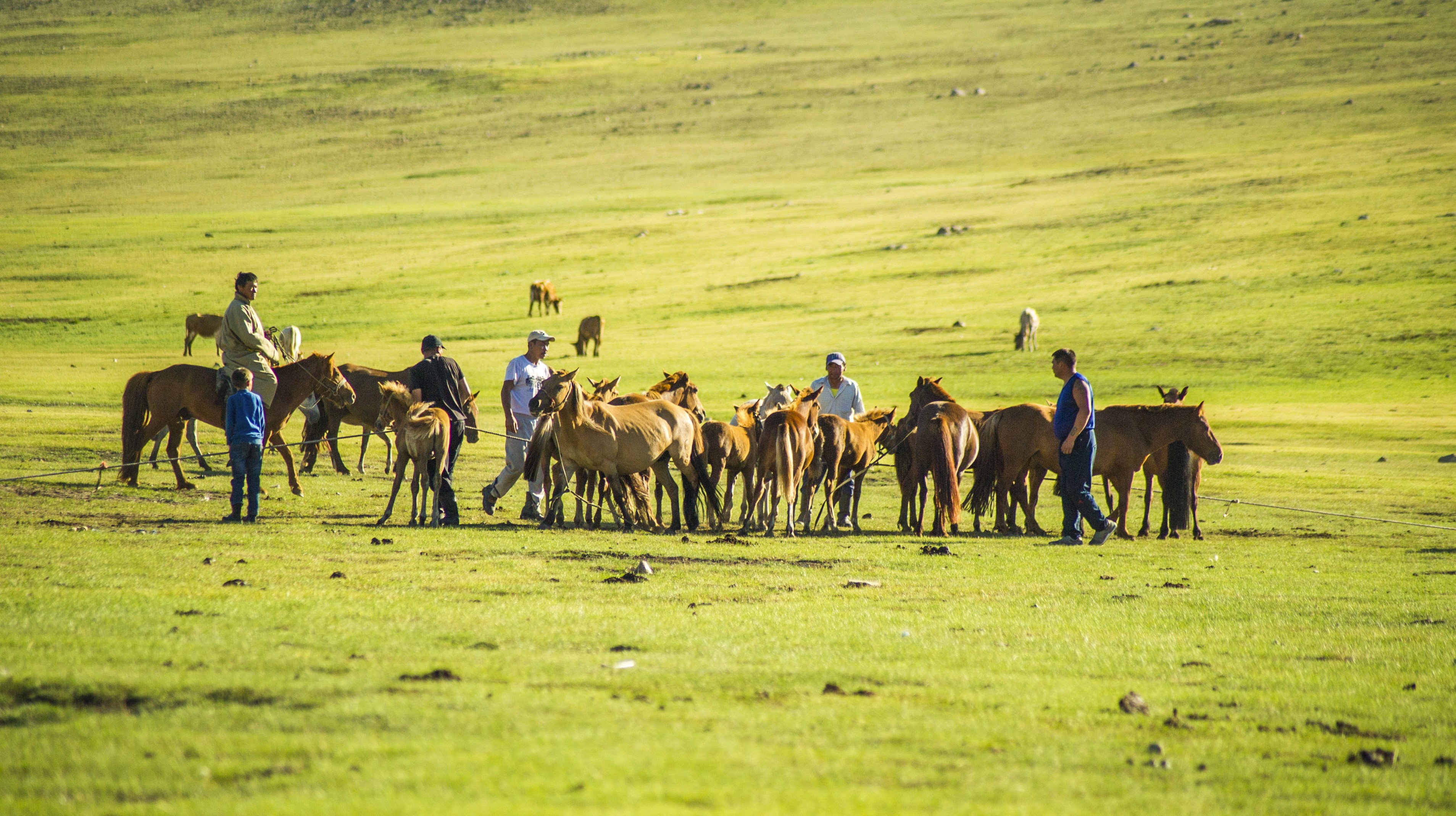
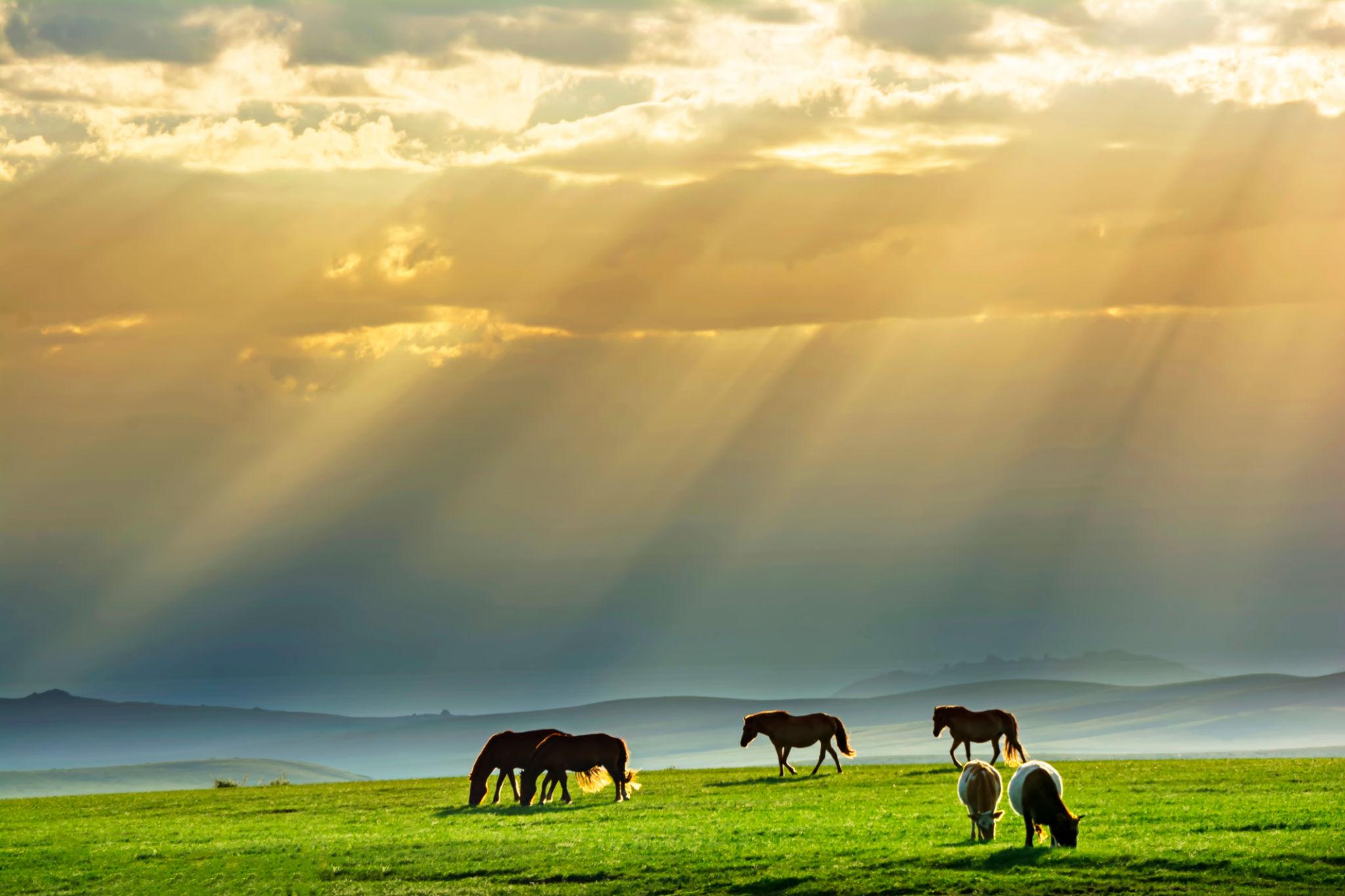
What makes them different from horses bred in the West is this: they are semi-feral animals that live in herds year-round, foraging through steppe grass and surviving winters that reach -40°C without shelter or supplemental feed. The result is an animal that is compact, powerful, sure-footed, and extraordinarily tough.
They are not delicate. They are not high-strung. They are animals that have been shaped by one of the harshest environments on earth, and it shows.
What Riding One Actually Feels Like
Mongolian horses are generally calm under a rider. They are handled from a young age, used daily by nomadic families, and familiar with the terrain they work in. For most first-time riders, the experience is more manageable than they anticipated.
That said, they are not push-button animals. They have opinions. They move differently from horses trained in Western or English styles — shorter stride, different rhythm, and a responsiveness to their environment that can surprise people who are used to arena riding. They notice things. A movement in the grass, a change in the wind. This is not unpredictability — it is awareness, and it settles once both horse and rider find a rhythm together.
One thing worth knowing: approach from the left. Mongolian horses are mounted from the left side, and approaching from the right is genuinely disorienting for an animal that has been handled one way its whole life. This is a small thing, but it matters.
The Day After
Nobody warns first-time riders about this adequately, so here it is directly: after a full day in the saddle, your legs will feel the next morning as if you spent the day doing weighted squats and lunges at a gym. The inner thighs and hips in particular. It is not injury — it is simply muscles that don't get used that way in daily life being asked to work for several hours.
It passes within a day or two. And by the third day of riding, it stops happening at all. The body adapts quickly.
This is worth knowing in advance so it doesn't come as a surprise. It is not a reason to limit your riding — it is simply part of the experience of doing something physically real.
How Long and How Far
There is no fixed answer. You ride as long as you want to.
Some days that means a few hours across open steppe, stopping to rest beside a river. Some days it means a full day in the saddle covering real ground between camps. The pace is set by the group, the terrain, and what the day calls for — not by a schedule.
This flexibility is part of what makes riding in Mongolia different from organized trail riding elsewhere. You are not following a fixed route between two points at a fixed speed. You are moving through landscape on an animal that knows it, at whatever pace makes sense.
For People Who Have Never Ridden
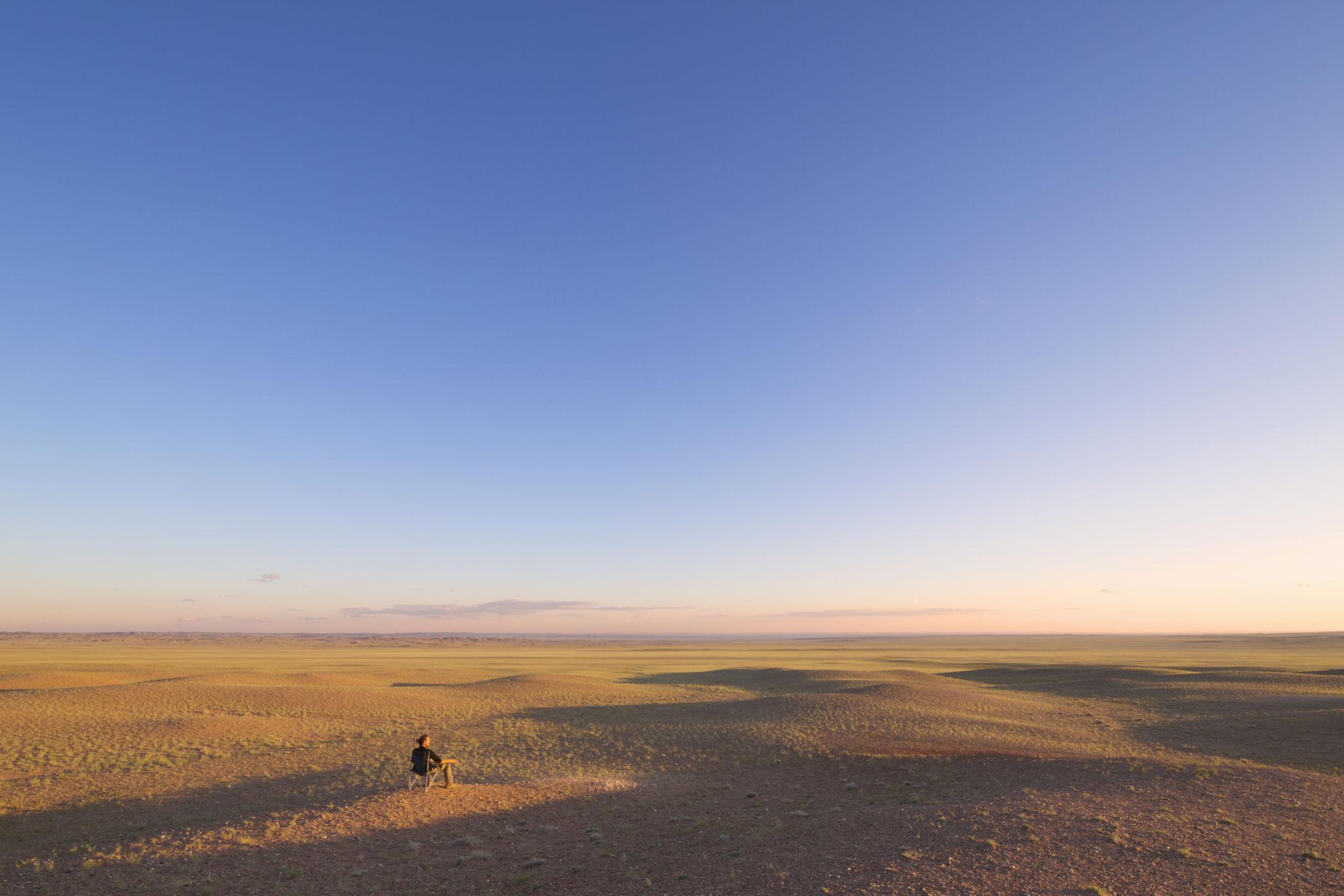
Mongolia is not a bad place to learn. The horses are forgiving, the terrain is open, and there is no traffic, no fencing, and no confined space to navigate. The steppe gives a first-time rider room to find their footing without consequence.
For those who want the experience but aren't ready for full independent riding, riding alongside an experienced guide — on a lead or simply alongside — is entirely normal and works well. There is no shame in it. Half the value is being on the animal and in the landscape. How you get there is secondary.
One Last Thing
According to Mongolia's 2025 national livestock census, the country has 5.4 million horses — among a total national herd of 58.1 million animals across all five species. Horses outnumber the entire human population of Mongolia nearly twice over. Horses are not a tourist attraction here. They are part of daily life, part of the culture, part of the history.
When you ride in Mongolia, you are not doing an activity. You are participating in something that has been central to this place for thousands of years. That difference is felt, even if it is hard to put into words.