The honest answer from someone who has traveled Mongolia in every season.
Introduction
People ask this question a lot. And the honest answer is that both months are good — genuinely good, not in a polite way. But the question itself is a little narrow. Mongolia is worth visiting from May through October, and for the right kind of traveler, even winter has something that no other season offers.
Here is what each part of the year actually looks like.
June — The Land Coming Alive
June is when Mongolia exhales after winter.
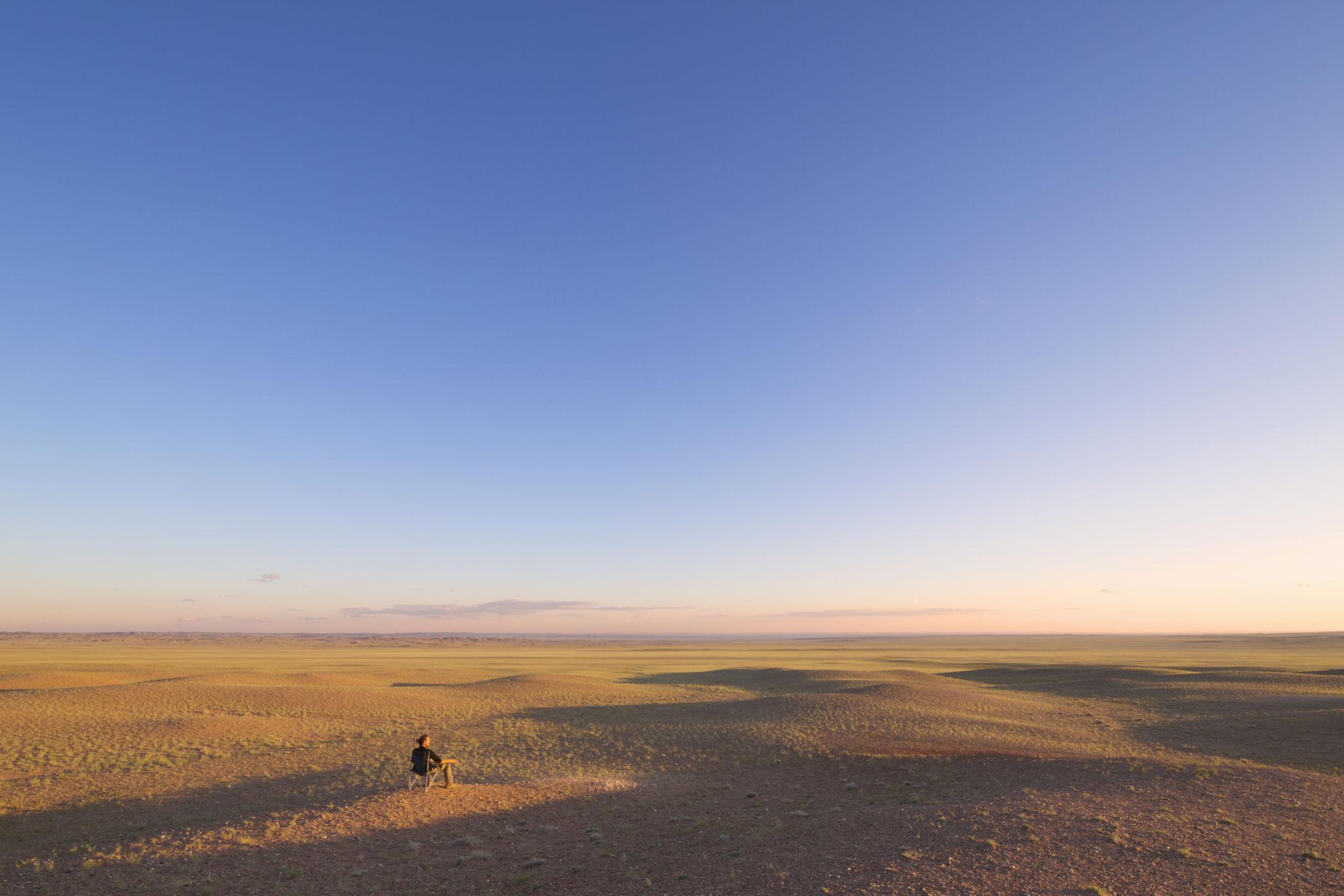
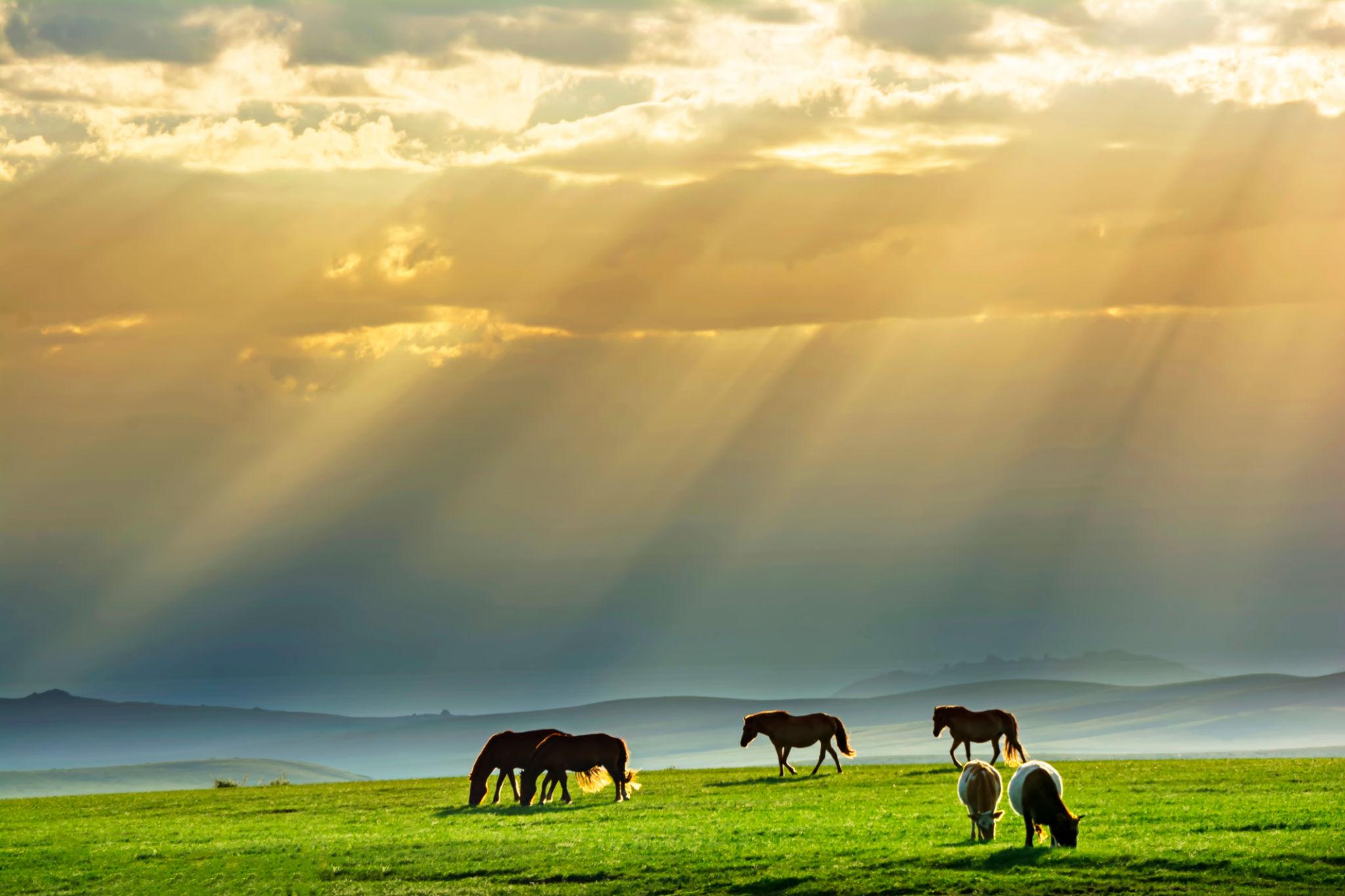
The steppe turns green. The air is clear and dry. Days are long — the sun rises early and sets late, giving you more usable daylight than almost anywhere else at this latitude. Temperatures during the day are warm and comfortable, ranging from around +15°C to +28°C depending on the region, with cooler nights.
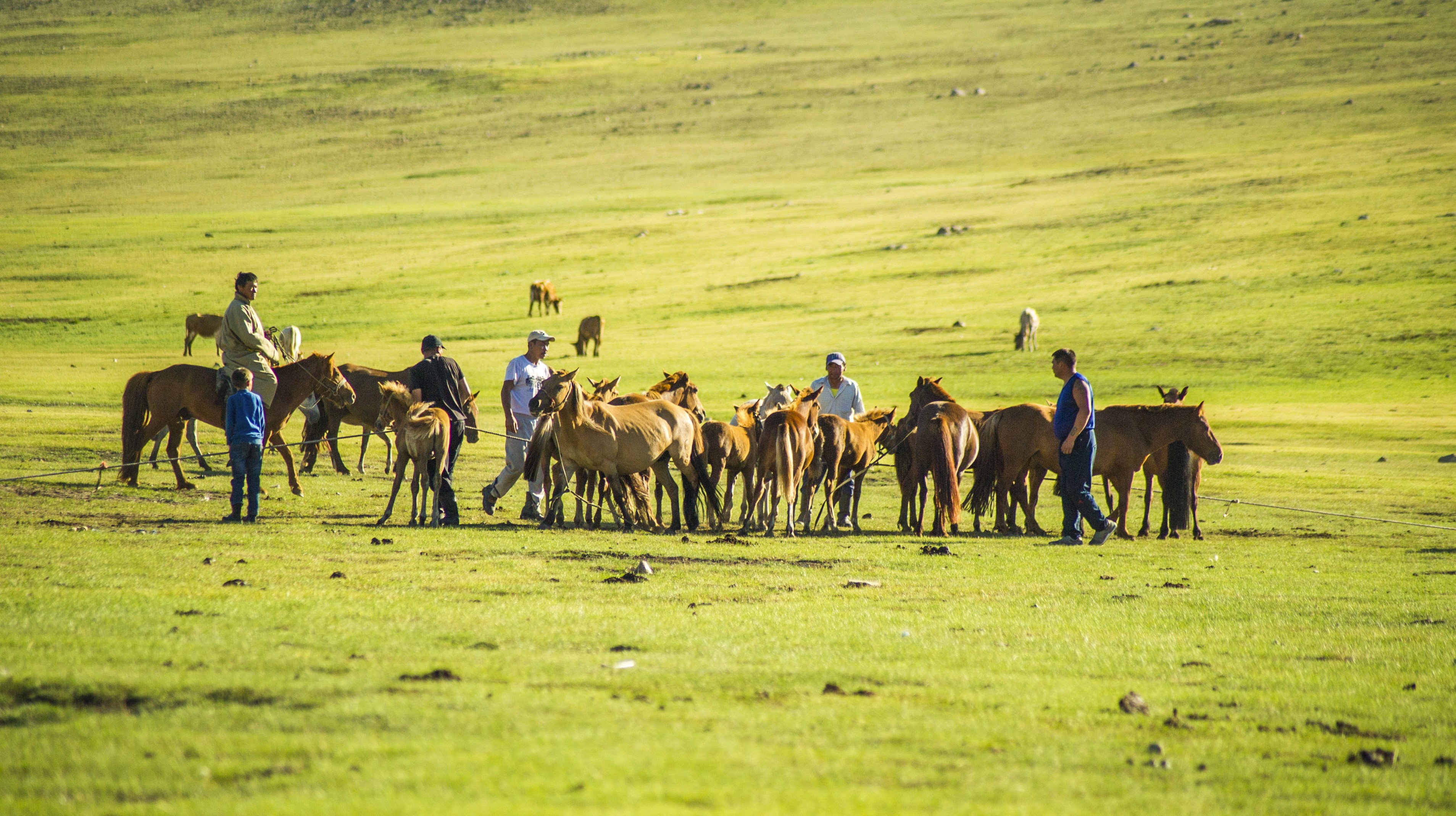
It is not yet peak tourist season. The countryside is quieter than July. Nomadic families are settled into their summer rhythms, their herds out on fresh pasture. Everything feels like it is opening.
For riding, for camping, for covering ground — June is one of the best months there is. The grass is high, the rivers are full, and the country is at its most visually alive.
If you want to catch a rural Naadam festival, the local ones run through the second half of July — so a trip that begins in late June and runs into July can include one without making it the entire point of the journey.
September — The Land Settling Down
September is quieter than summer in a way that goes beyond just fewer tourists.
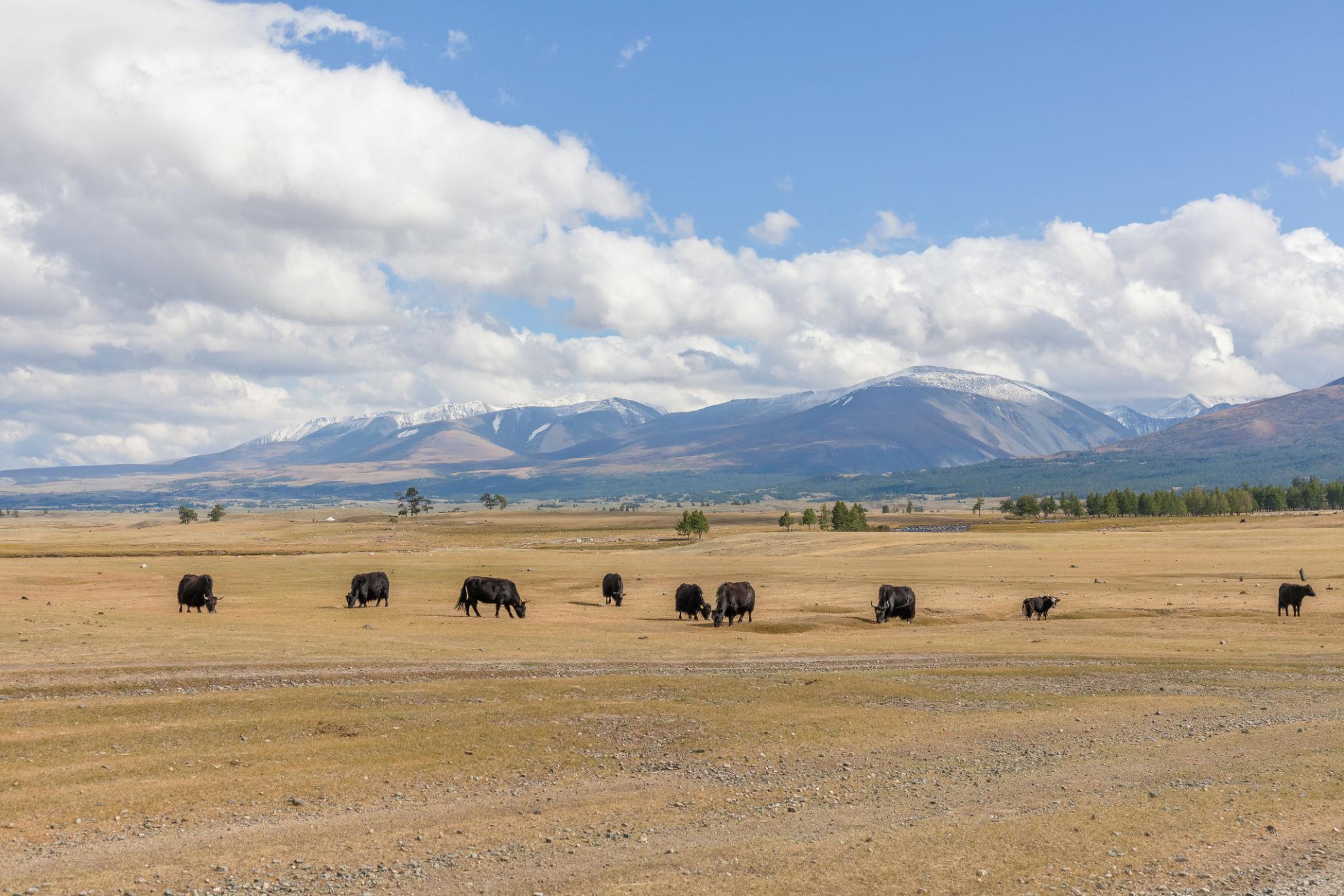
The steppe cools and begins to turn gold. The air sharpens. Days are still pleasant — temperatures typically range from around +8°C to +22°C — but mornings and evenings carry a real chill, and in the mountains and the taiga, the cold arrives earlier.
The countryside is at a different point in its year. Nomadic families are moving to their autumn camps, sending children back to school, cutting hay, and beginning the preparations that will carry them through winter. There is a purposefulness to everything. The land and the people on it are in a different rhythm than in summer — less open, more focused.
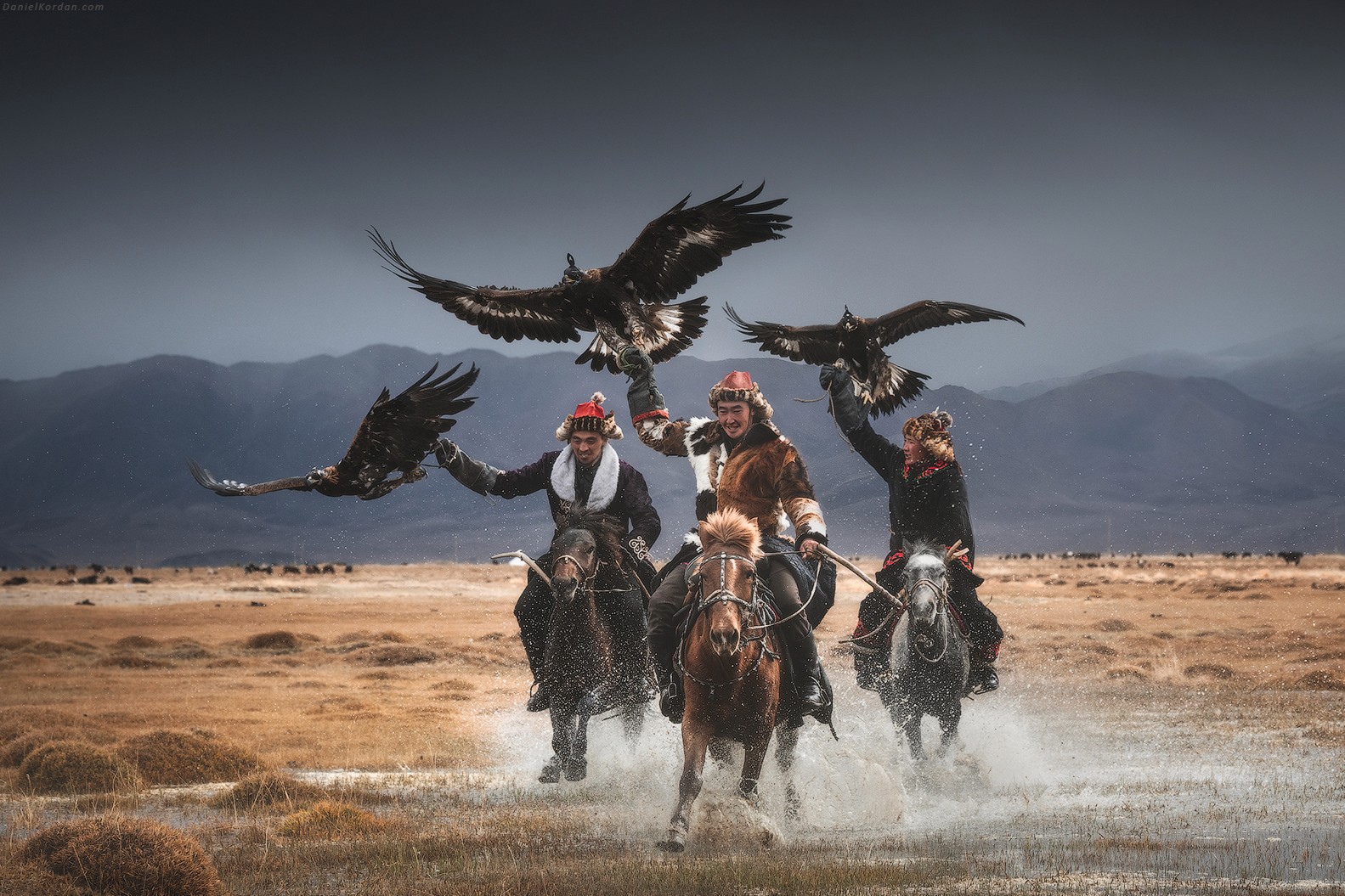
September is also when the Golden Eagle Festival takes place in Bayan-Ölgii in western Mongolia — one of the most remarkable things you can witness anywhere in the country. If seeing eagle hunters compete is part of why you're coming, September is your month.
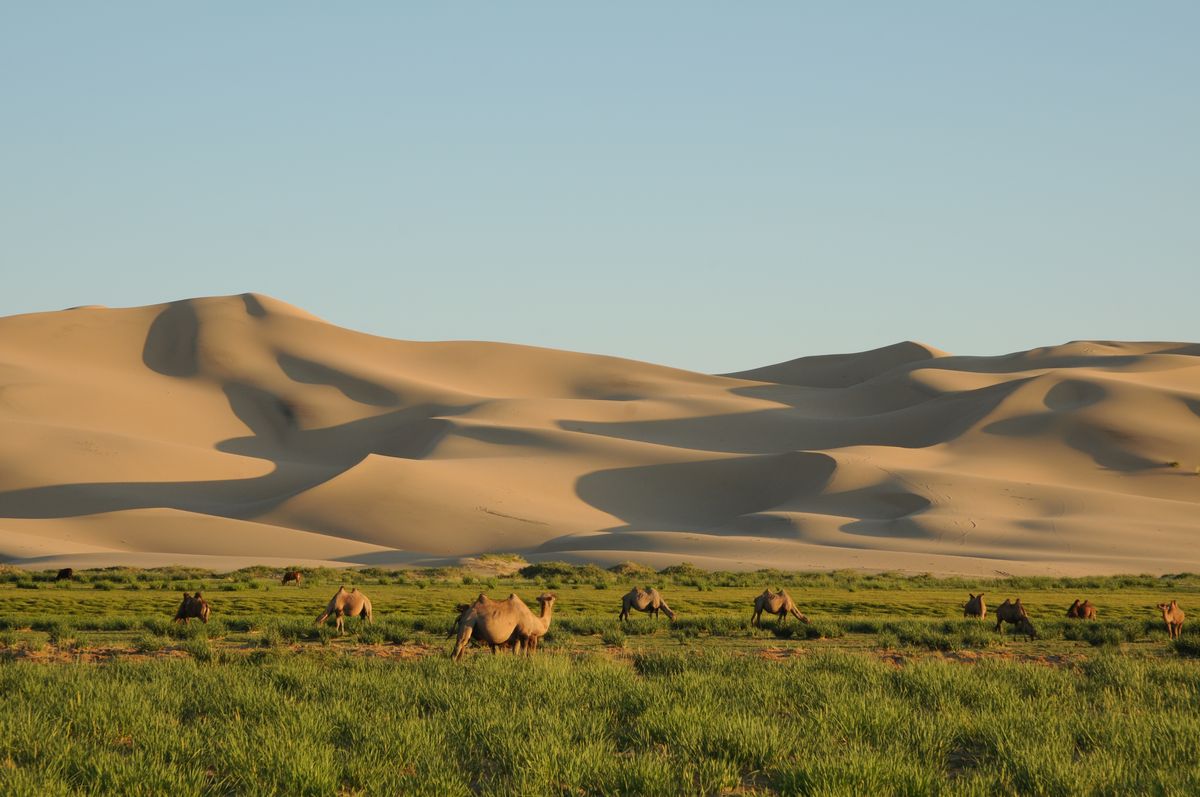
For the Gobi Desert, September is arguably the best time to visit. Summer temperatures in the desert reach 40°C or above — impressive, but not comfortable for long days of travel. By September, conditions are far more manageable. October in the Gobi is also worth considering — cooler and emptier, with the desert landscape at its most photogenic.
The Honest Comparison
Neither month is wrong. But they offer different things.
June is expansive — the country is opening, the days are long, the energy is outward. It is a good month for first-time visitors, for people who want warm days and maximum daylight, and for people who want the full summer experience of the steppe.
September is quieter and more inward. It is a good month for people who have been before and want a different experience, for people who prefer cooler weather and emptier landscapes, and for people drawn to specific events — the Eagle Festival, the Gobi in autumn.
For what it's worth, I've traveled Mongolia in every month of the year. My preference runs from May through October — each of those months has something the others don't. But I've never come back from a trip, in any season, thinking the timing was wrong.
Winter — More Than You'd Expect
Mongolia is actively developing winter tourism, and for good reason.
The winter calendar is fuller than most people realize:
• Tsagaan Sar — Mongolian Lunar New Year, January or February. A time of family gatherings, traditional food, and ceremony. One of the most genuine cultural experiences in the country.
• Eagle Festival — February, near Ulaanbaatar. A smaller version of the September festival in Bayan-Ölgii, held in winter conditions.
• Thousand Camel Festival — March, Gobi Desert. Exactly what it sounds like.
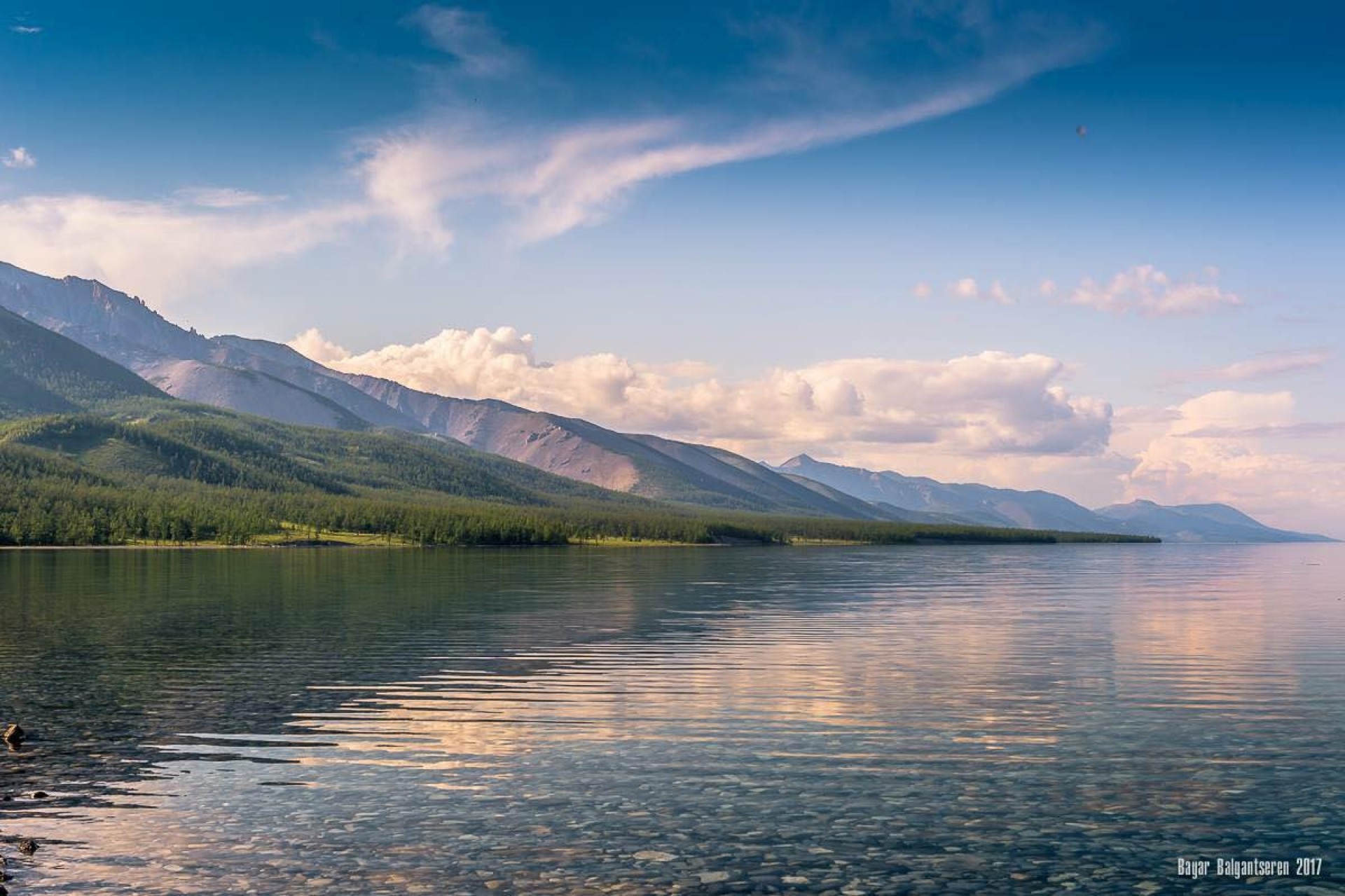
• Khövsgöl Ice Festival — March, northern Mongolia. Ice sculpture, winter sports, and the frozen surface of one of the world's great lakes.
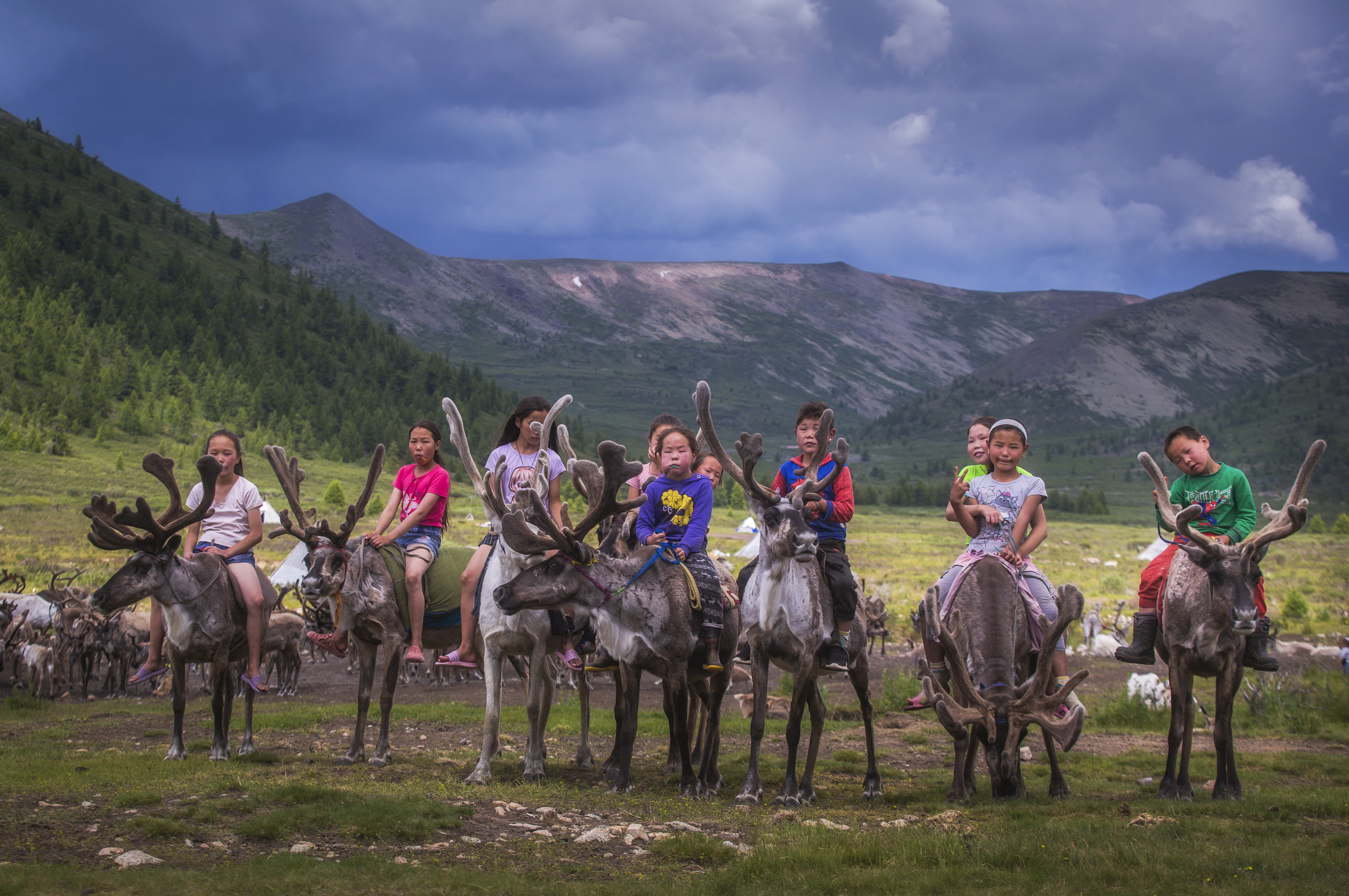
And for those drawn to the Taiga — visiting the Tsaatan in November or December, when the forest is under snow and the reindeer are in their winter coats, is a completely different experience from the summer version. Some people come for exactly that. The cold is real, the distances are long, and the preparation required is serious. But what you find at the end of it is unlike anything the summer months offer.
A Note on What Changes Year to Year
One thing I've noticed over fourteen years of traveling and guiding in Mongolia: the seasons are not as fixed as they used to be. Some Junes are dry and warm. Others are wet and cool. Some Septembers stay warm well into the month. Others turn cold early.
Mongolia's weather has always been variable. It is more so now. Whatever month you choose, pack for everything. The steppe will surprise you.