The honest answer is yes. Here is what that actually looks like.
Introduction
Most people, when they imagine working remotely, picture a café with good Wi-Fi. A co-working space. A hotel room with a desk.
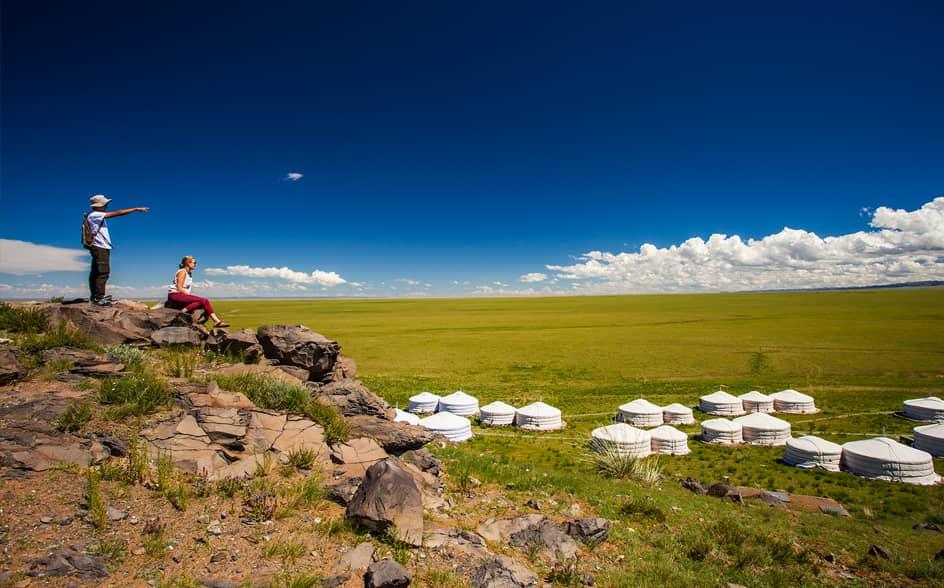
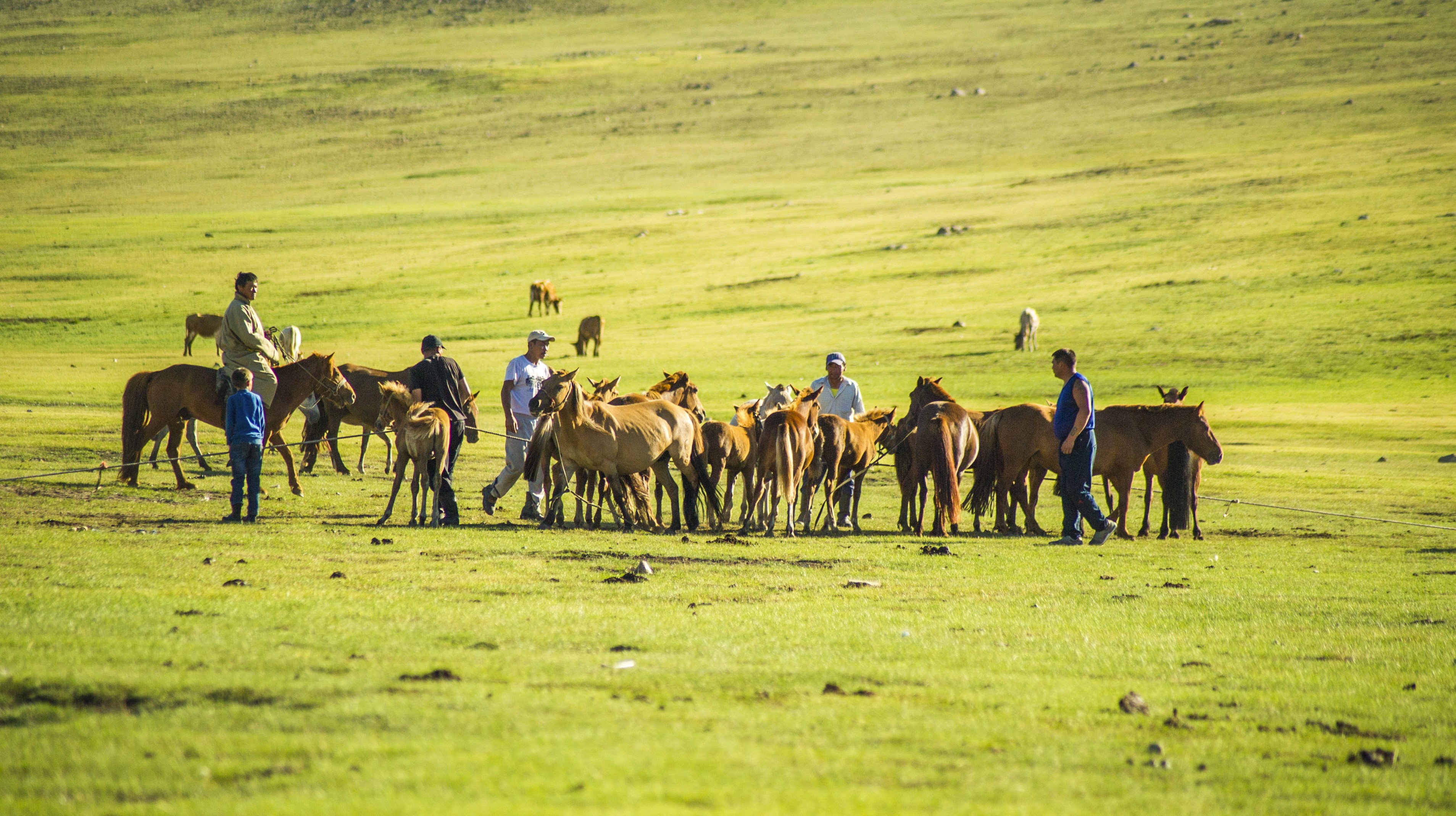
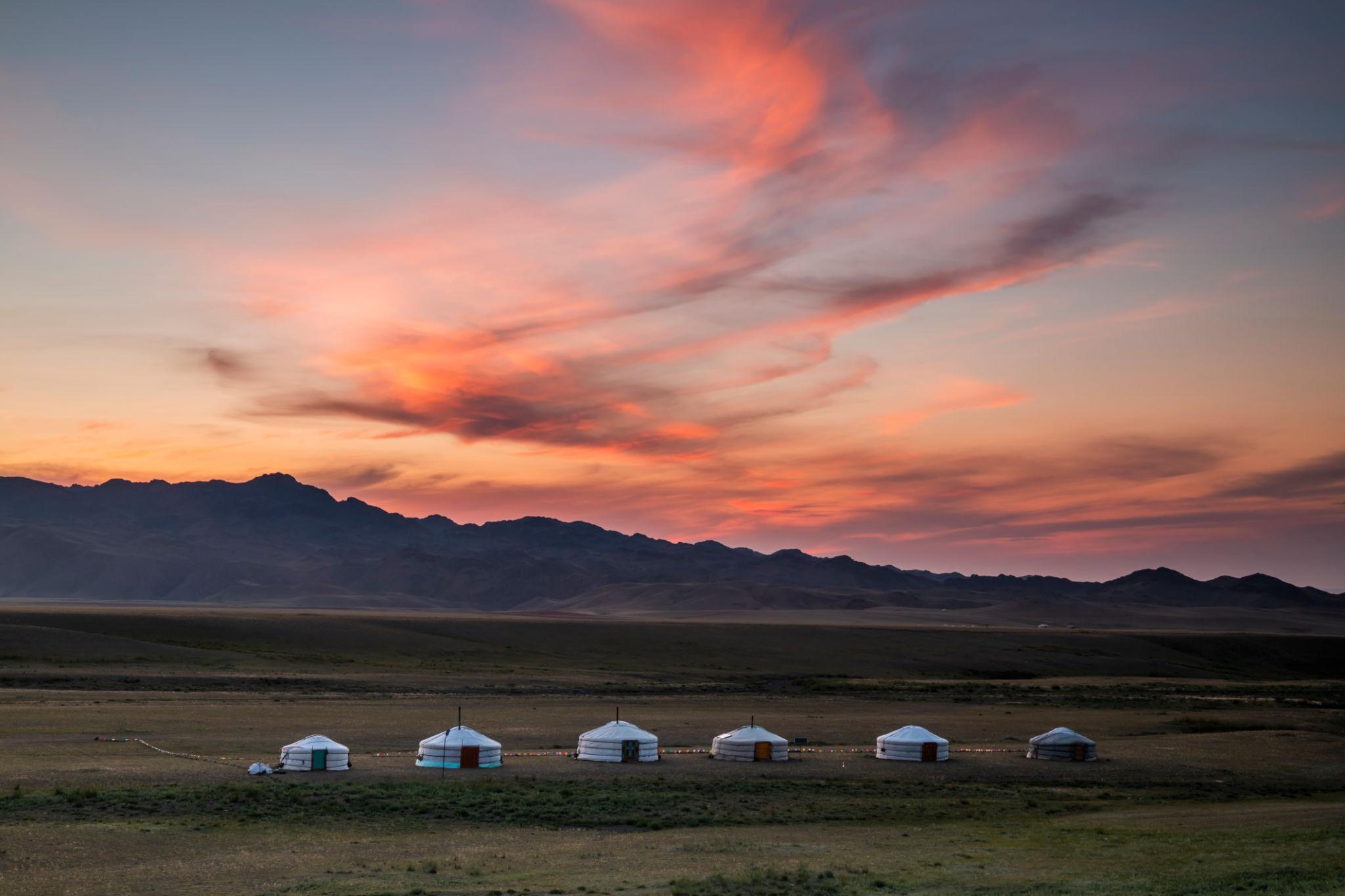
I work from the steppe. Have done for years — checking messages between rides, answering inquiries from a ger while the wind moves across the grass outside. It is not a bad office.
Not a ger on the open steppe, an hour's ride from the nearest town, with a horse tied outside and nothing between you and the horizon in any direction.
But that combination — real work, real connectivity, genuinely wild landscape — is now possible in Mongolia. And for the right kind of person, it might be the most productive environment they've ever worked in.
The Connectivity Question
Starlink operates across Mongolia, including nomadic and remote regions where no mobile signal has ever reached.
We travel with Starlink on our Work from the Steppe expeditions. It works. In the open landscape of the Mongolian countryside, with clear sky in every direction and no physical obstructions, satellite connectivity is reliable in a way that surprises people who are used to struggling with rural internet elsewhere.
This isn't a guarantee of perfect conditions every day. Weather affects satellite connectivity everywhere. But in general terms: if you need to join a call, send files, or stay connected with a team during working hours, the steppe is now a viable place to do that.
What the Day Actually Looks Like
The structure of a working day on the steppe is different from anything most people have experienced, and that difference is the point.
Morning is cool and quiet. You work while the light is low and the air is still. No notifications competing with anything interesting, because everything interesting is right outside. Focus comes easily when the alternative to your screen is a landscape that goes to the horizon.
By midday, you stop. Not because you have to — because there is something worth doing outside, and you came here to do it. You ride, or walk, or simply sit somewhere and let the scale of the place exist around you for a while.
Late afternoon, you work again if you need to. Evenings are for the camp, the food, the people around the fire.
This rhythm — deep work in the morning, genuine rest in the middle of the day, return to work in the afternoon — is not something most people are able to maintain at home. The steppe enforces it. The environment simply doesn't support the kind of low-grade distraction that drains a normal working day.
Who This Is For
Not everyone. That is worth saying clearly.
This is not for people who need a second monitor and an ergonomic chair to function. It is not for people who require twelve hours of availability or back-to-back video calls across multiple time zones. It is not for people who find discomfort distracting rather than clarifying.
It is for people who do their best work when they have genuine separation from their normal environment. People who want to take a real break without fully disconnecting. People who are curious whether the clarity that travel sometimes produces — the sense of perspective that comes from being somewhere genuinely different — can be sustained over more than a weekend.
It is also, practically speaking, for people whose work can be done asynchronously for a portion of the day. Writers, designers, developers, consultants, researchers — work where the output matters more than the hours.
What Mongolia Adds That a Co-Working Space Doesn't
There is a version of remote work that is just your office, but somewhere warmer. You sit at a desk, you join the same calls, you look at the same screens — the only difference is that outside the window there is a beach instead of a parking lot.
This is not that.
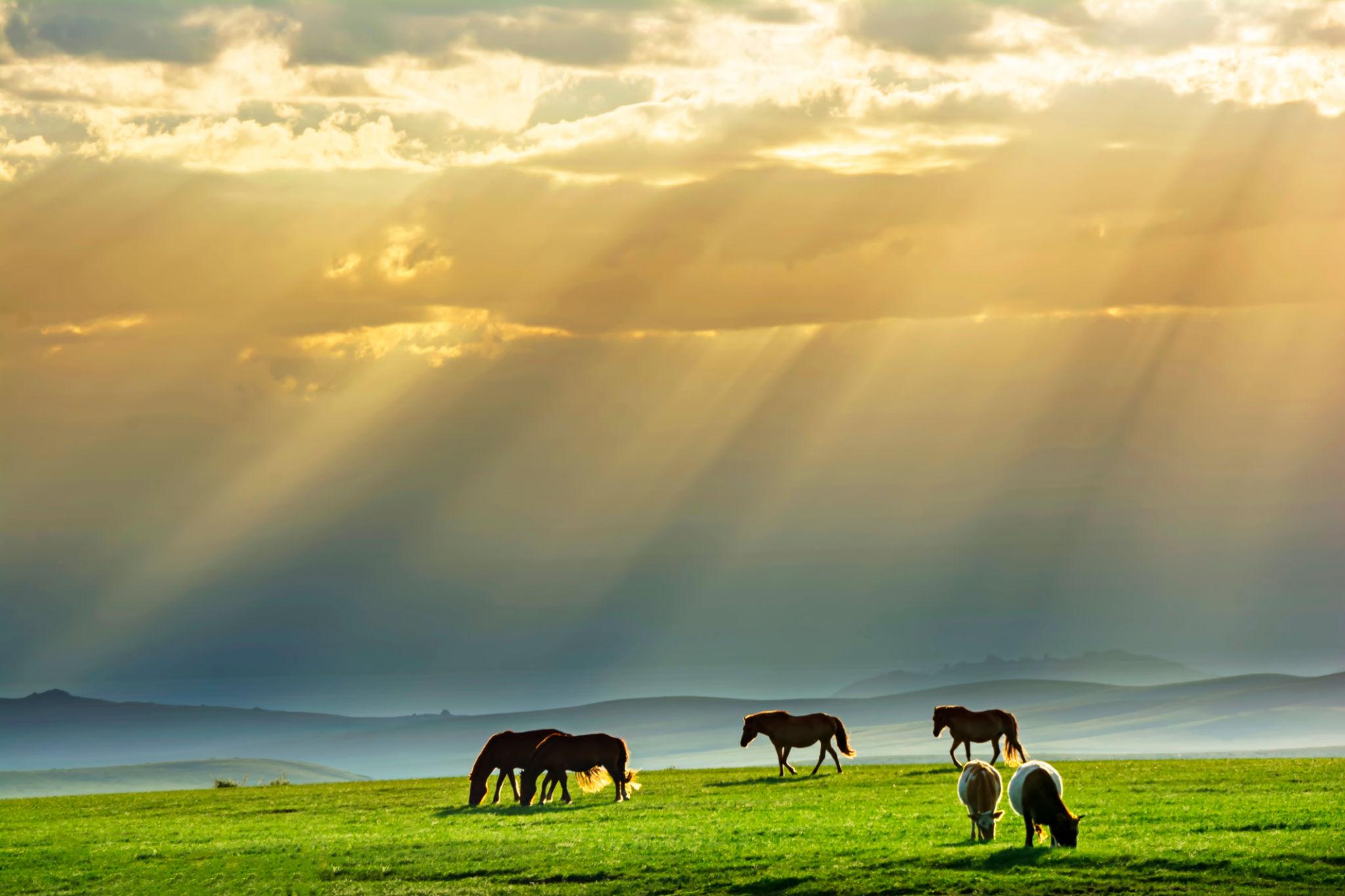
Mongolia's steppe is large enough and quiet enough to actually change the way you think. The absence of noise — real noise, not just office noise, but the continuous low-level stimulation that urban environments produce — creates a kind of mental space that is difficult to describe and easy to feel.
People who come here for a week typically report the same thing: they got more done in the mornings than they expected, and they rested in the afternoons more completely than they have in years. Both things happened because the environment supported them. The steppe doesn't reward distraction. There is nothing to be distracted by.
That is rarer than it sounds.
The Practical Details
• Connectivity: Starlink, carried on expedition. Reliable in open terrain.
• Duration: 8 days / 7 nights in central Mongolia
• Work hours: Morning and late afternoon. Midday is yours.
• Accommodation: Ger camp — warm, comfortable, genuinely Mongolian
• Location: Central Mongolia steppe, Orkhon Valley area
• Season: June through September
This is a new kind of journey. We are offering it because the technology now makes it possible and because the landscape has always made it worthwhile.
If you're thinking about it, get in touch. We'll tell you honestly whether it's right for you.