A remote mountain region of glaciers, eagle hunters, and some of the wildest landscapes in Mongolia.
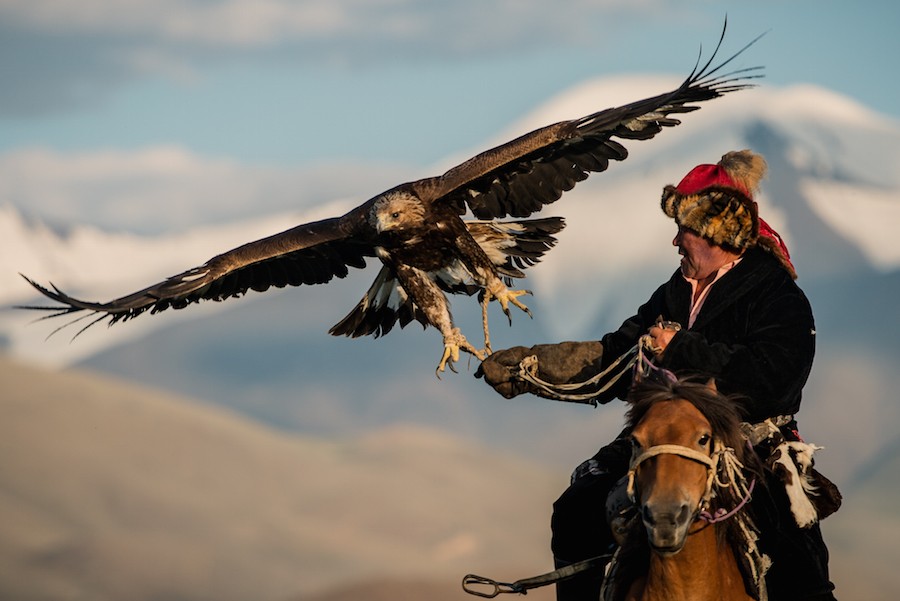
Western Mongolia is wild.
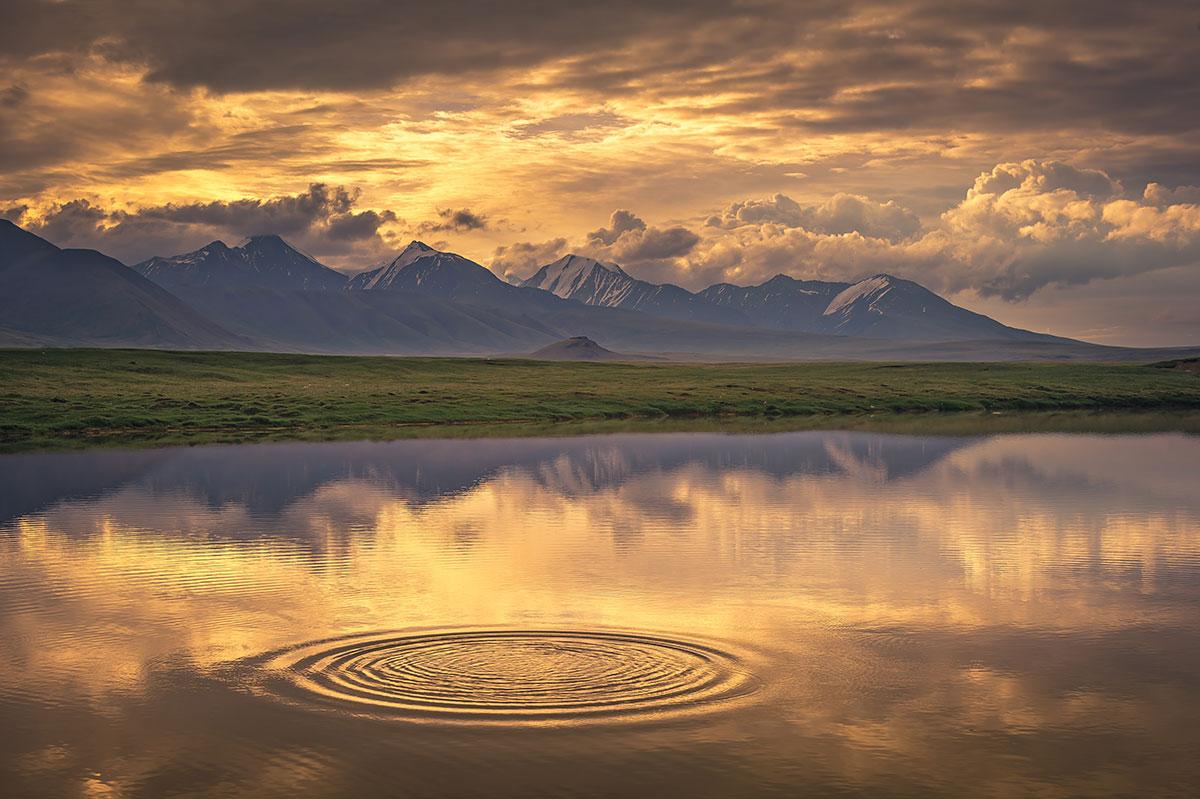
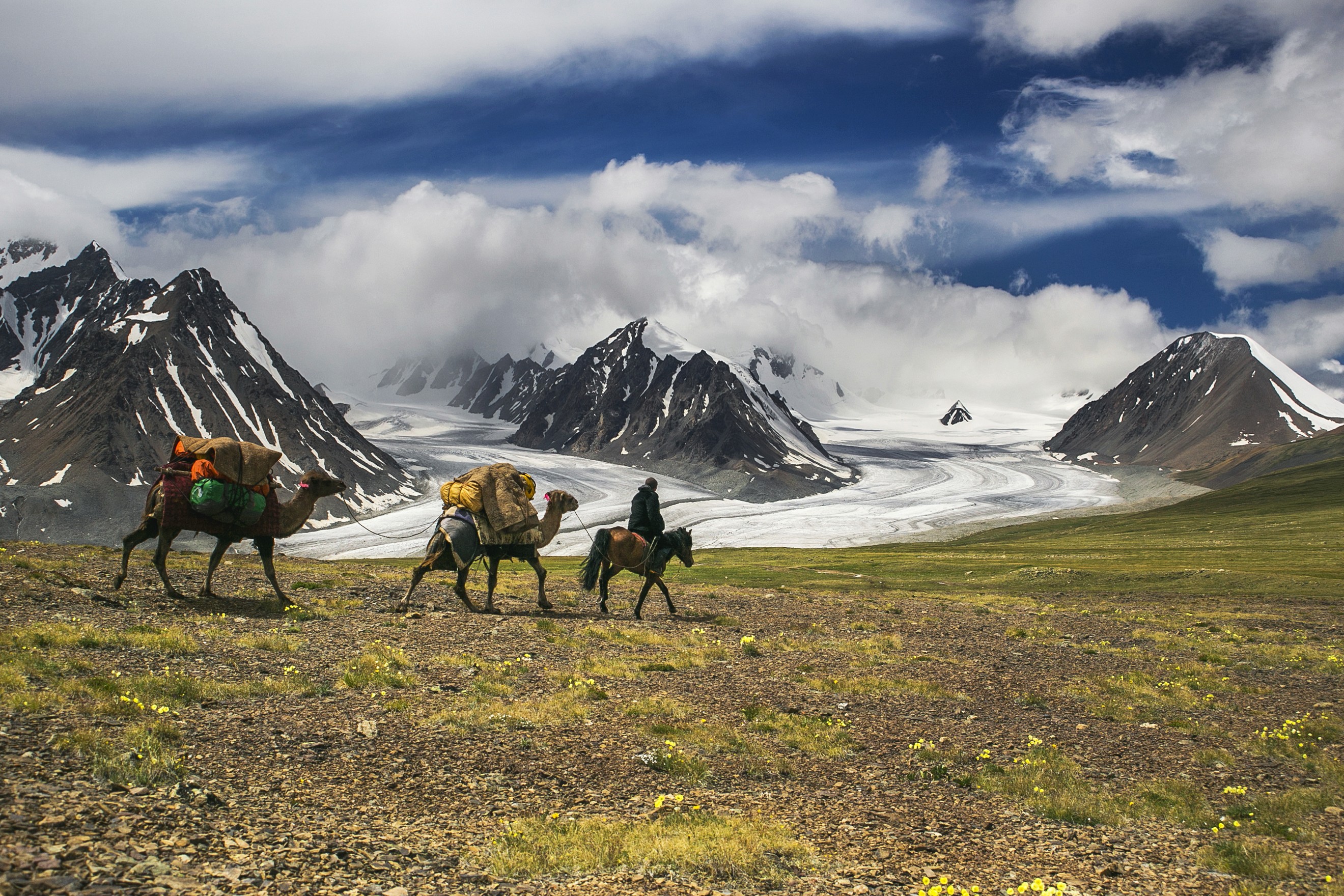
Mountains rise sharply from the land, glaciers move slowly through high valleys, and rivers cut deep into rugged terrain.
The environment is harsh, open, and largely untouched.
Travel here feels distant from modern life, with long distances and minimal infrastructure.
This is the most remote part of Mongolia, where nature dominates and human presence is limited.
Life continues in simple and practical ways, closely connected to the land.
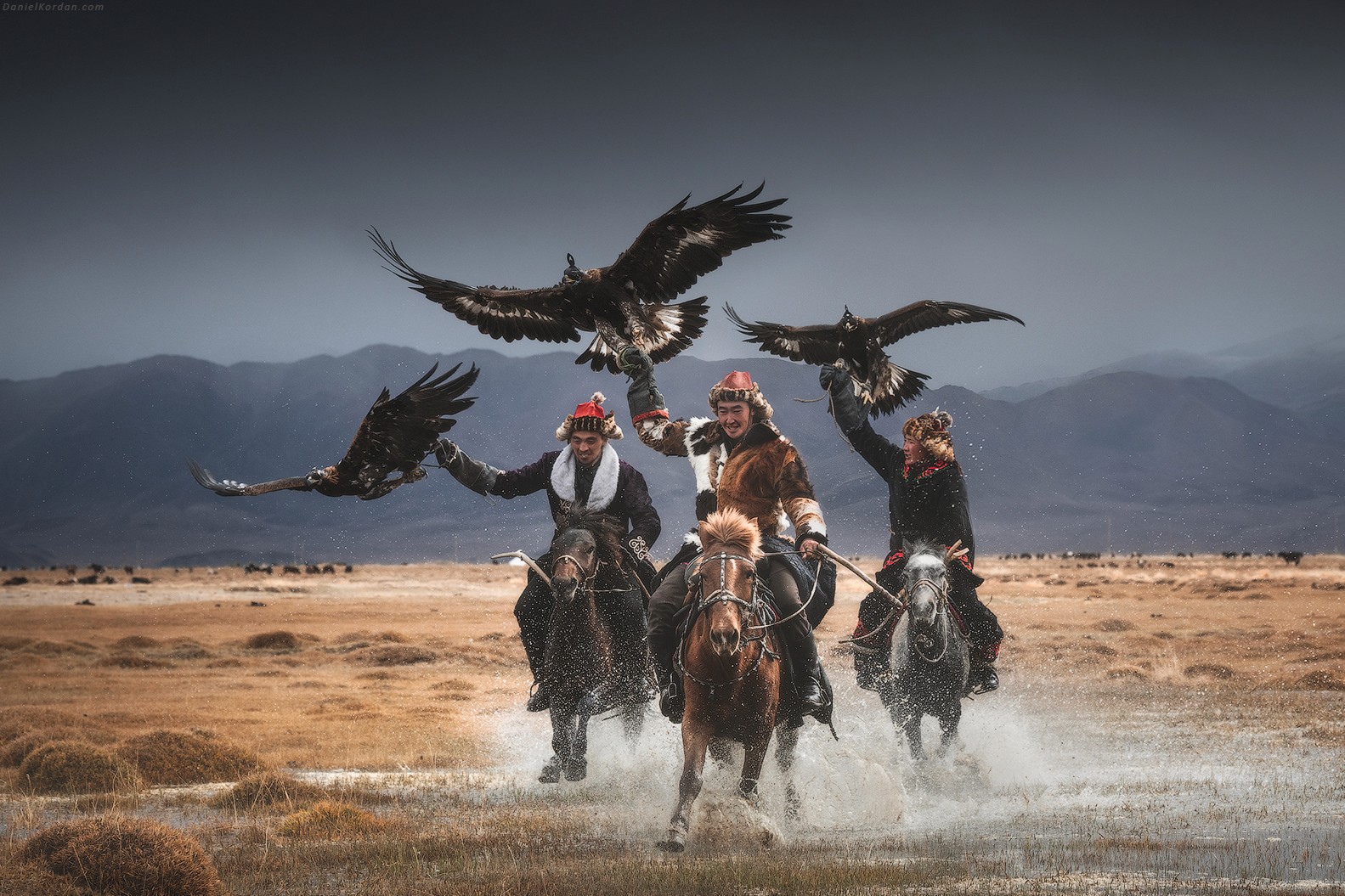
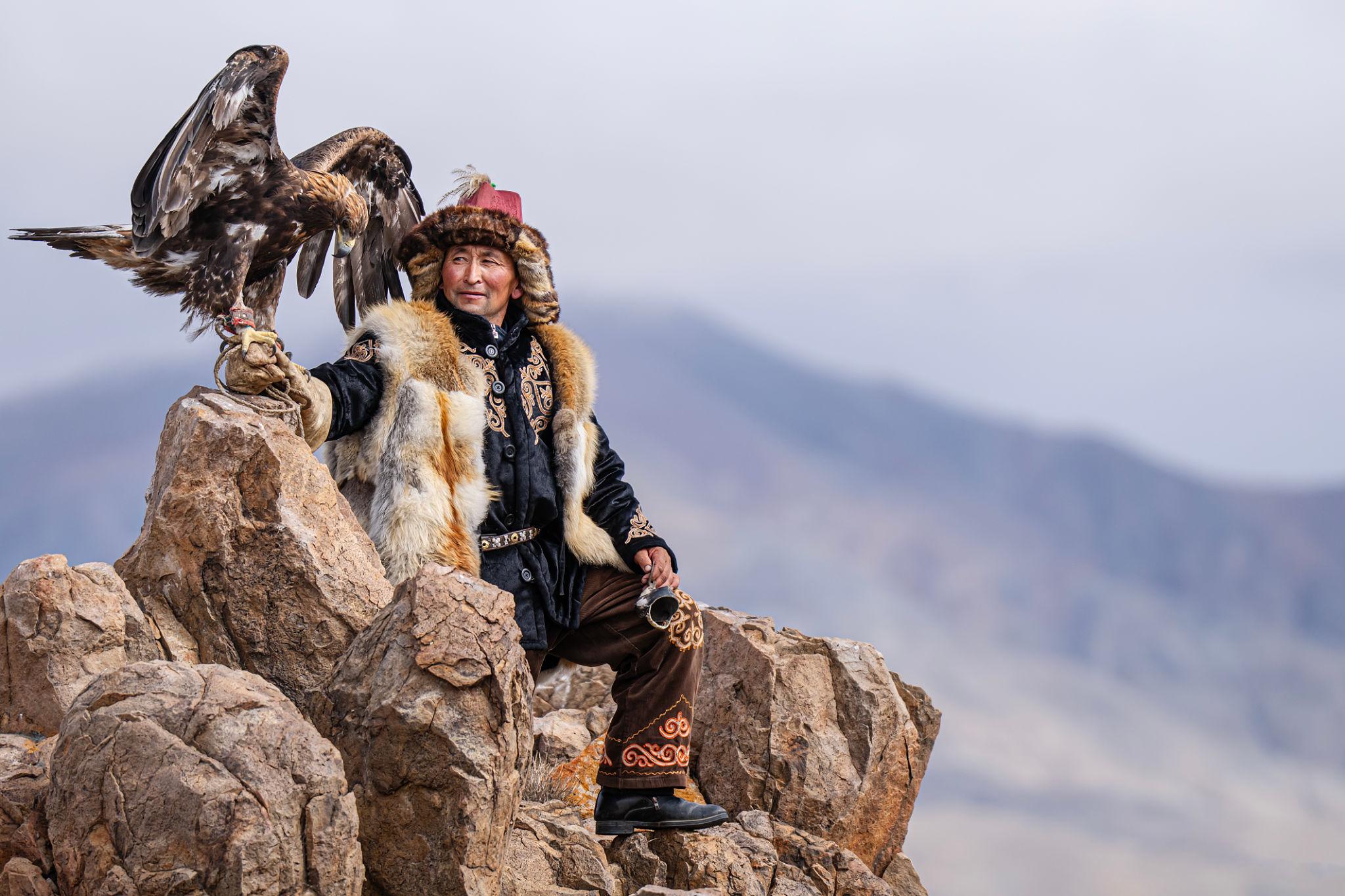
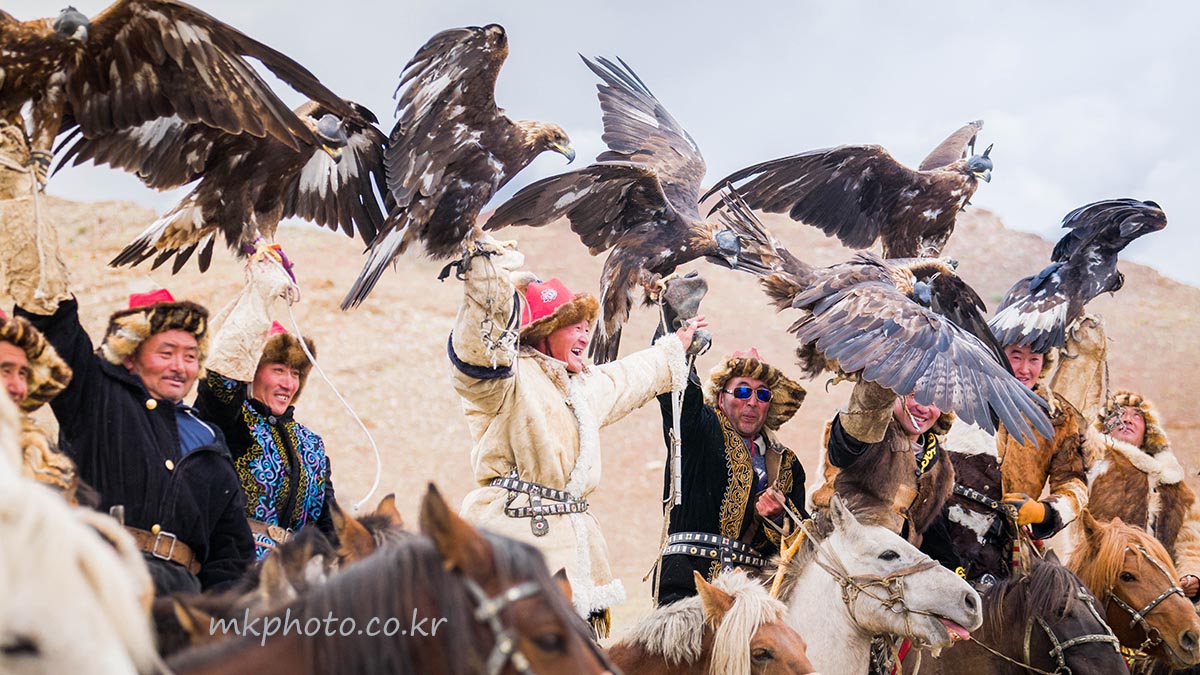
Kazakh families maintain traditions that have been passed down for generations, including hunting with golden eagles.
The region feels raw and powerful, shaped by altitude, weather, and isolation.
For those seeking real adventure and a deeper connection to nature, Western Mongolia offers one of the most authentic experiences in the country.
Western Mongolia


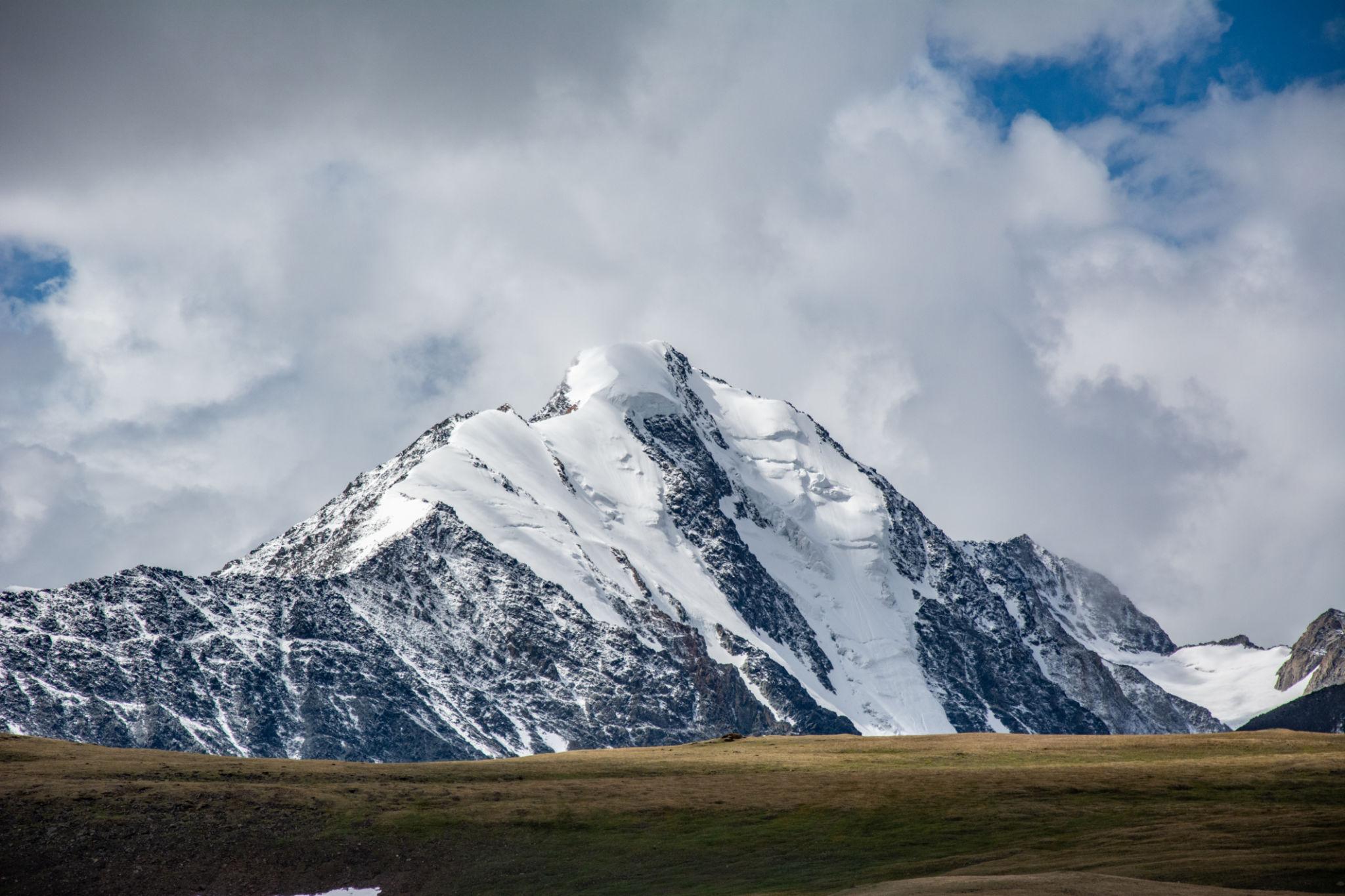
Western Mongolia is defined by the Altai Mountains, the highest and most rugged region in the country.
The landscape is shaped by snow, ice, and rock, creating dramatic terrain that differs significantly from other parts of Mongolia.
Glaciers move slowly through high valleys, while rivers cut deep channels into the mountains. The environment changes with elevation, creating a range of ecosystems within a relatively small area.
The cultural identity of the region is also distinct. In Bayan-Ölgii, Kazakh communities continue the tradition of hunting with golden eagles, a practice that remains active today.
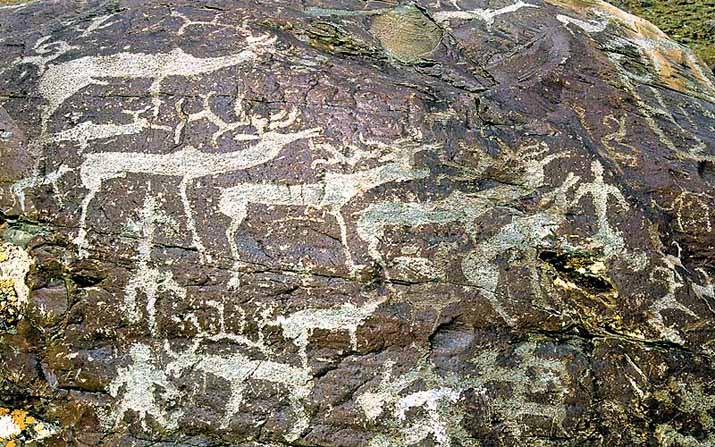
Ancient history is present across the landscape. Petroglyphs, burial sites, and stone monuments provide evidence of early human life in the region.
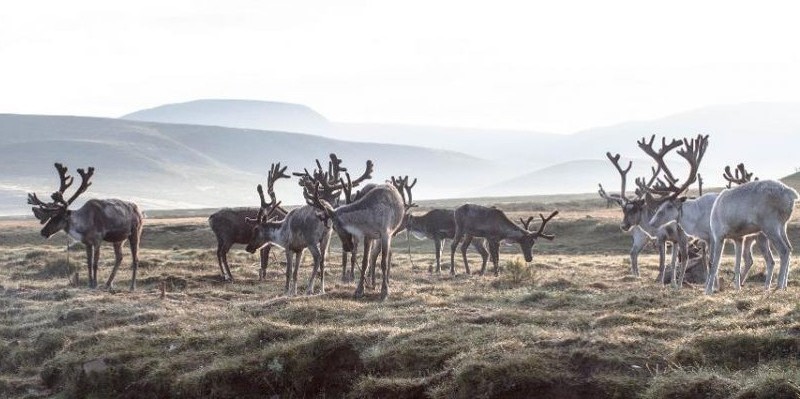
Wildlife survives in these remote conditions, including species such as snow leopards, ibex, and argali sheep, although they are rarely seen.
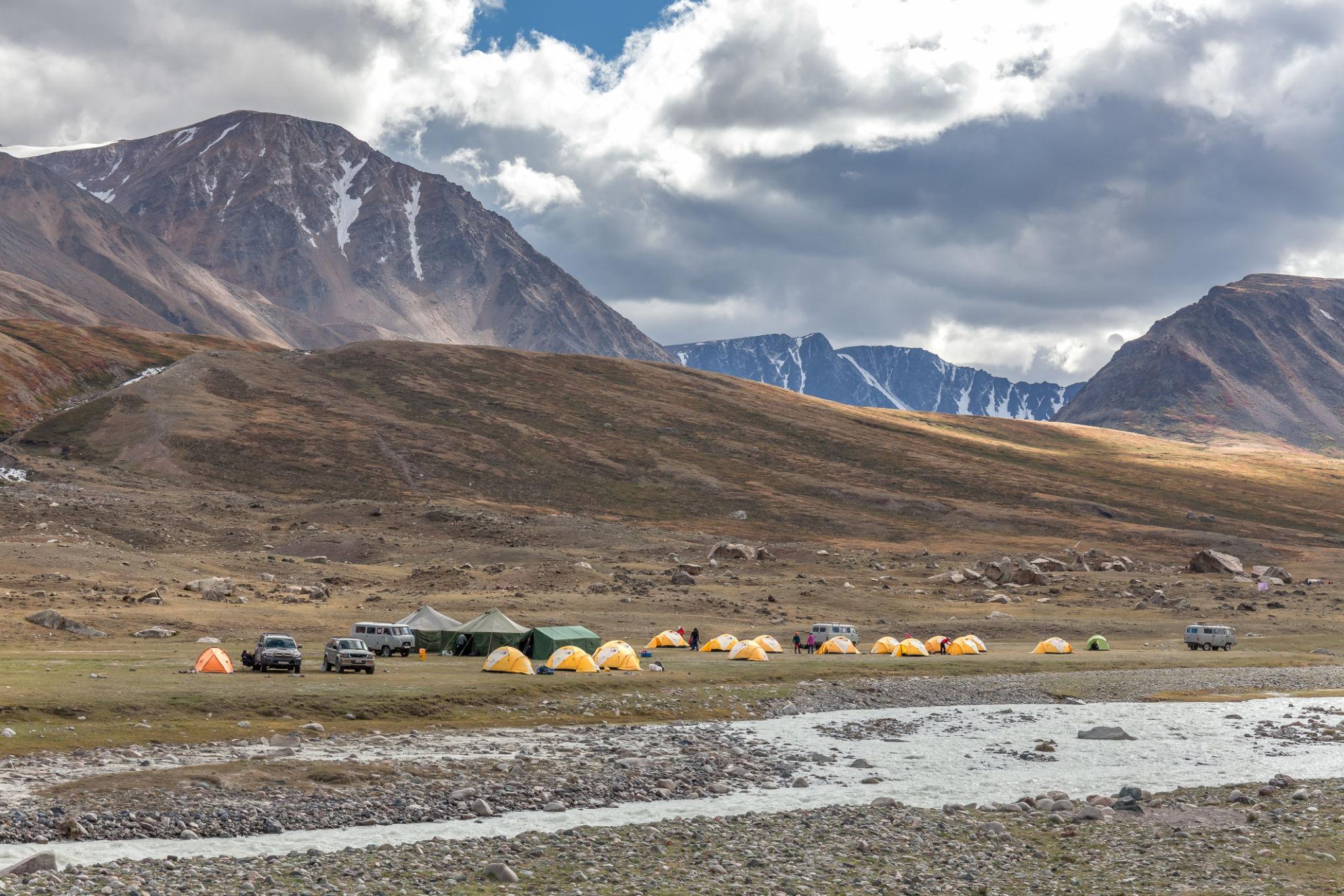
Travel here requires time and preparation, but it offers one of the most authentic wilderness experiences in Mongolia.
Key Places
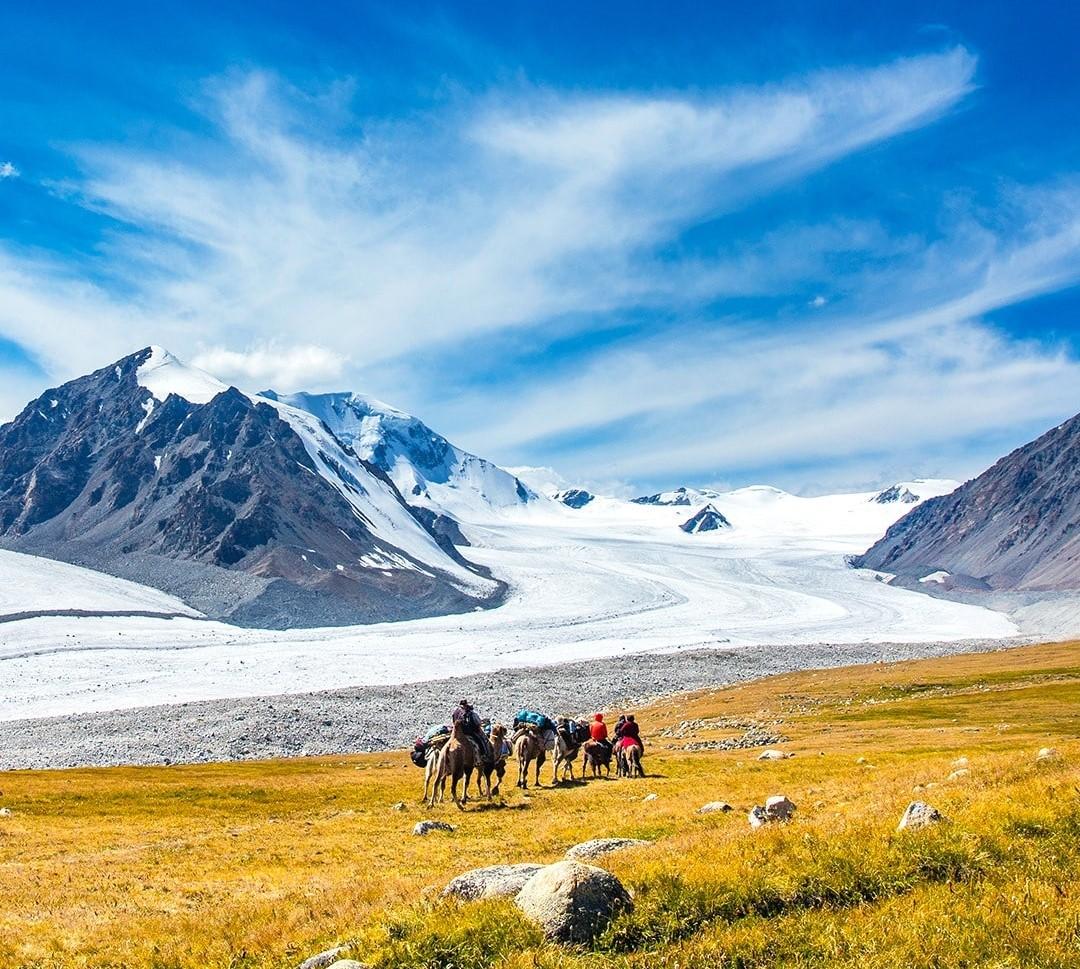
Altai Tavan Bogd National Park
The highest mountain region in Mongolia with glaciers and alpine terrain. Known for remote landscapes and multi-day trekking routes.
Potanin Glacier
The largest glacier in Mongolia, located within the Altai range. A key destination for trekking and high-altitude exploration.
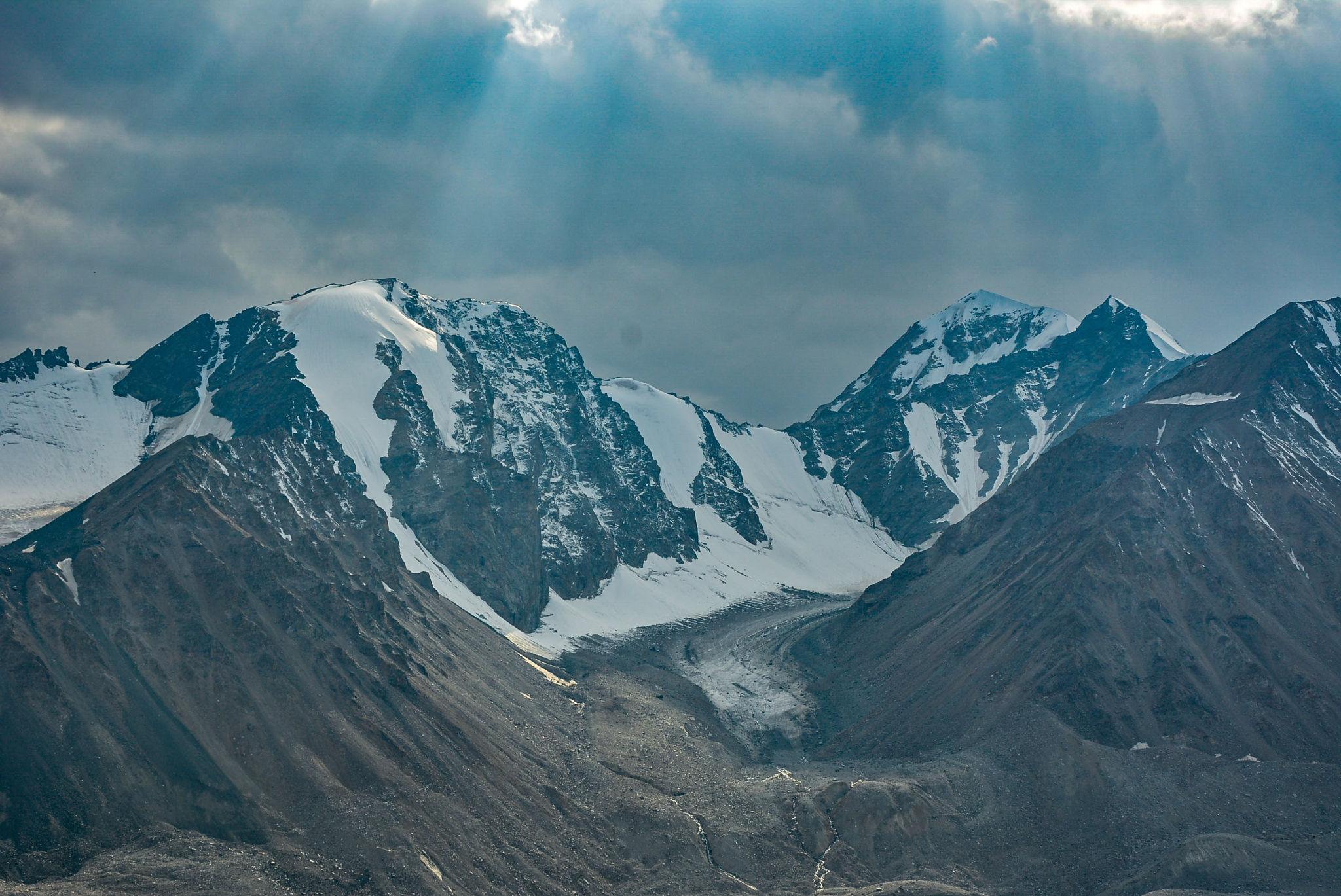
Malchin Peak
One of the most accessible peaks in the Altai Mountains. Offers wide panoramic views across surrounding mountain ranges.
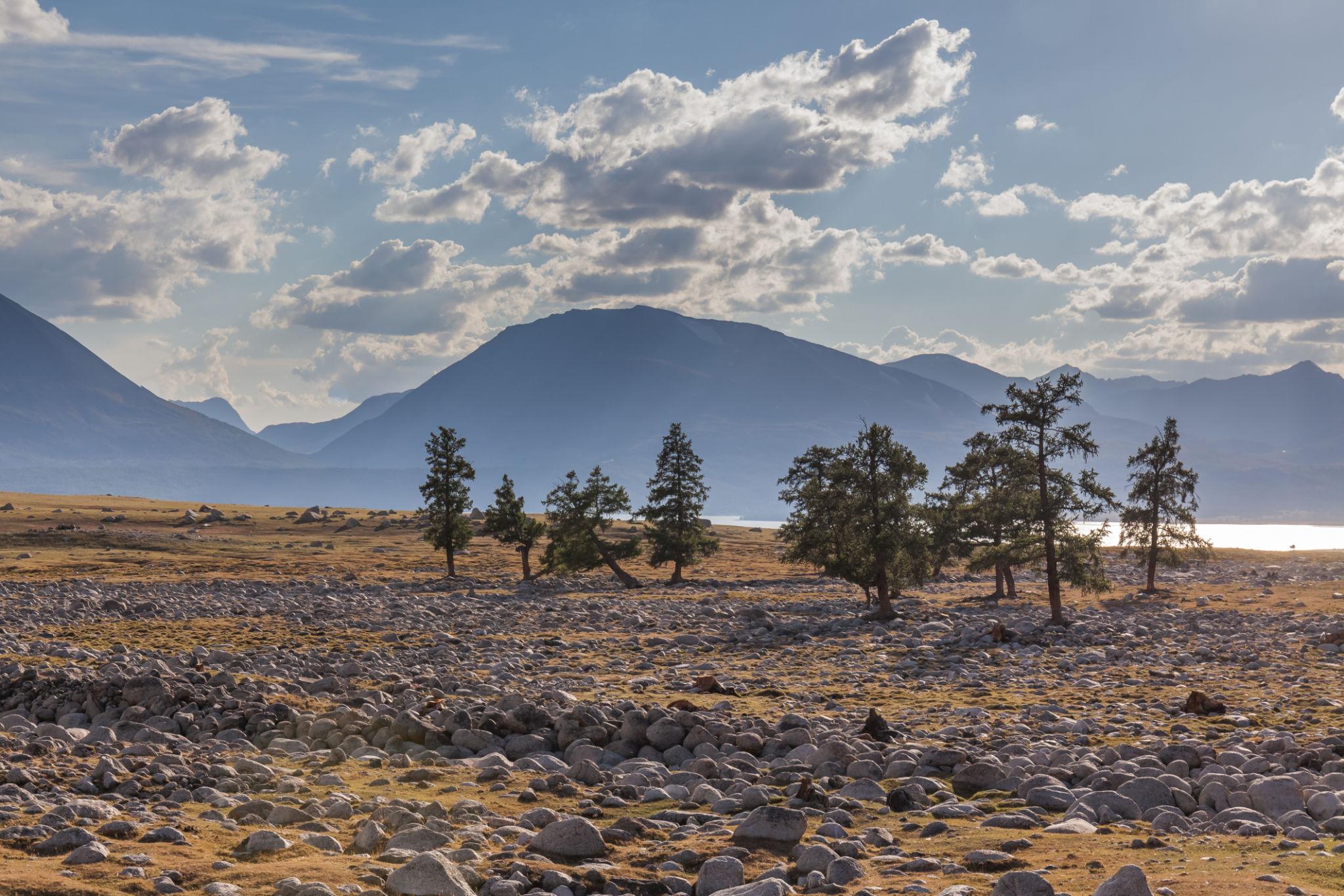
Khoton & Khurgan Lakes
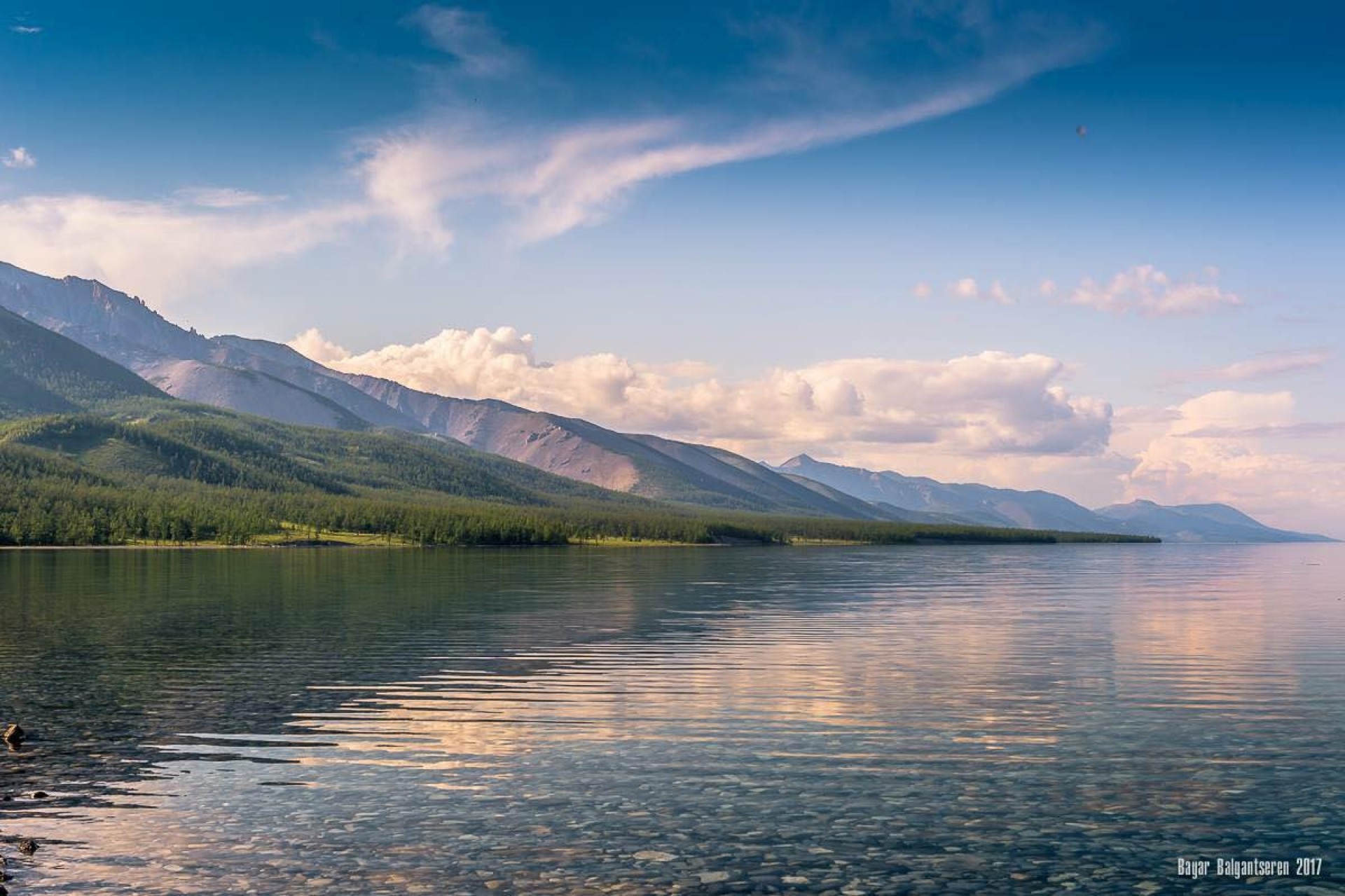
Two connected lakes surrounded by forest and mountain terrain. A calm and scenic area within a remote western landscape.
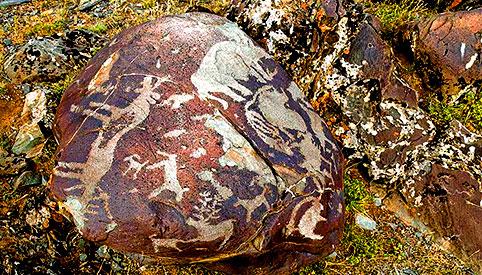
Tsagaan Salaa Petroglyphs
Ancient rock carvings spread across high mountain valleys. Part of a UNESCO-recognized cultural heritage landscape.
Baga Oigor Petroglyphs
A major petroglyph complex with thousands of engravings. Depict animals, hunting scenes, and early human activity.
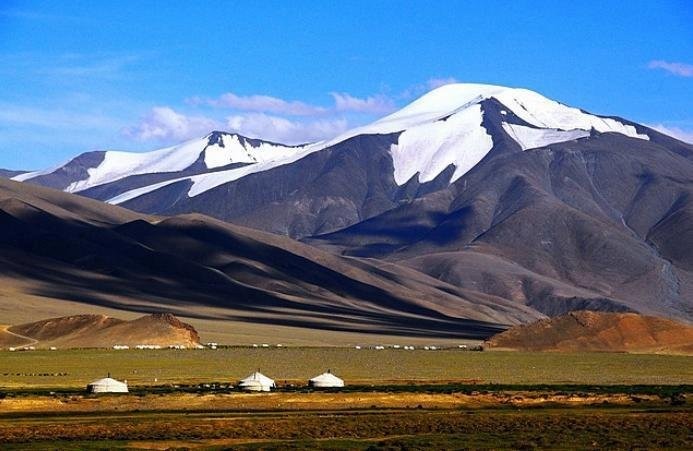
Tsambagarav Mountain
A snow-capped mountain with well-known trekking routes. Less visited, offering quiet and isolated exploration.
Khökh Serkhiin Nuruu
A remote mountain range known as snow leopard habitat. Rarely visited and largely untouched by development.
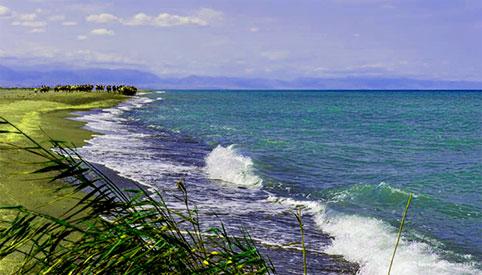
Uvs Lake
A large saline lake within a protected natural basin. Important for birdlife and ecological diversity.
Khar Us Lake
A freshwater lake surrounded by wetlands and open land. Supports diverse wildlife and migratory bird species.
Turkic Stone Monuments
Ancient stone statues scattered across the western steppe. Linked to early Turkic cultures and burial traditions.
Altai Mountain Passes
Used during trekking and overland expedition travel.

Frequently Asked Questions