A vast desert region of dunes, cliffs, and some of the most dramatic landscapes in Mongolia.
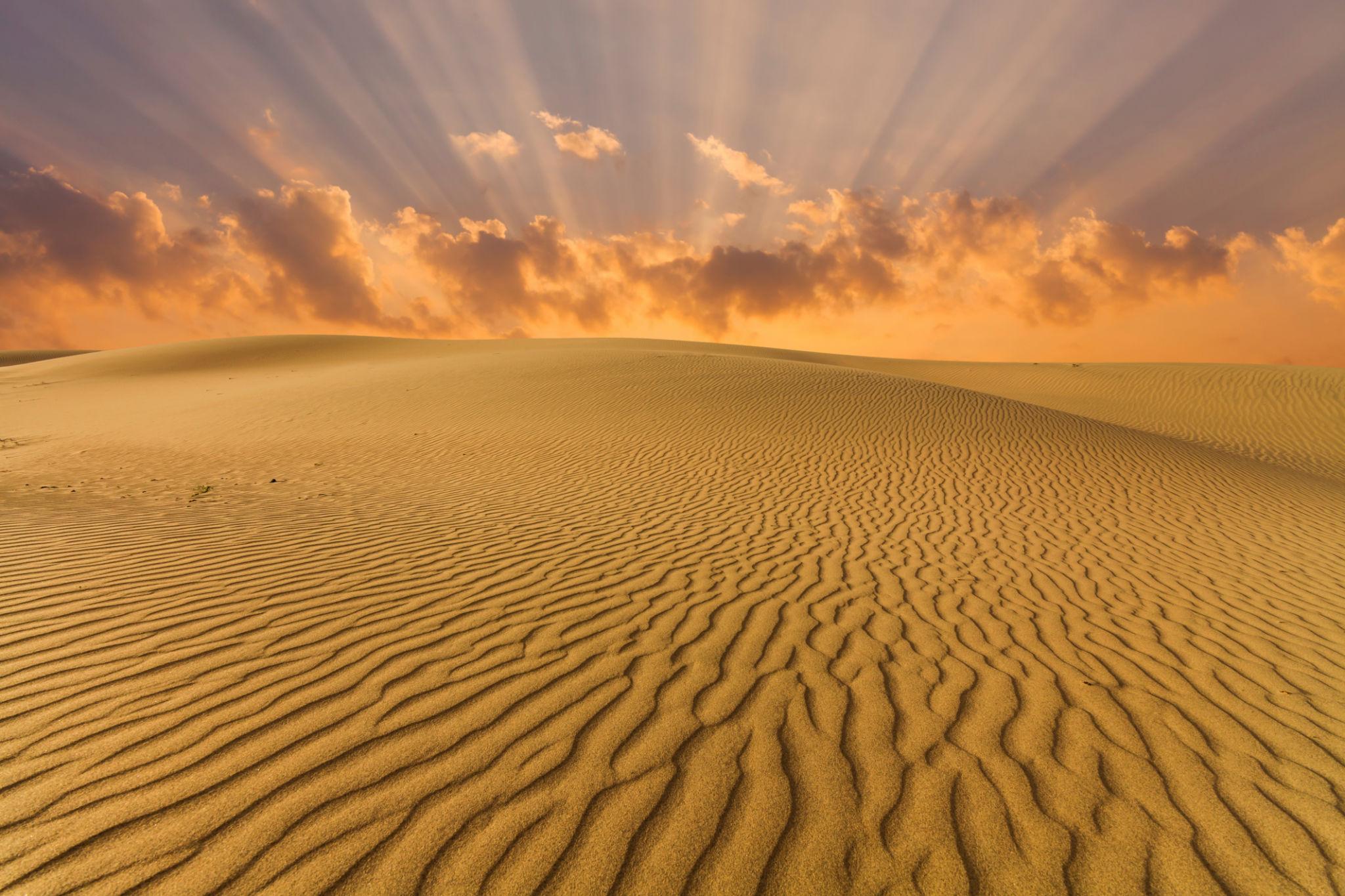
Southern Mongolia is a land of extremes.
The Gobi stretches wide, defined not by emptiness but by contrast.
Sand dunes rise suddenly from the ground, cliffs glow deep red at sunset, and narrow valleys hold ice even during the warmest months.
The landscape changes sharply across distance, creating a sense of scale that is difficult to measure.
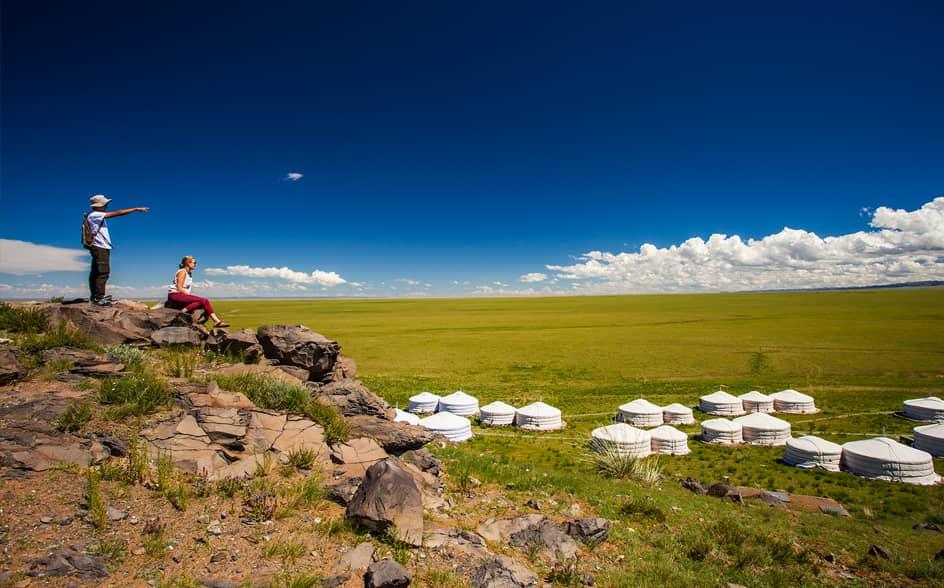
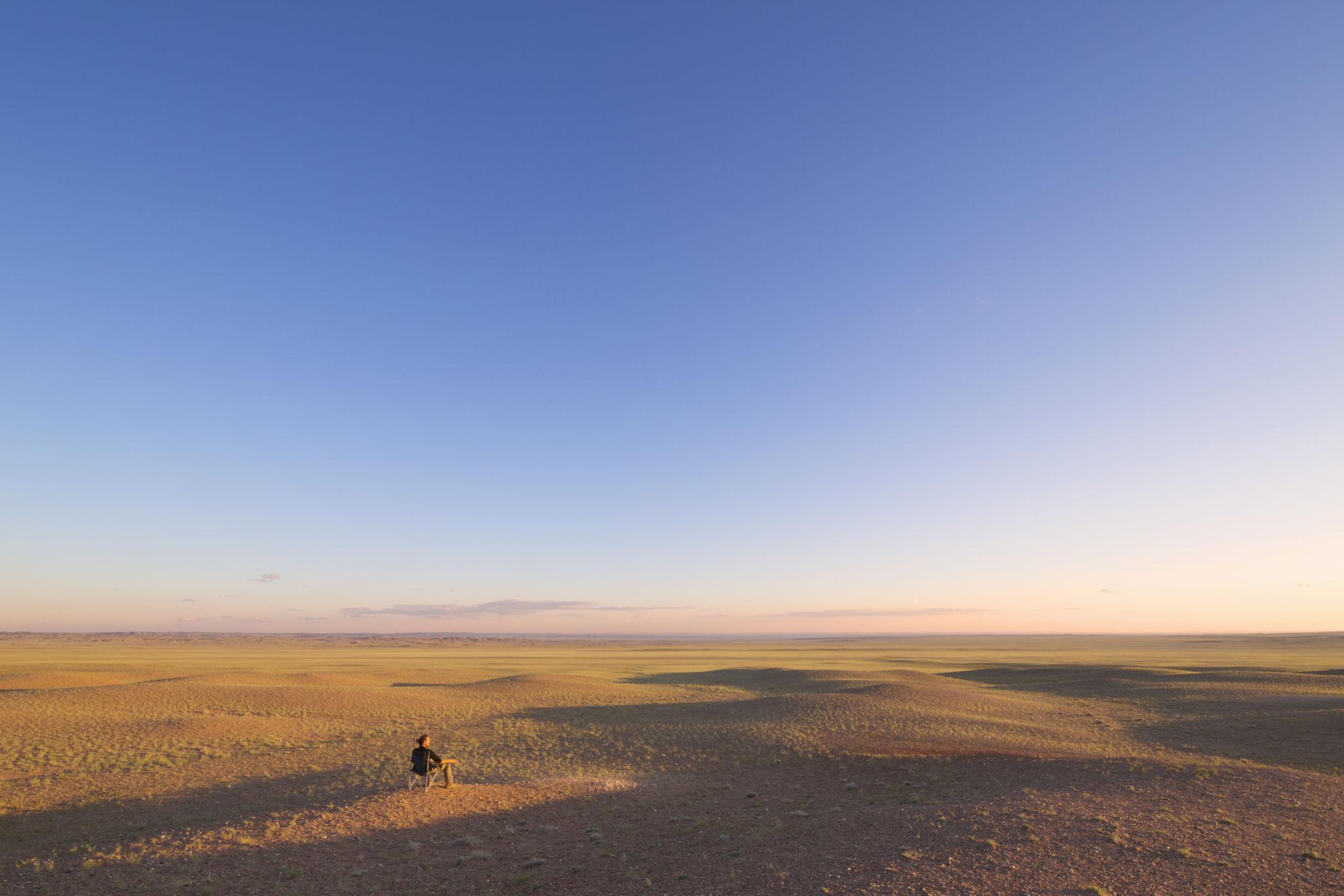
Travel here is long and uninterrupted, with open horizons in every direction.
Despite its harsh conditions, life continues.
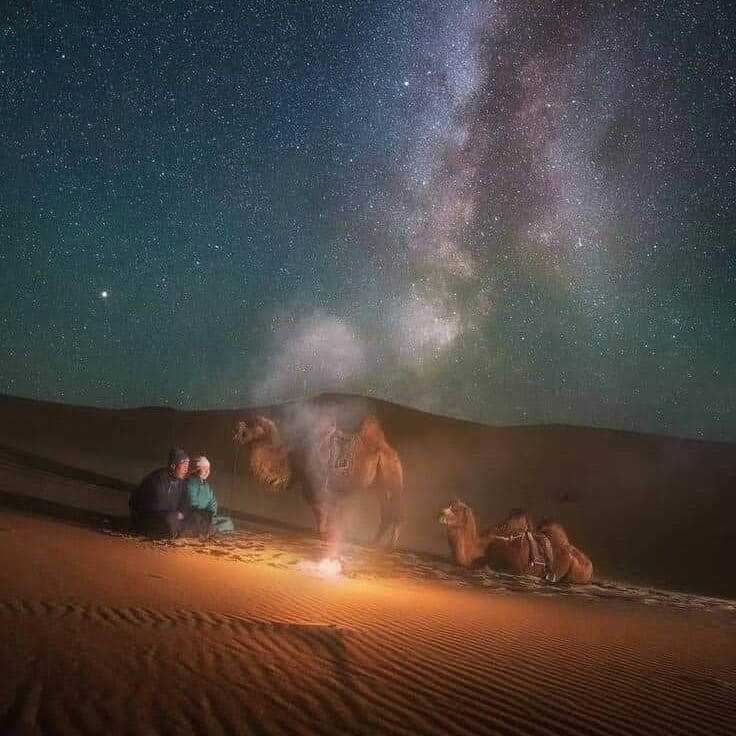
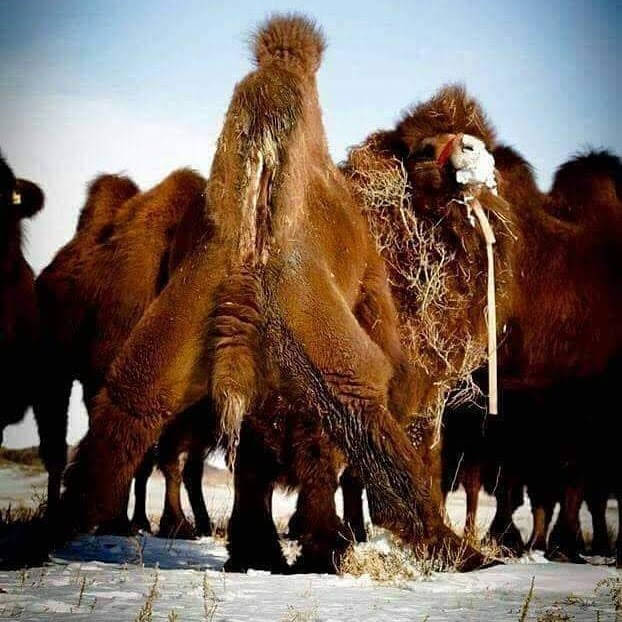
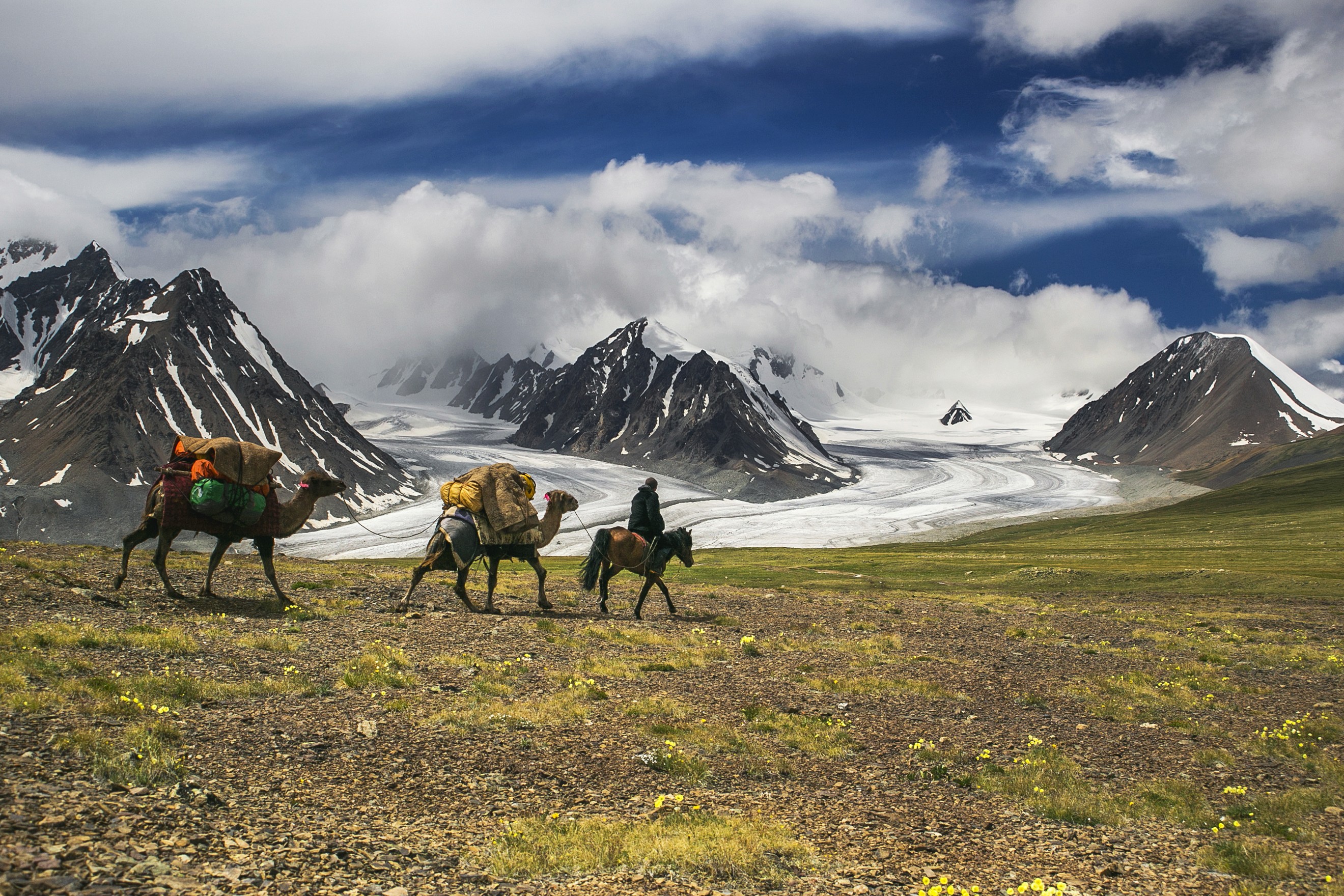
Nomadic families move with camels, and wildlife adapts to the environment.
The region feels powerful and exposed, shaped by wind, temperature, and time.
For travelers, the Gobi offers a direct experience of Mongolia at its most raw and visually striking.
Southern Mongolia (Gobi)


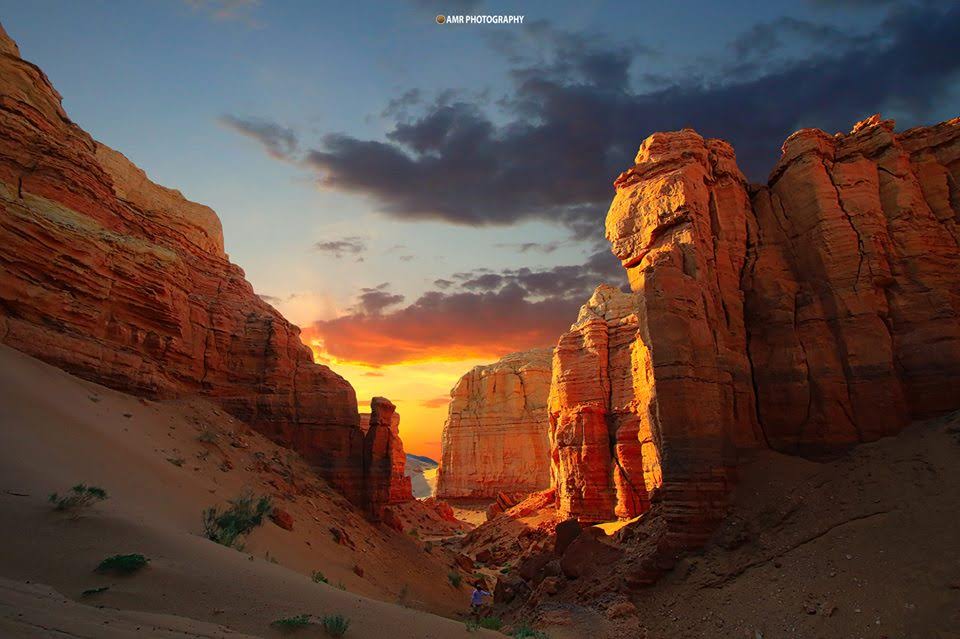
The Gobi is one of the most diverse desert regions in the world.
It includes not only sand dunes, but also cliffs, mountains, plains, and valleys shaped by millions of years of geological activity.
The region is globally significant for its paleontological discoveries. Fossilized dinosaur eggs and remains were first found here, particularly in areas like Bayanzag. Ancient rock carvings also provide insight into early human presence in the region.
Despite its harsh environment, the Gobi supports life. Nomadic families herd camels and livestock, adapting to extreme seasonal conditions. Wildlife, including rare species, survives in this landscape through specialized adaptation.
Travel in the Gobi involves long distances and minimal infrastructure. Roads are often unmarked, and routes depend on conditions.
For travelers, the Gobi offers a strong sense of isolation and scale. It is a region where landscape dominates and movement is continuous, making it one of the most visually and physically distinct parts of Mongolia.
Key Places
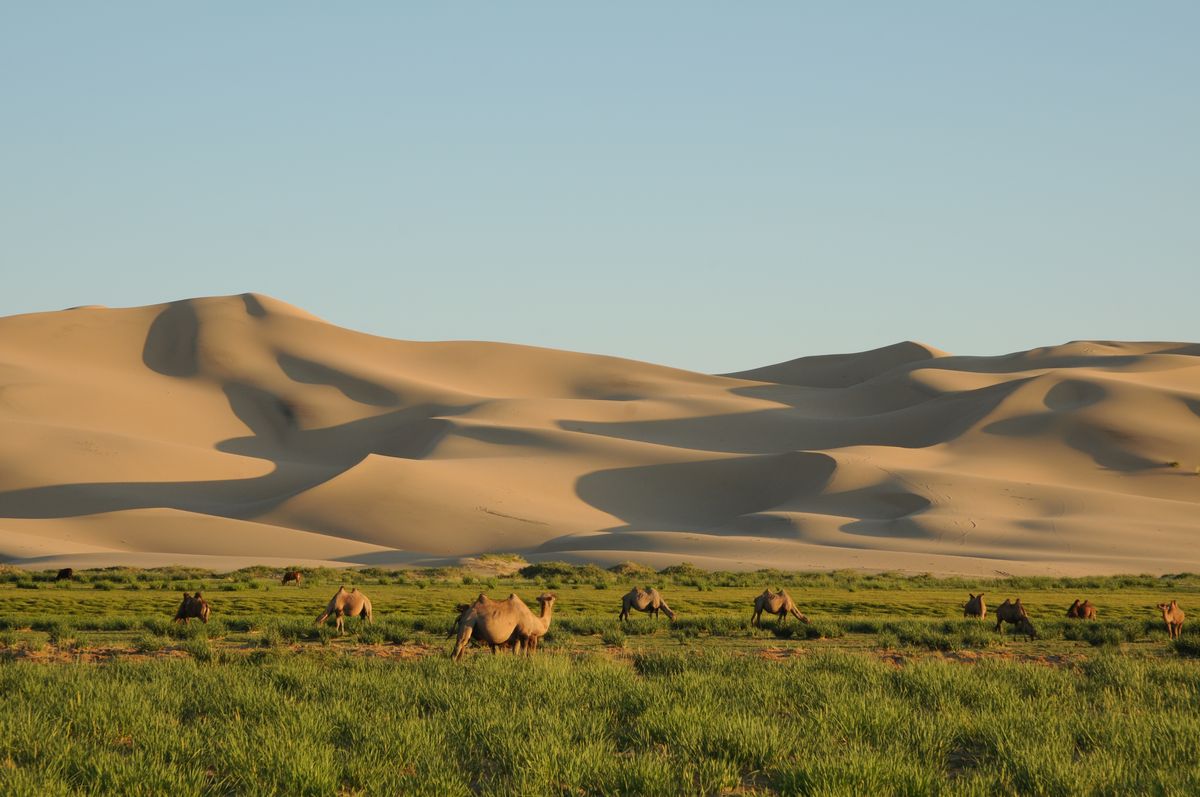
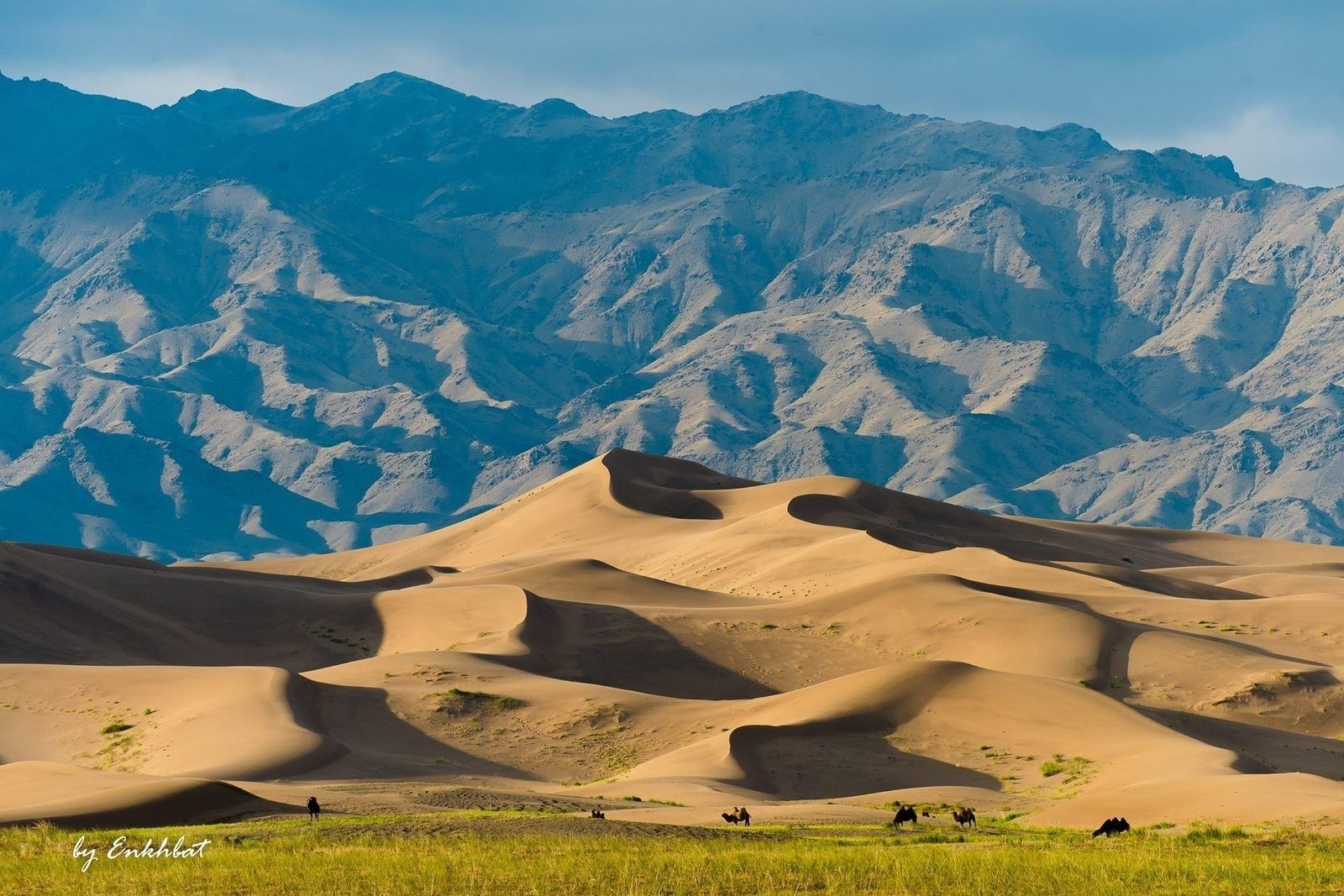
Khongoryn Els
Massive sand dunes rising across the desert landscape. Wind creates deep sounds as sand moves across the slopes.
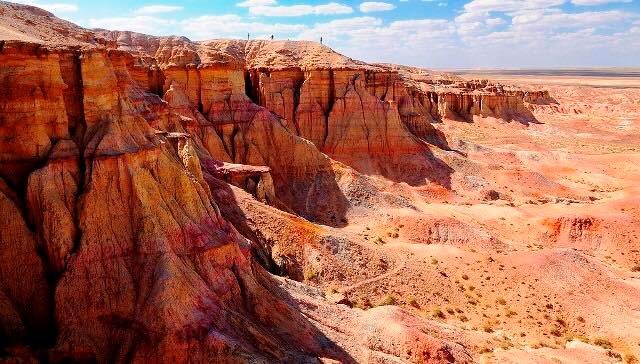
Bayanzag
Red sandstone cliffs known for early dinosaur fossil discoveries. At sunset, the landscape glows with a deep orange color.
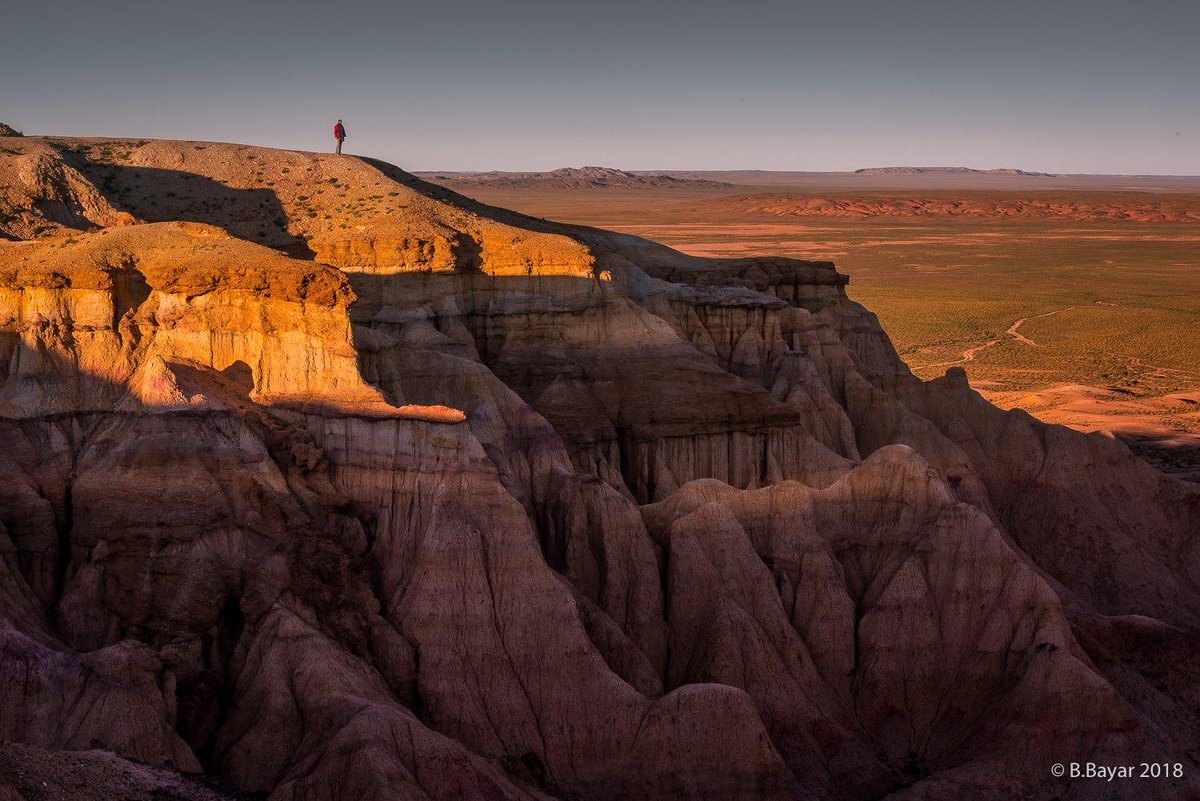
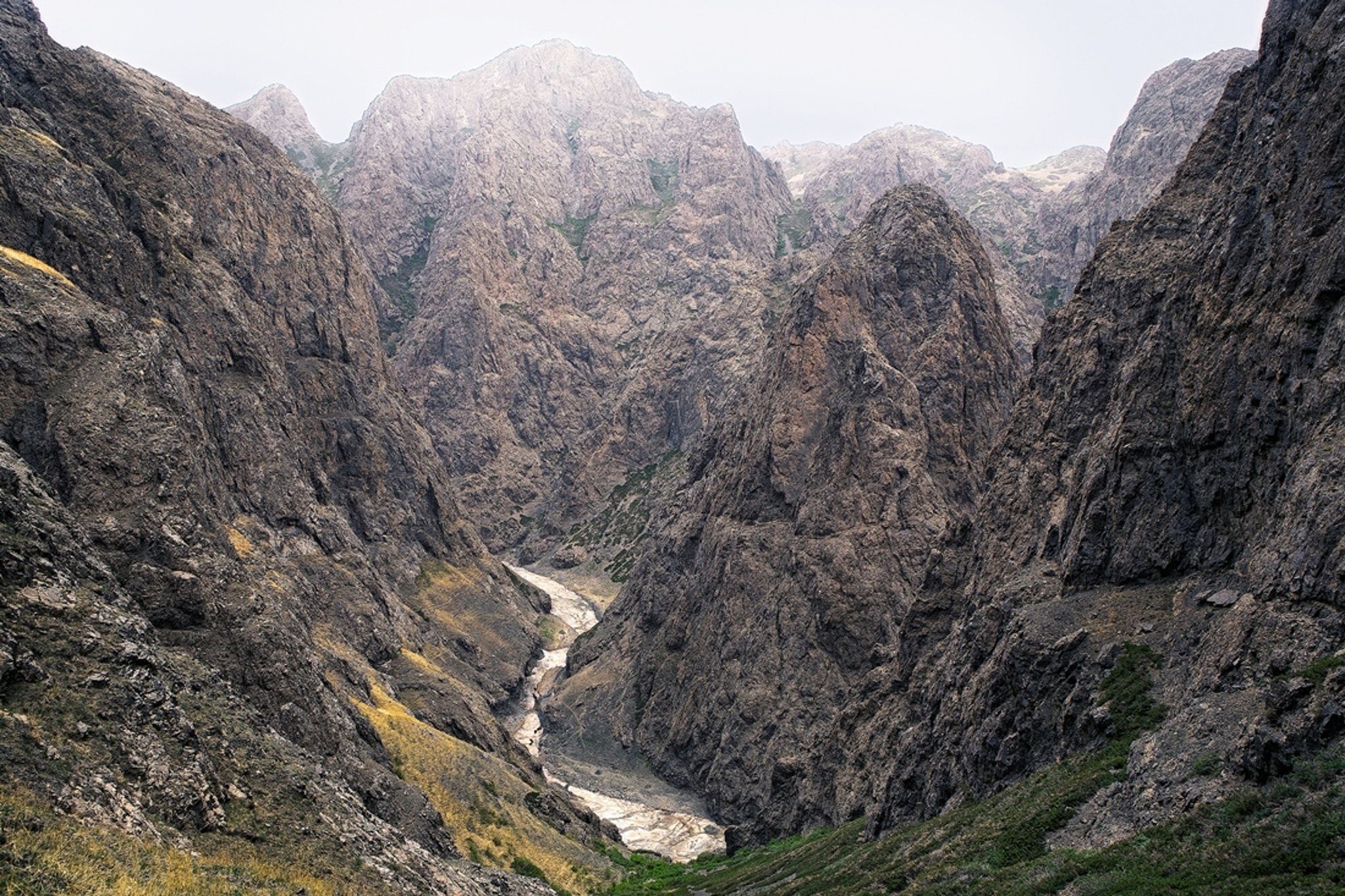
Yol Valley
A narrow valley located within mountain terrain in the Gobi. Ice can remain here even during the warmer summer months.
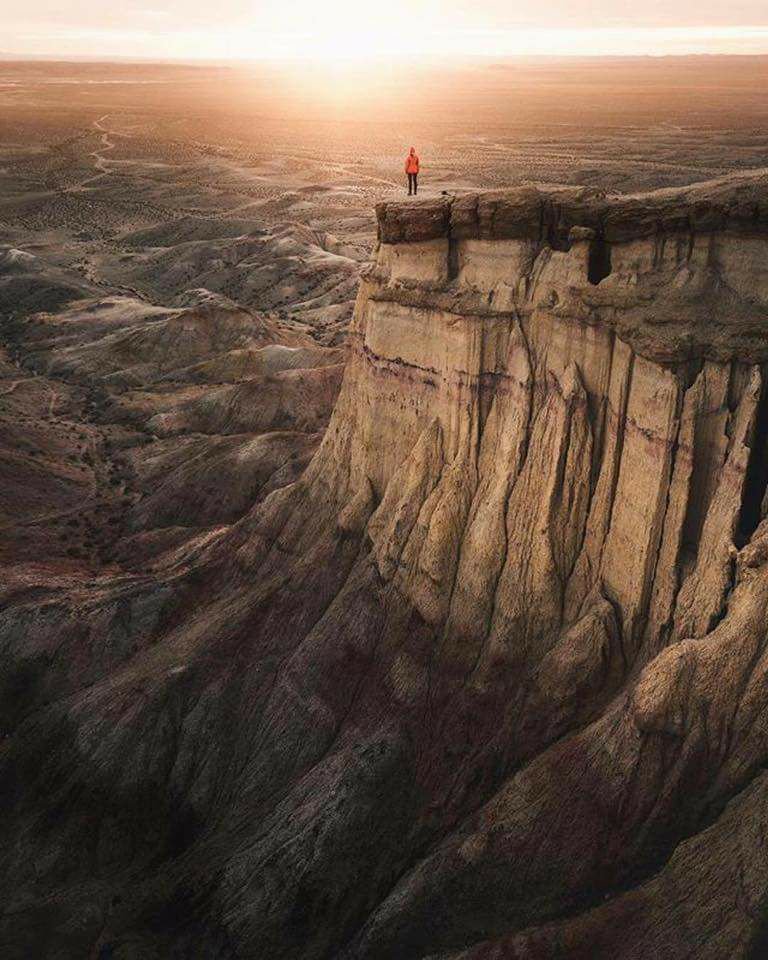
Tsagaan Suvarga (White Stuppa)
Layered cliffs formed by erosion over millions of years. From a distance, they resemble an ancient ruined city.
Baga Gazriin Chuluu
Granite rock formations rising from flat steppe terrain. Known for unique shapes and quiet, isolated surroundings.
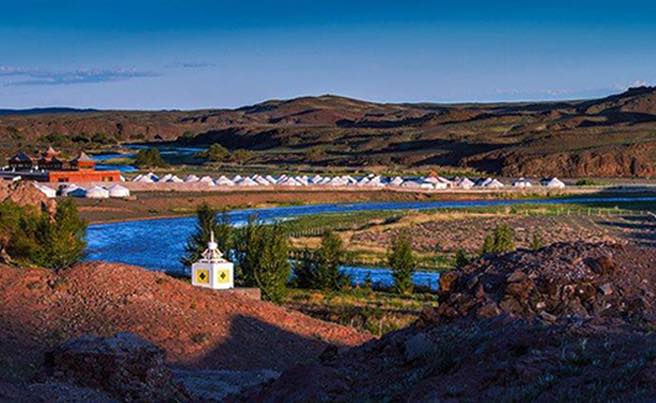
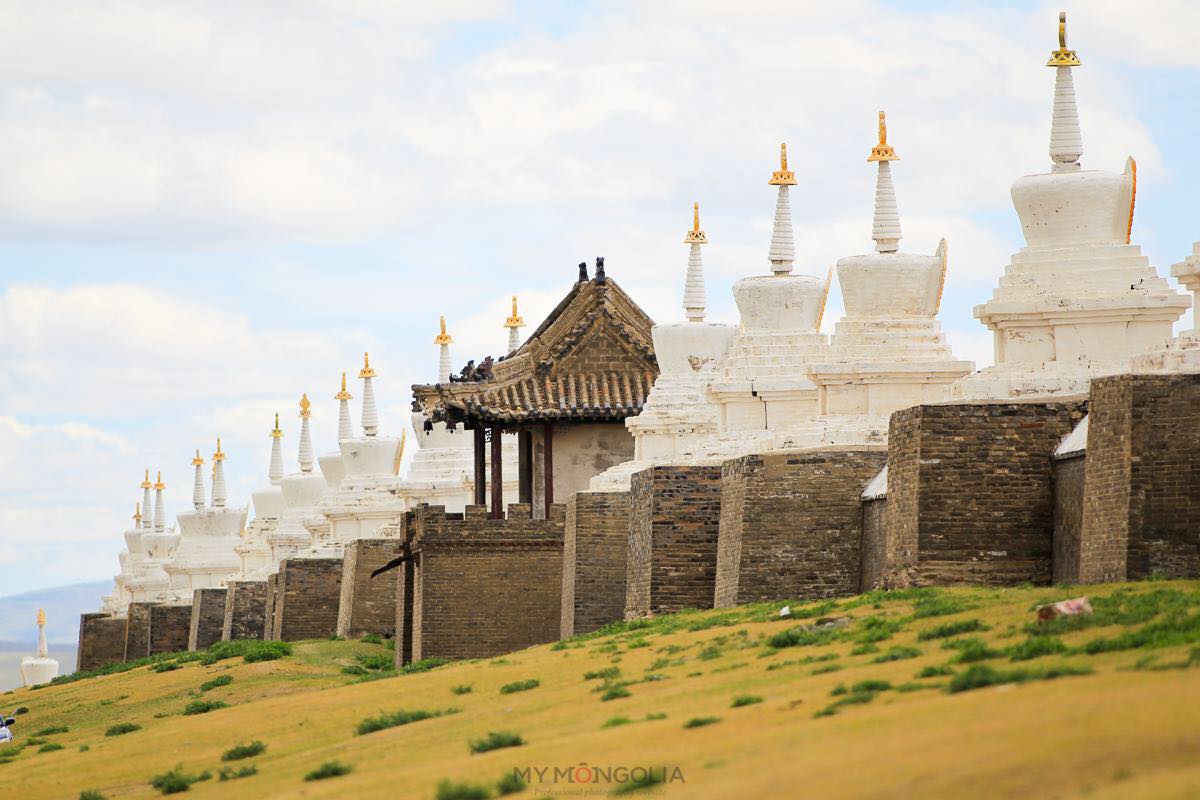
Ongiin Khiid
Ruins of a large monastery destroyed in the early twentieth century. Partially restored, with a peaceful setting along a river valley.
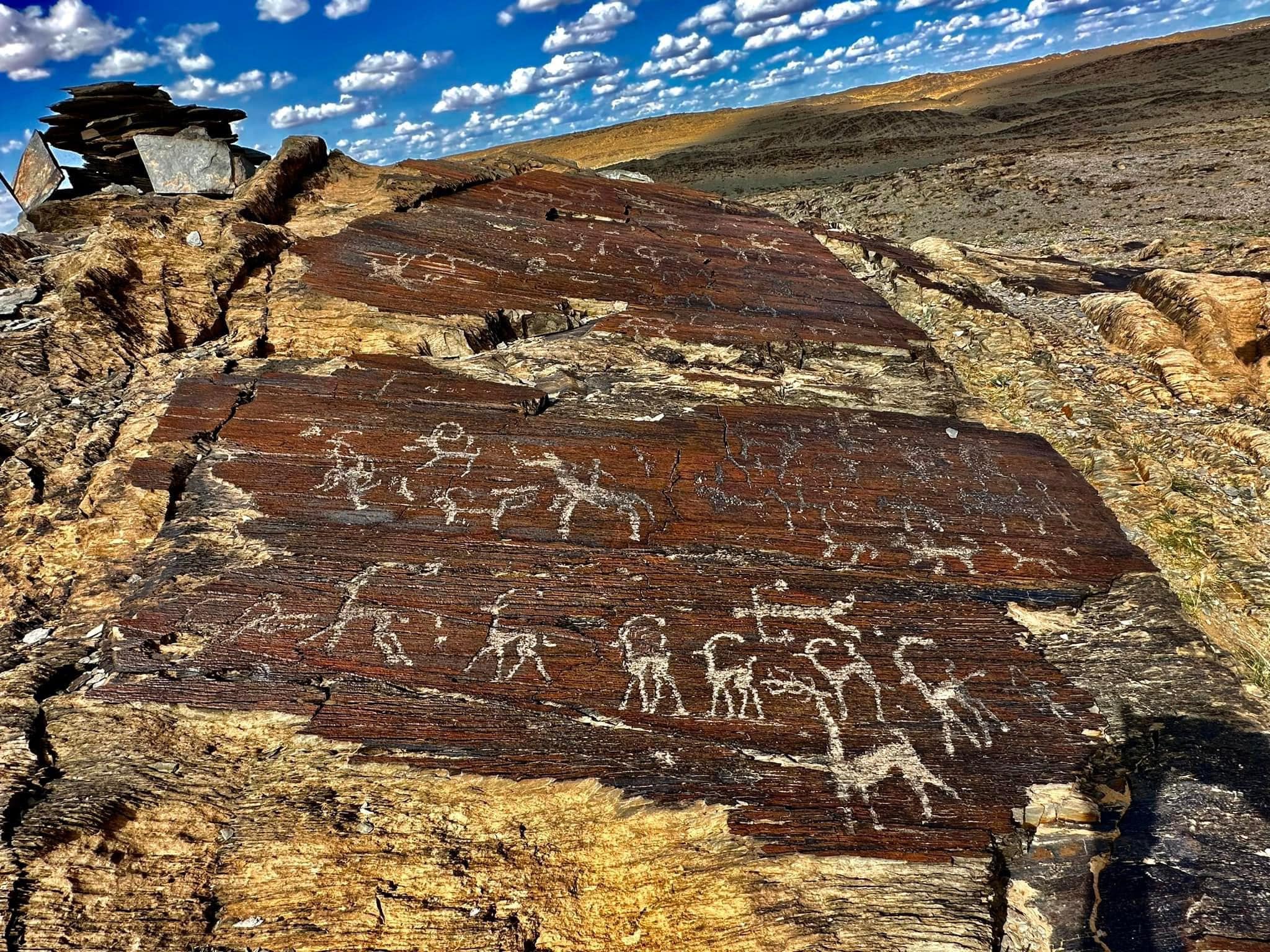
Del Uul Petroglyphs
Ancient rock carvings spread across desert hills. Depict animals, hunting scenes, and early human activity.
Khavtsgait Petroglyphs
A lesser-known site of rock carvings in remote desert terrain. Accessible by off-road travel, with wide views of the landscape.
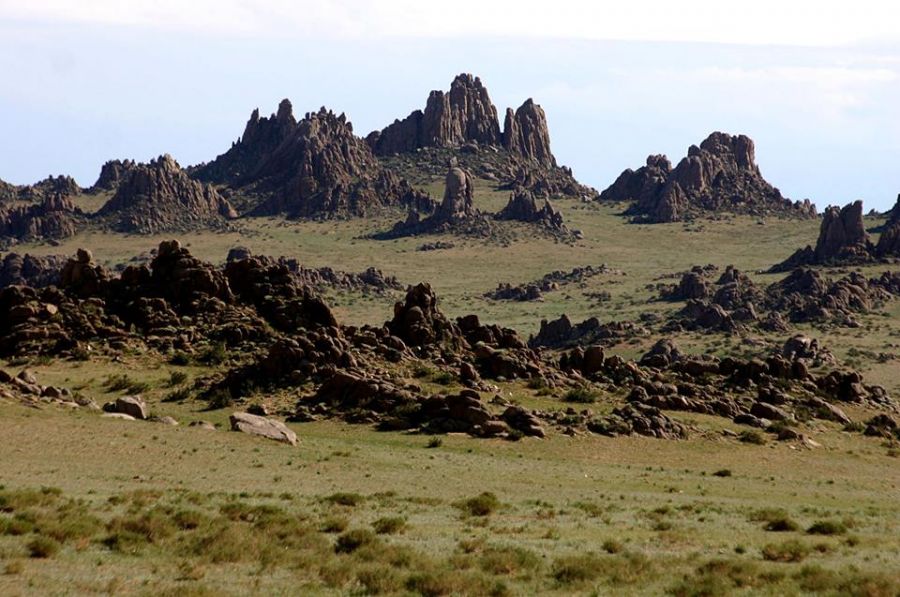
Ikh Gazriin Chuluu
Large granite formations located in a dry steppe environment. Offers dramatic rock shapes and open, quiet surroundings.
Great Gobi A
A strictly protected area in the southern desert region. Habitat of rare wildlife including the critically endangered Gobi bear.
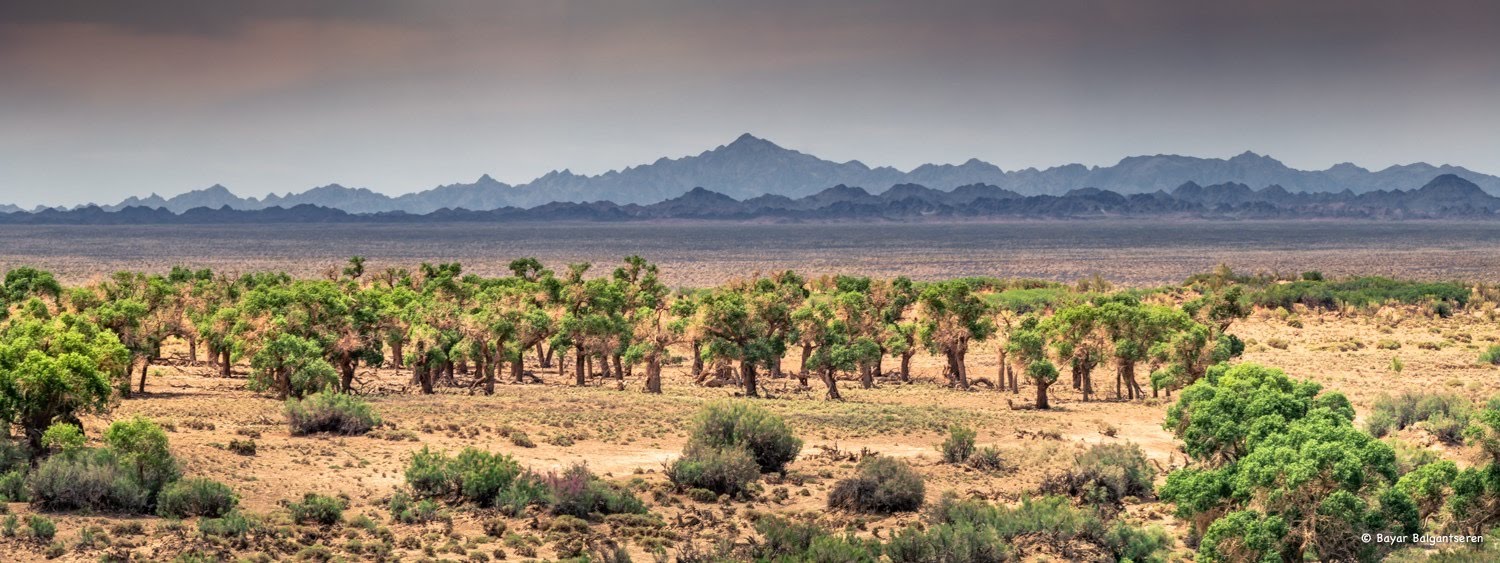
Desert Oases
Hidden water sources scattered across the desert landscape. Support both wildlife and nomadic life in otherwise dry conditions.

Frequently Asked Questions