A calm and green region of forests, rivers, and one of the purest lakes in the world.
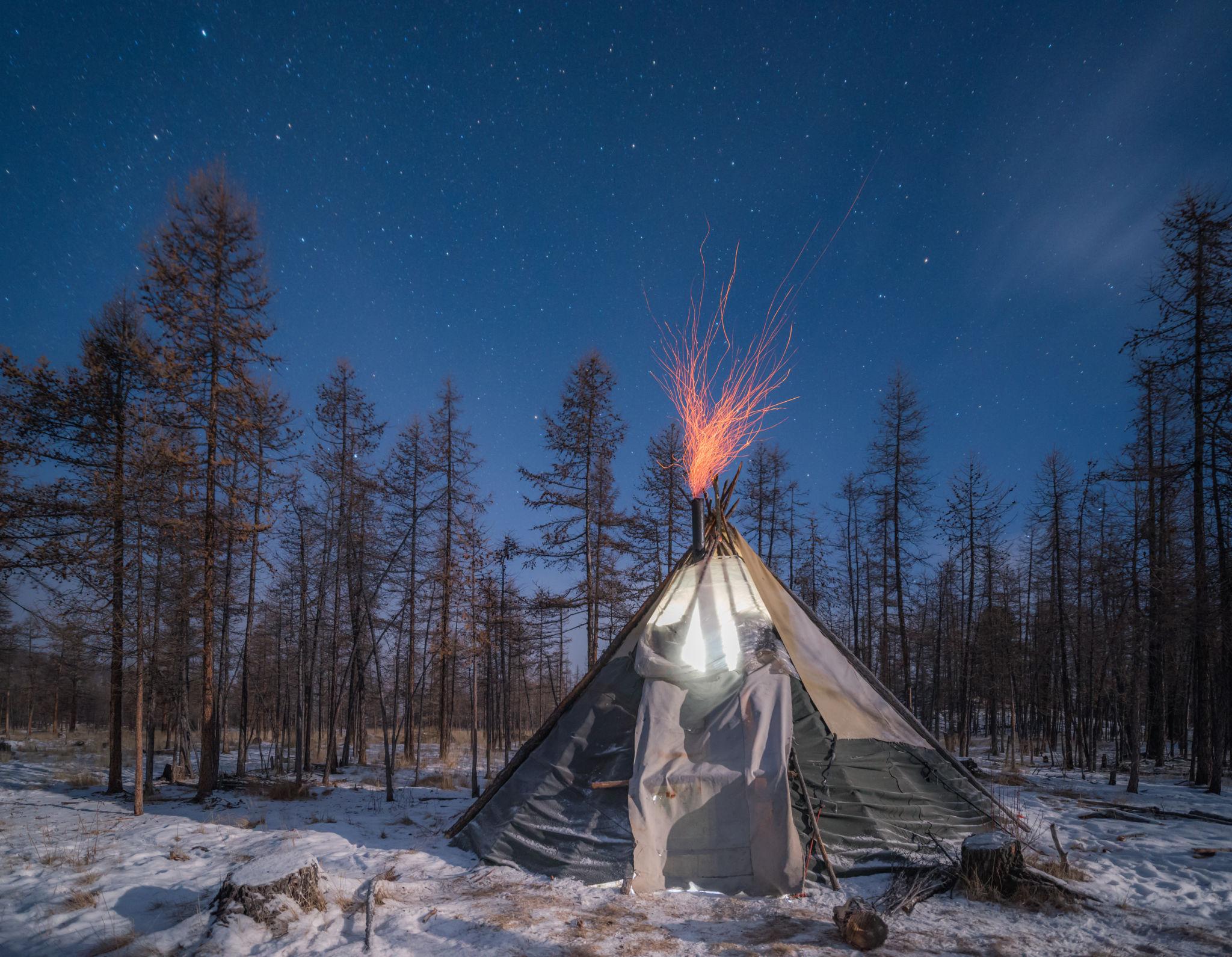
Northern Mongolia is calm.
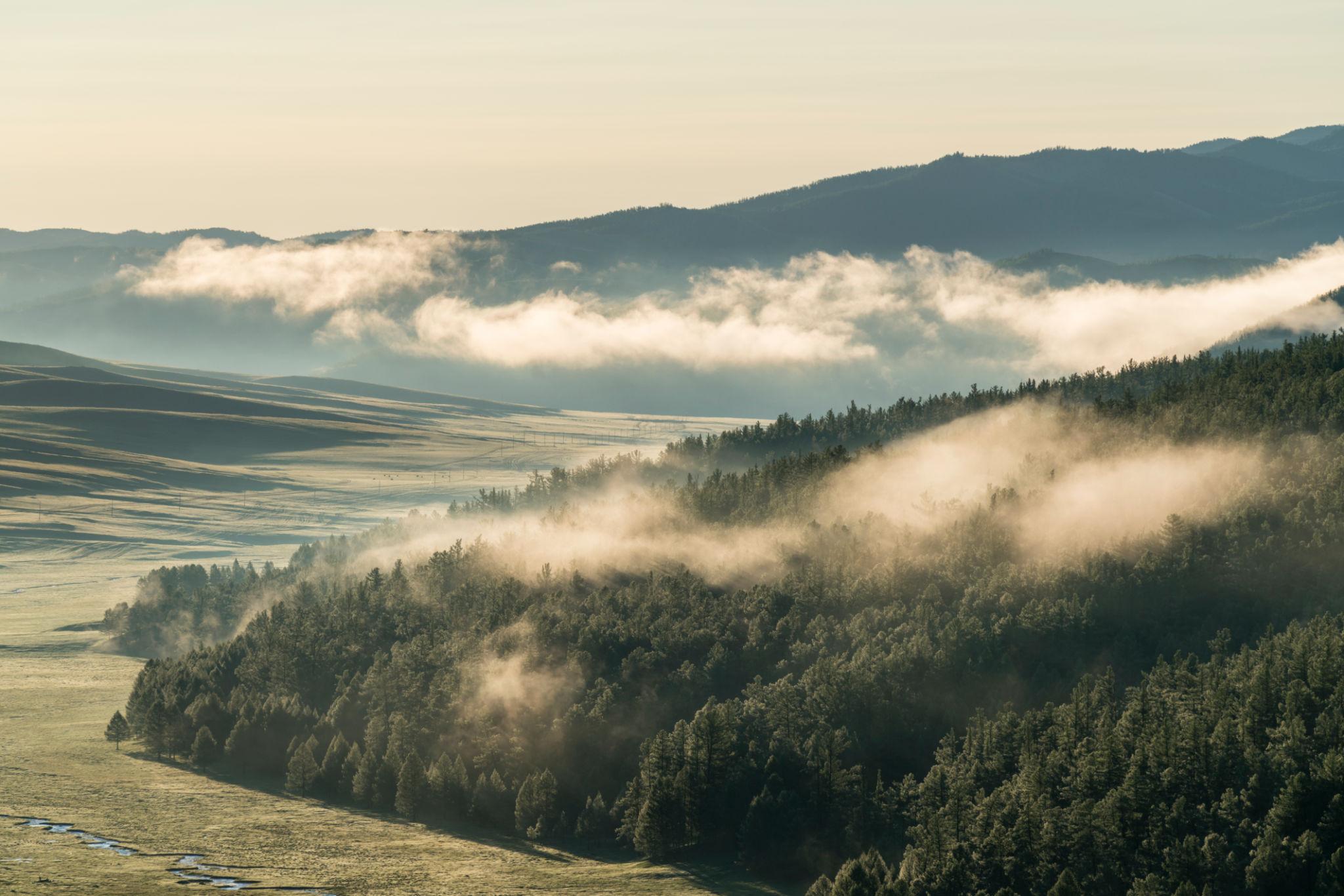
The steppe gradually turns into forest, rivers flow through quiet valleys, and the air becomes cooler and fresher.
The landscape feels softer and more contained compared to other regions.
Travel here moves at a slower pace, with more focus on nature and environment.
The region is defined by water, forest, and open space that feels peaceful rather than extreme.
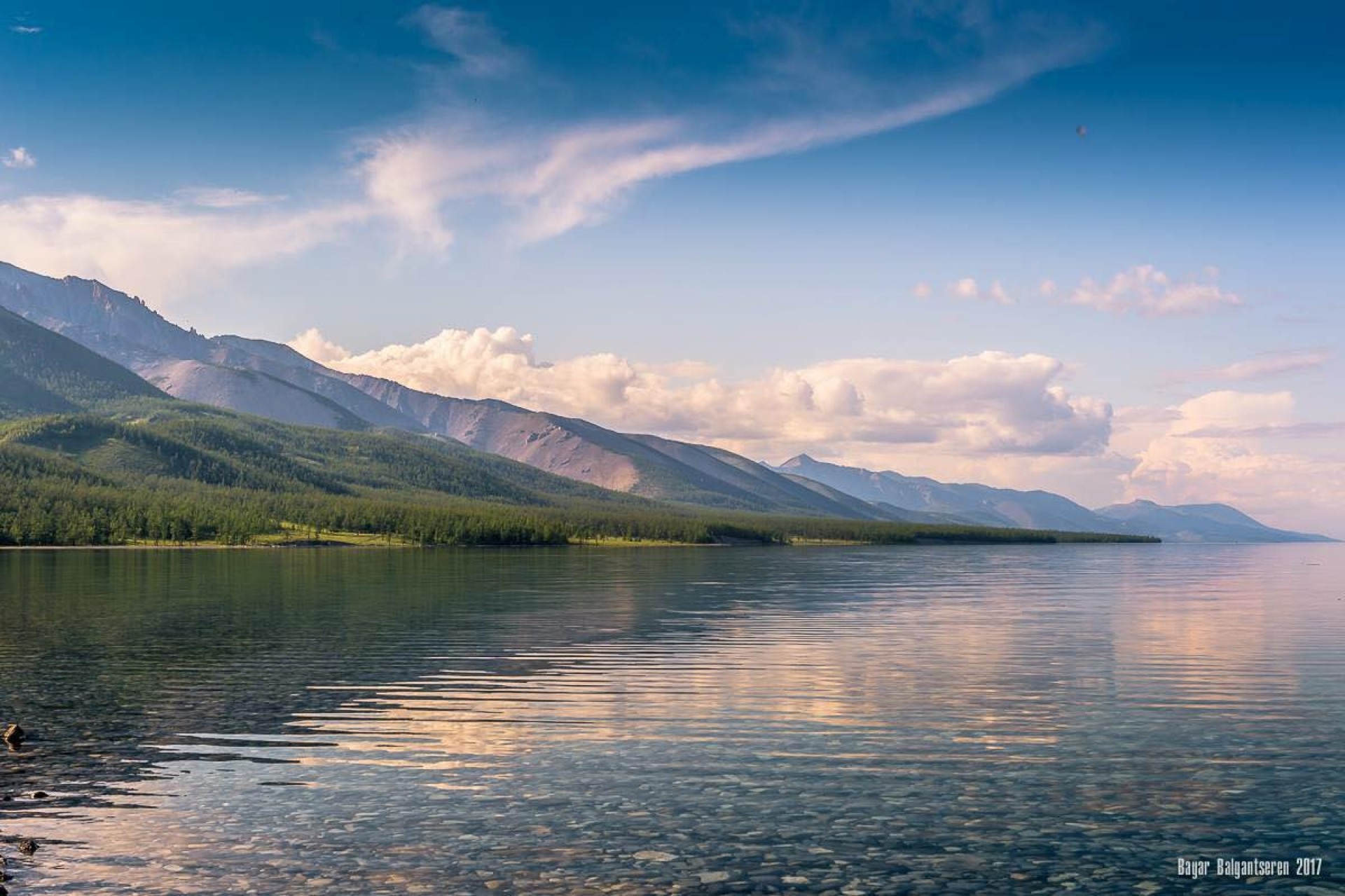
Lake Khövsgöl sits at the center, surrounded by mountains and dense forest.
Beyond the lake, the land becomes more remote, leading into taiga regions where traditional lifestyles continue.
This part of Mongolia offers a different experience, one that is quieter and more reflective.
For travelers looking for nature, stillness, and a slower rhythm, Northern Mongolia provides a clear contrast to the rest of the country.
Northern Mongolia

Northern Mongolia is one of the most environmentally rich regions in the country.
The landscape is defined by forests, rivers, and freshwater systems that support both wildlife and human life.
Lake Khövsgöl is at the center of the region. It is one of the clearest freshwater lakes in the world and a major source of water for surrounding ecosystems.
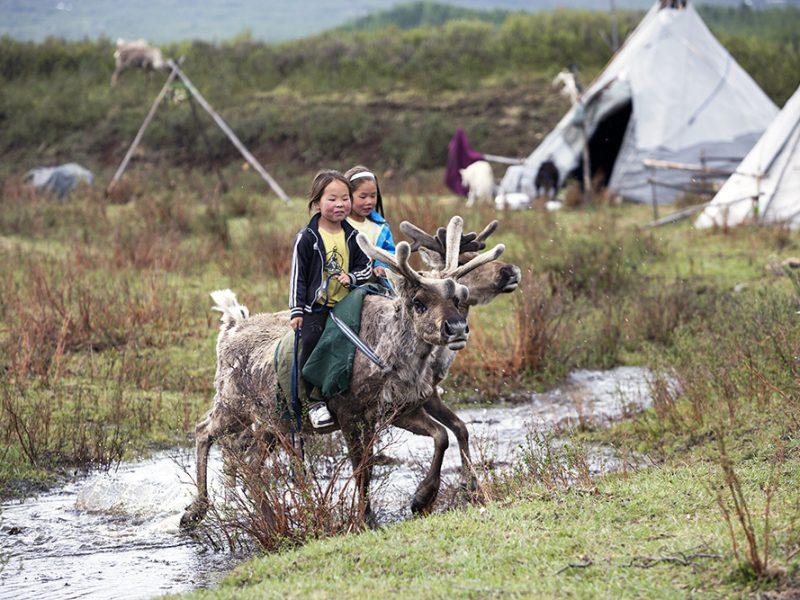
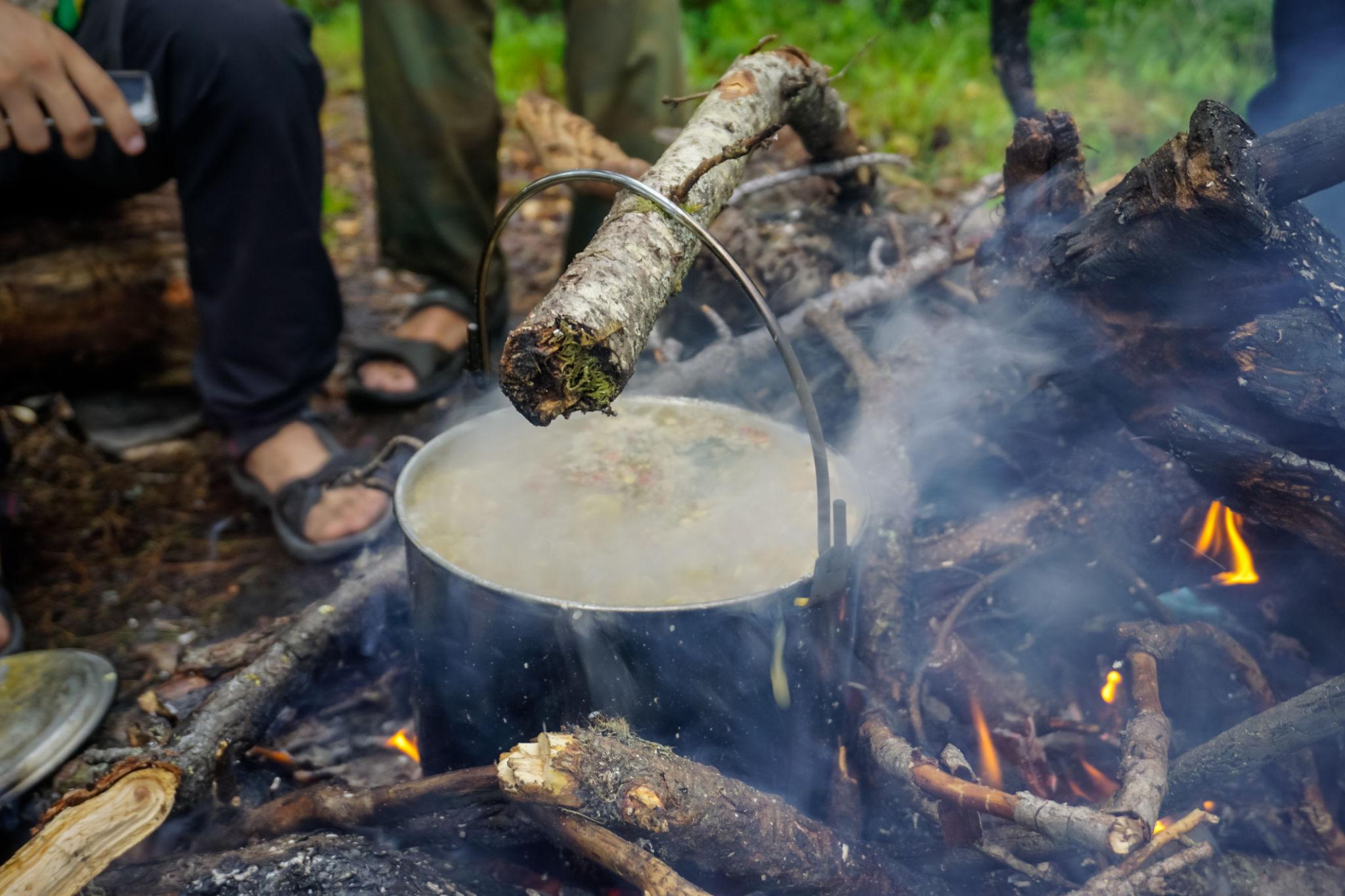
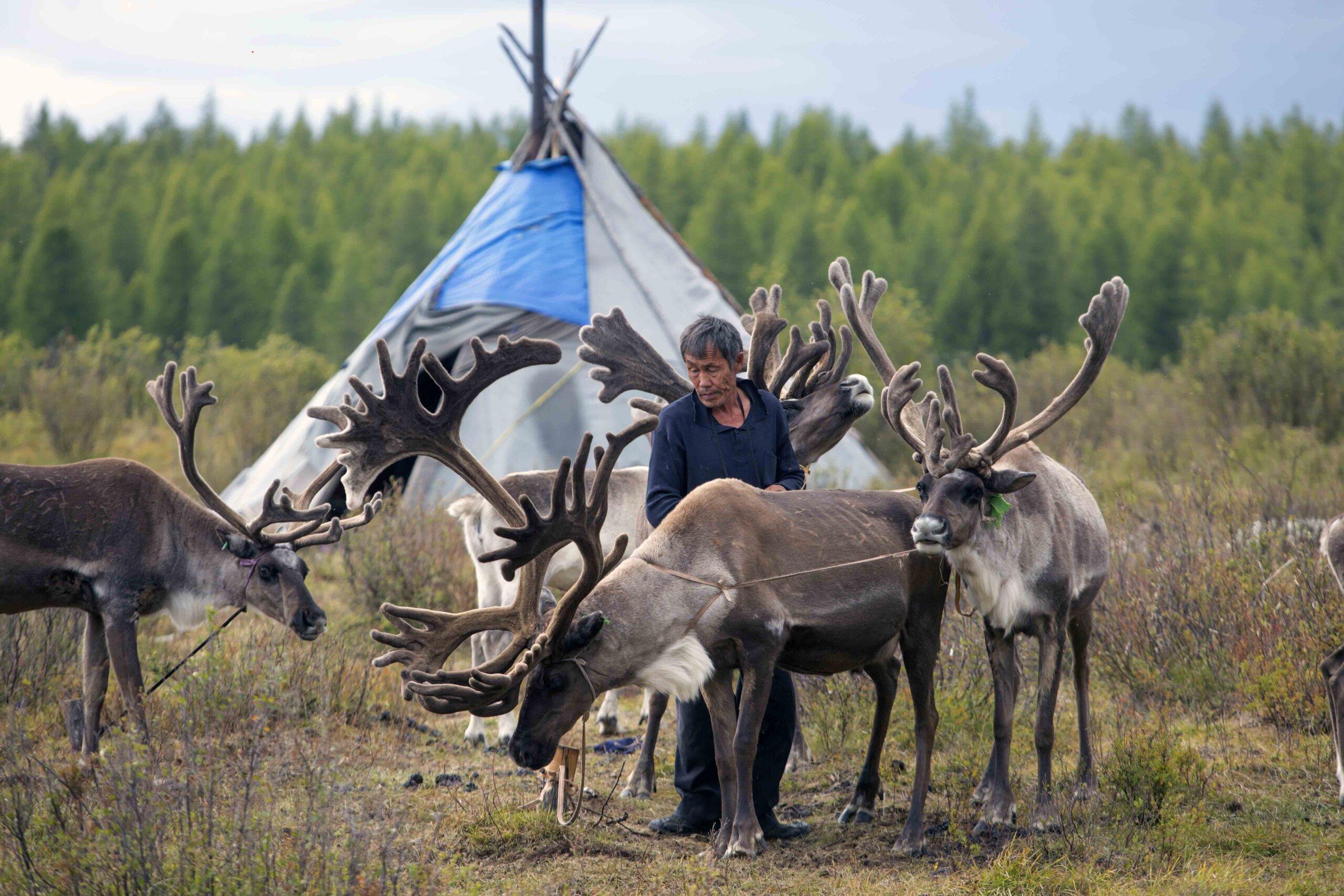
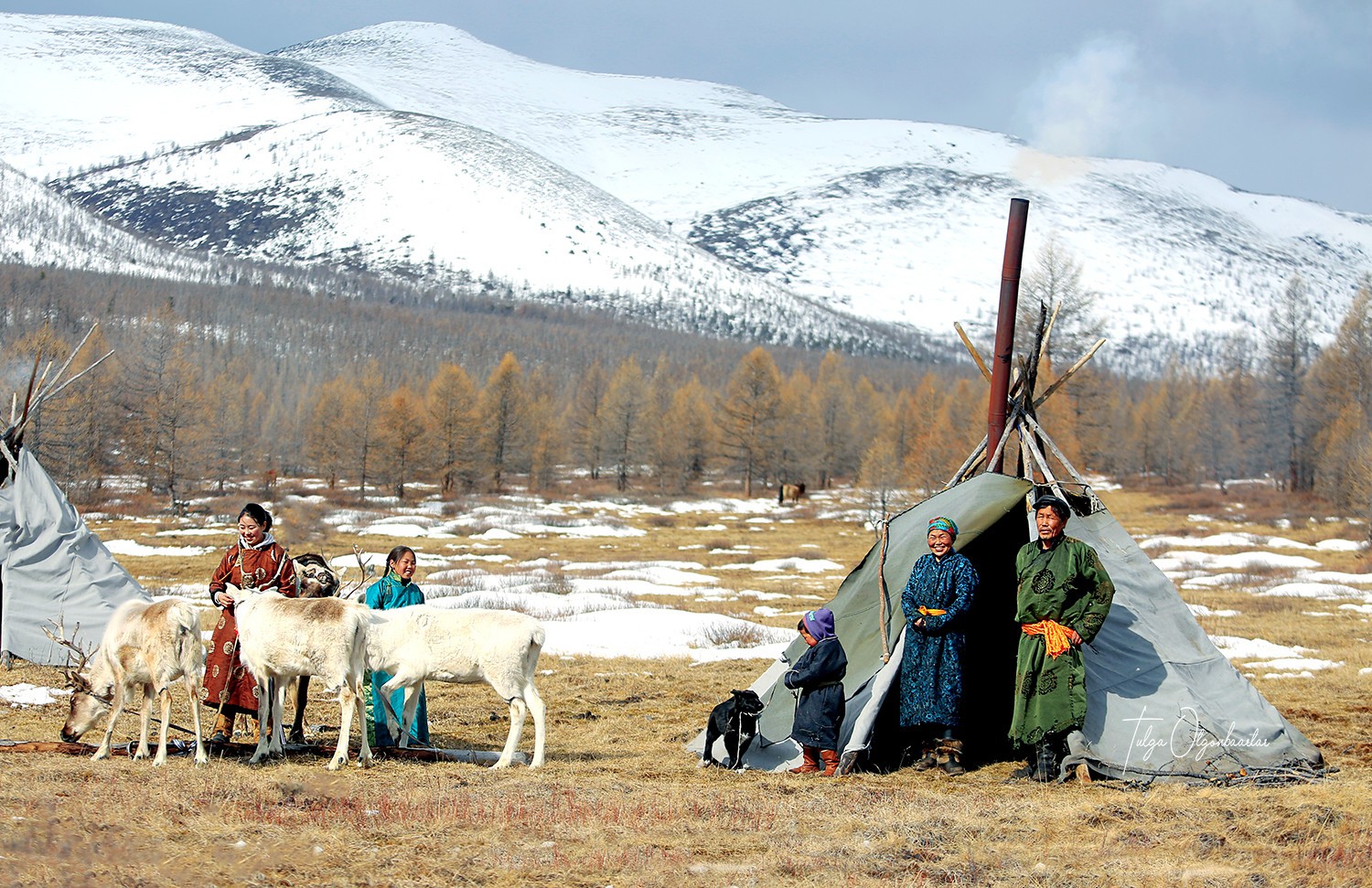
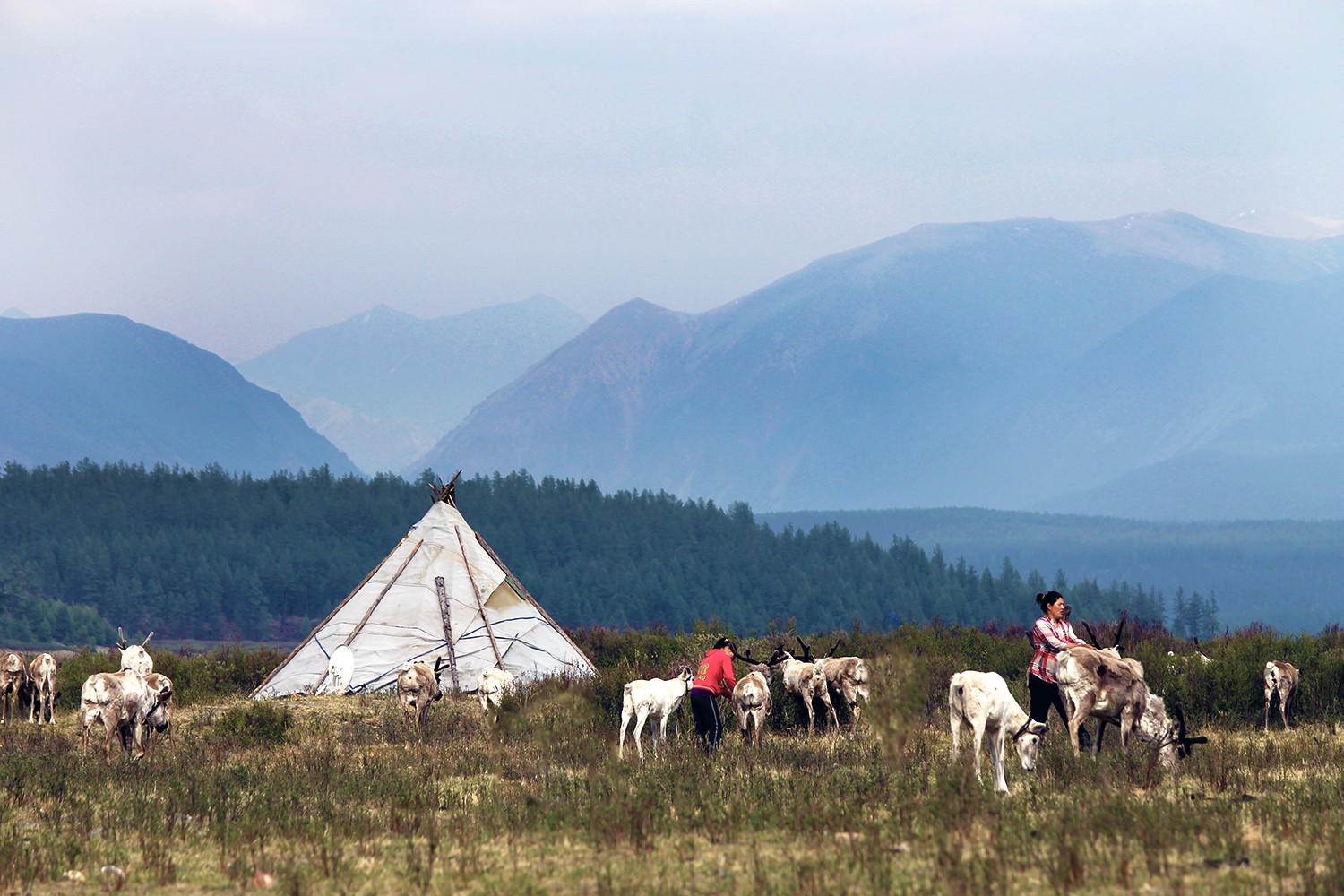
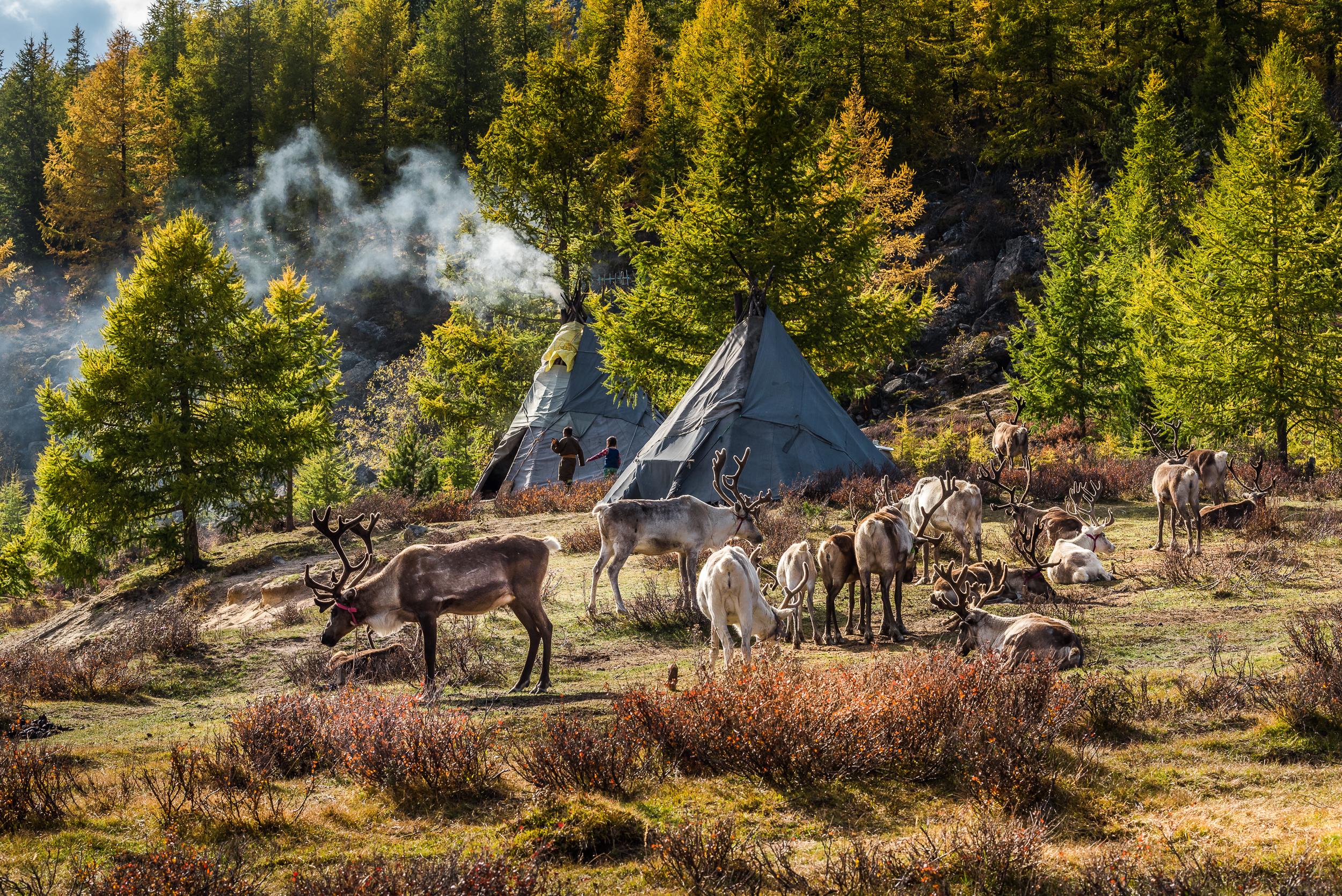
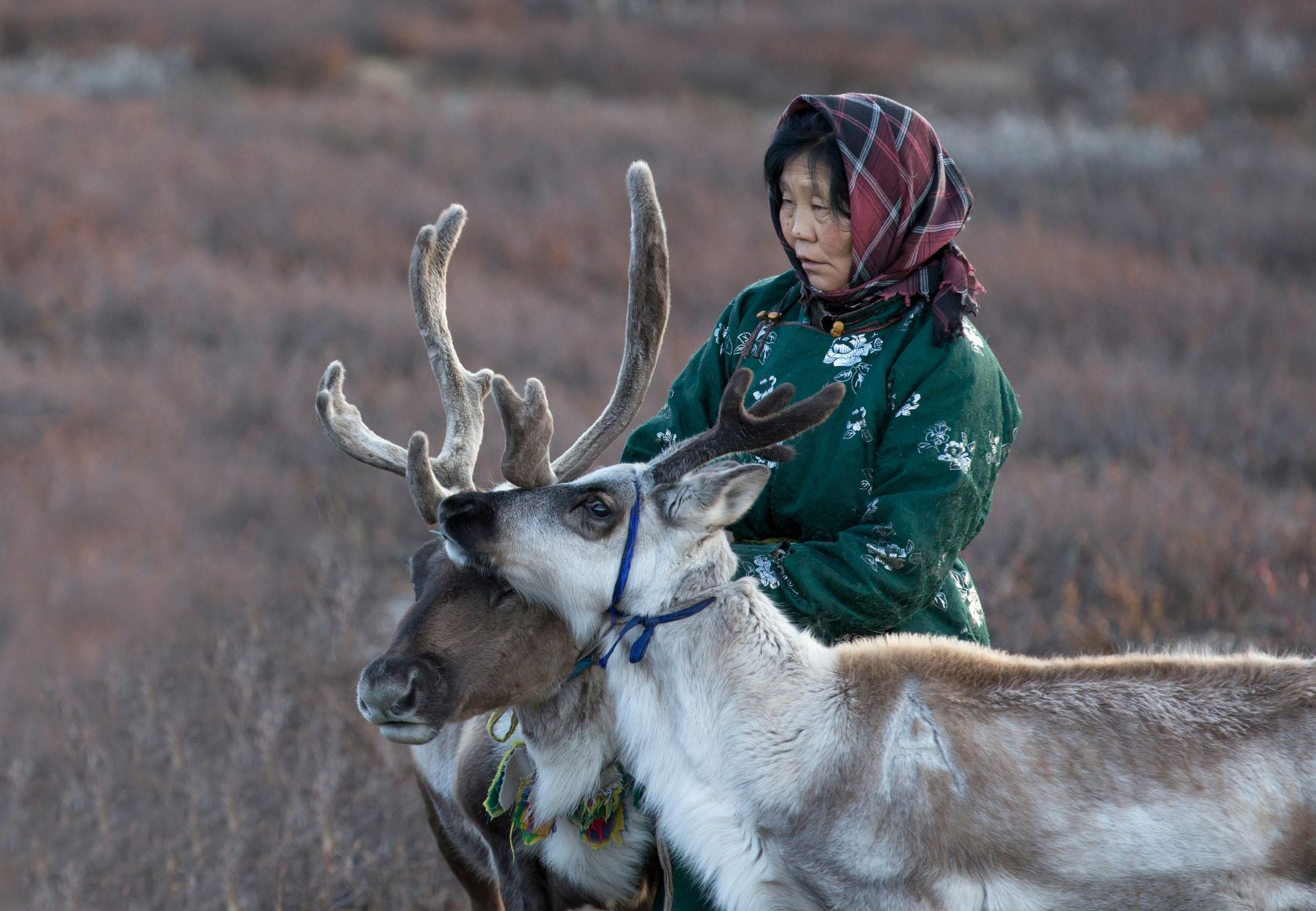
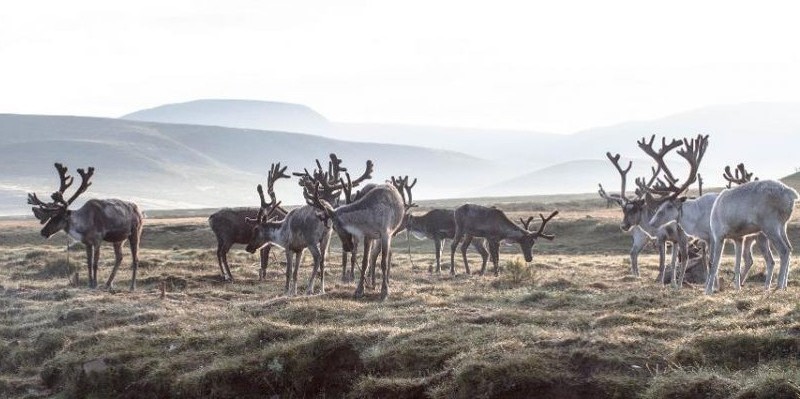
Beyond the lake, the terrain becomes more remote and forested. The taiga region in the far north supports unique communities, including reindeer herders who maintain a traditional way of life.
The region also plays an important role in larger water systems. Rivers flowing from here connect to northern systems that eventually reach the Arctic Ocean.
Travel in Northern Mongolia is slower and more focused on nature. Distances can be long, and access to remote areas often requires additional planning.
For travelers looking for a calm, green, and water-rich environment, this region provides a distinctly different experience.
Key Places
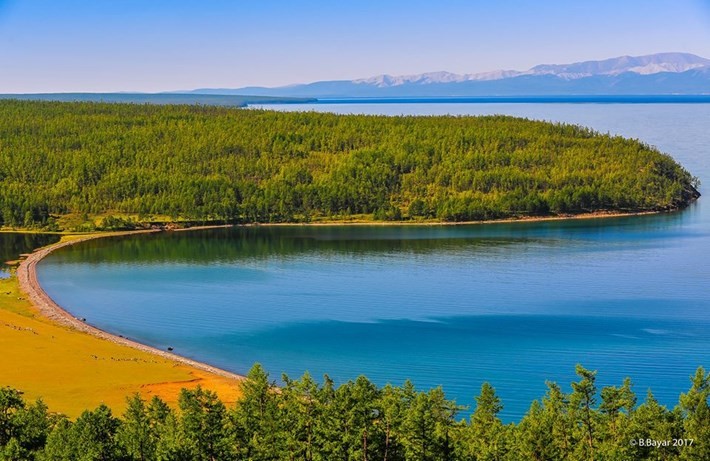
Lake Khövsgöl
A deep freshwater lake surrounded by forest and mountains. Known for clear water and remote natural surroundings.
Tsaatan Reindeer Camps
Seasonal camps of reindeer herding families in the taiga. One of the last remaining reindeer cultures in the world.
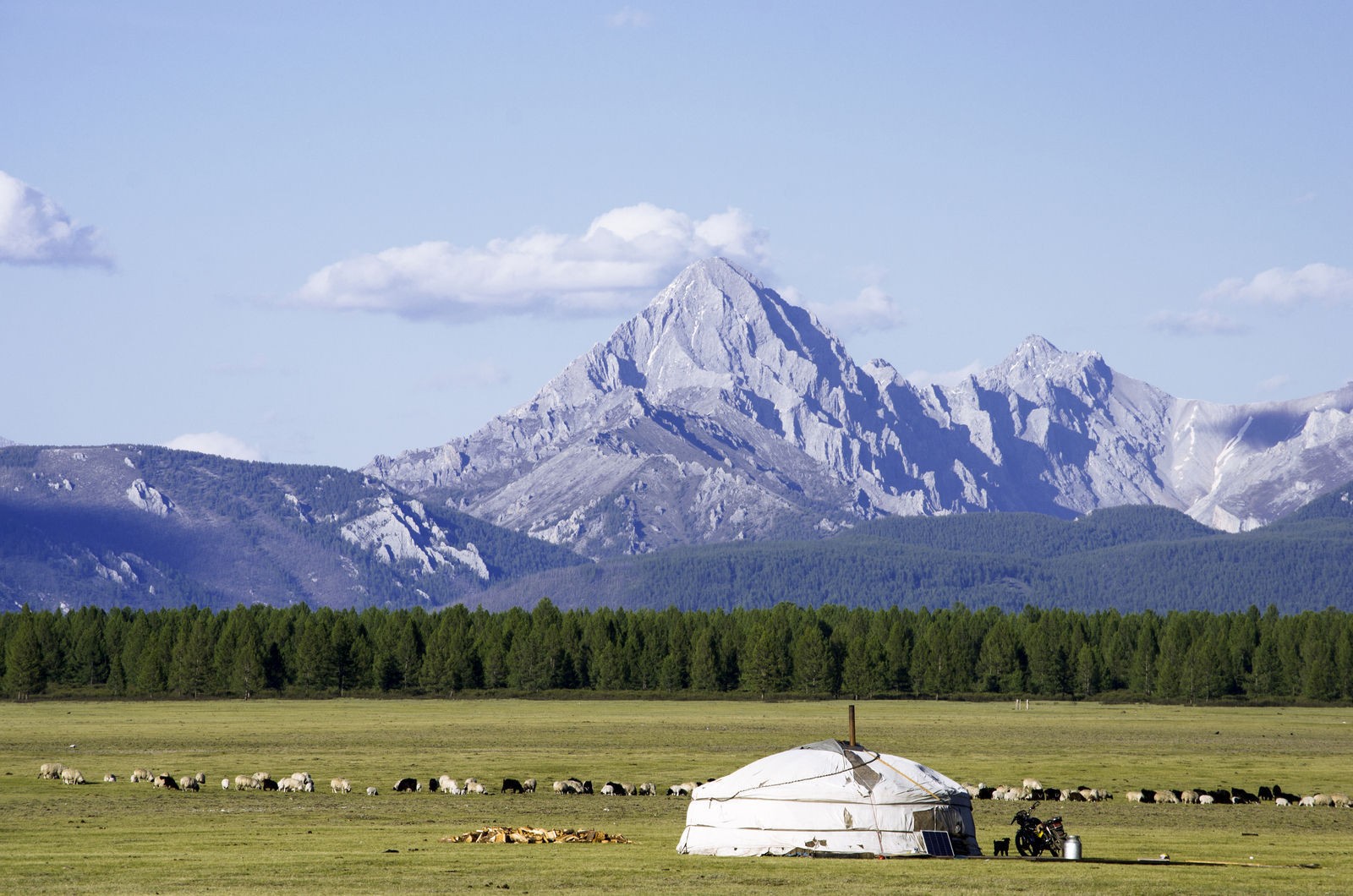
Darkhad Valley
A wide valley filled with rivers, lakes, and wetlands. Part of a system flowing north toward the Arctic Ocean.
Tengis River
A clear river flowing through remote northern terrain. Supports fish populations and surrounding ecosystems.
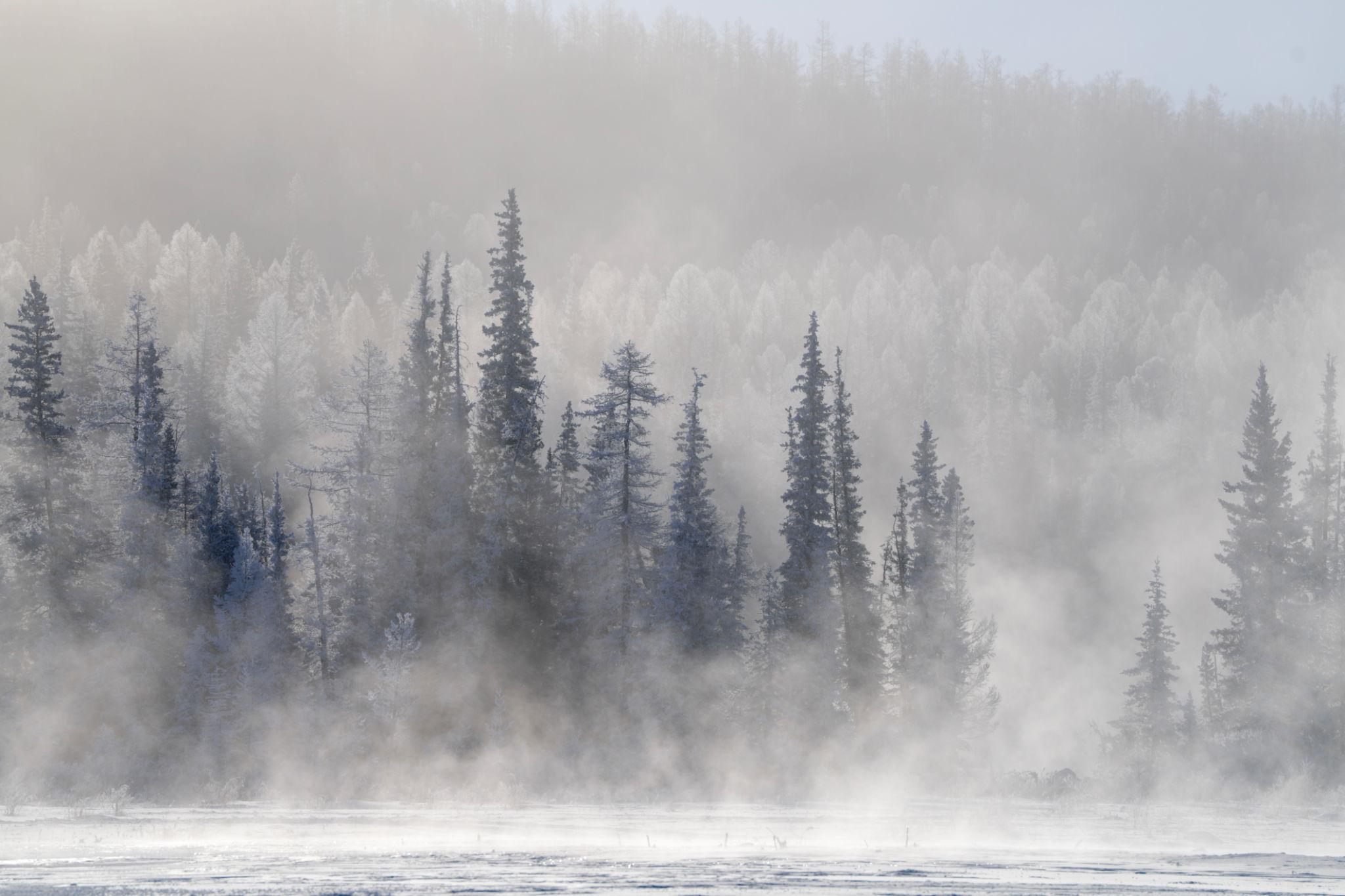
Shishged River
A pristine river running through forest and taiga landscapes. Known for clean water and minimal human impact.
Taiga Forest Region
Dense boreal forest covering the northern mountains. Accessible mainly by horse and slow travel routes.
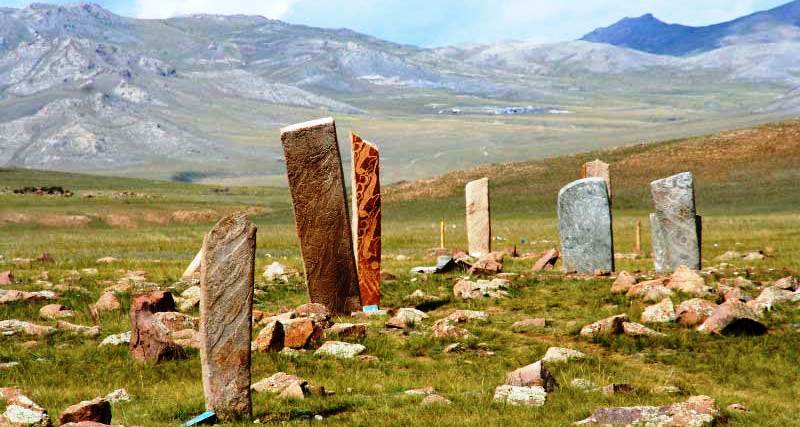
Ulaan Uushig Deer Stones
Ancient stone monuments over three thousand years old. Among the most significant archaeological sites in Mongolia.
Amarbayasgalant Monastery
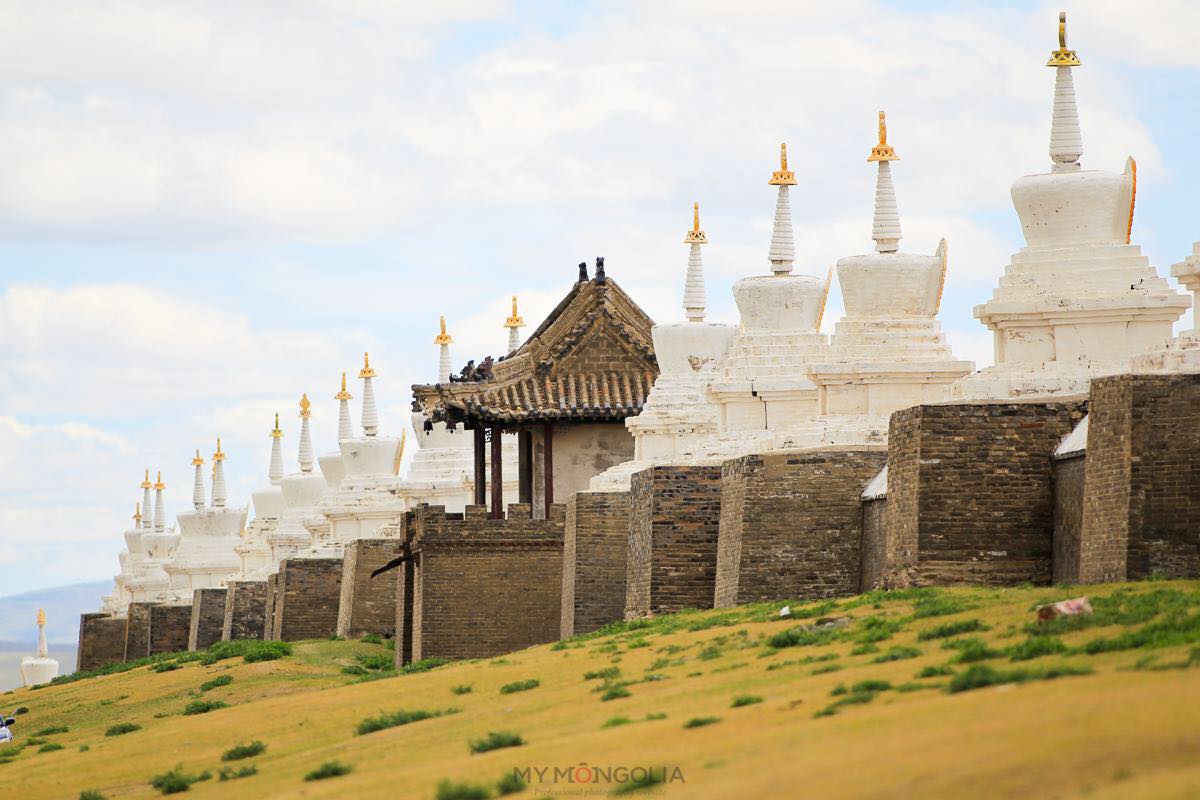
A large monastery located in a quiet northern valley. Known for preserved architecture and cultural importance.
Selenge River Basin
A green region of rivers, forests, and open landscapes. Very different in character from desert regions.
Khövsgöl Shoreline Camps
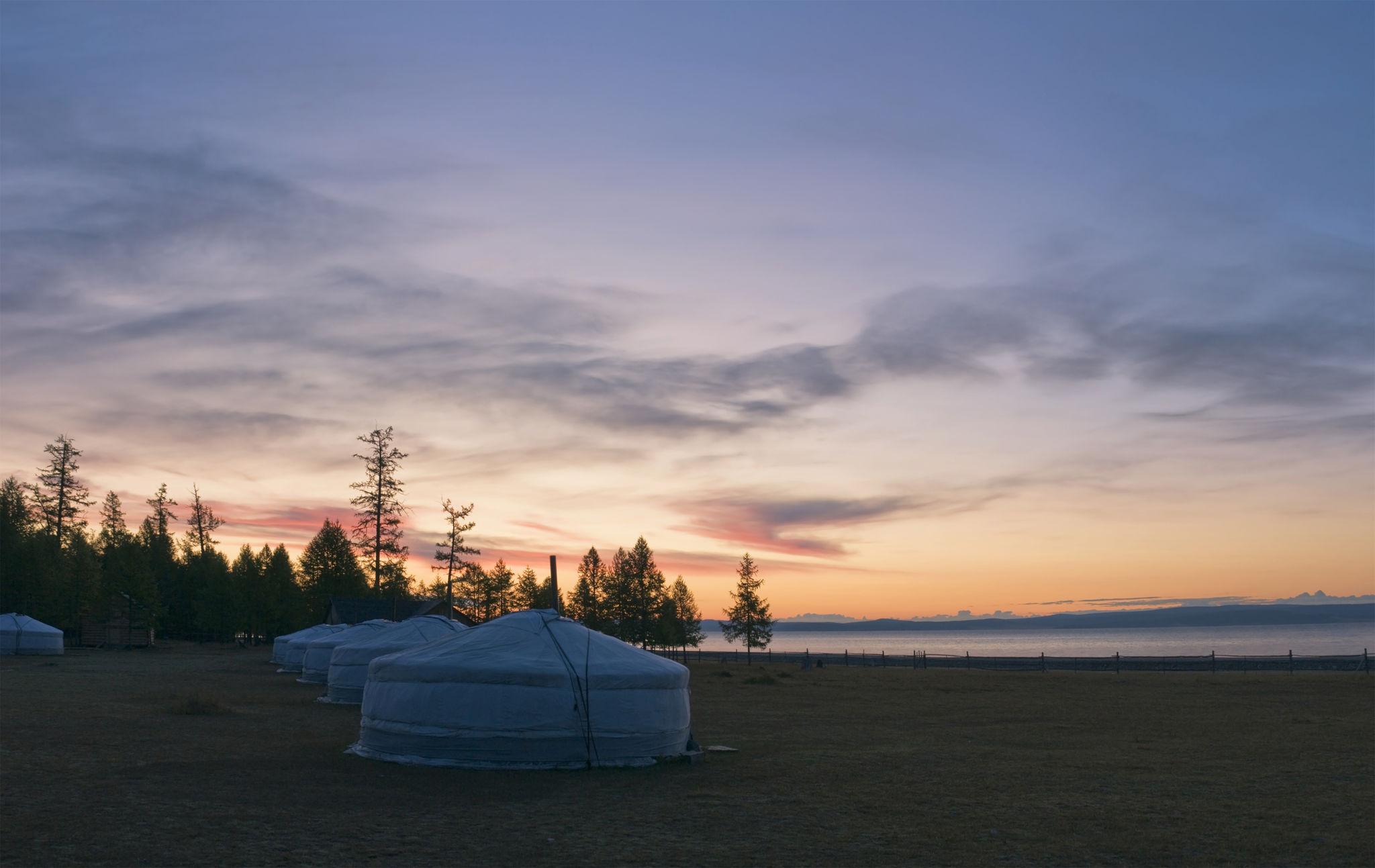
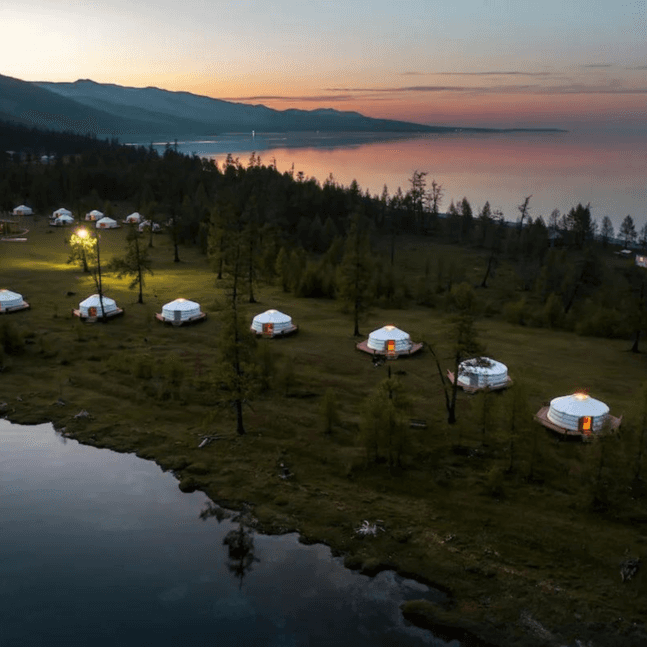
Lakeside camps offering direct access to water and forest. Ideal for quiet stays and slow exploration.
Taiga Horse Routes
Traditional paths used to reach remote northern communities. An essential part of travel deeper into the region.
Northern Wetlands
Seasonal wetland areas supporting birds and wildlife. Important ecosystems within the northern landscape.

Frequently Asked Questions