Endless grasslands, open horizons, and the historic birthplace of the Mongol Empire.
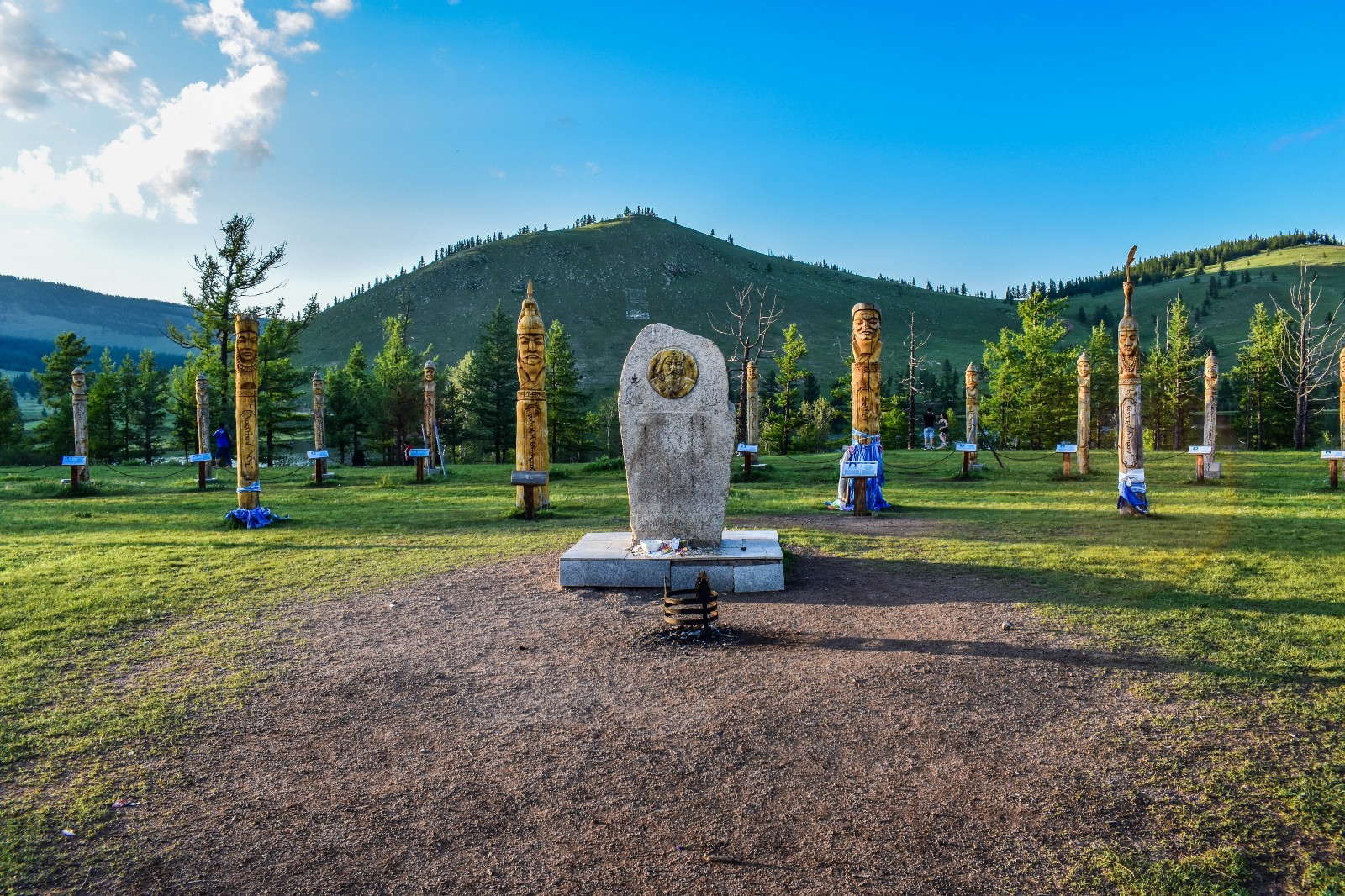
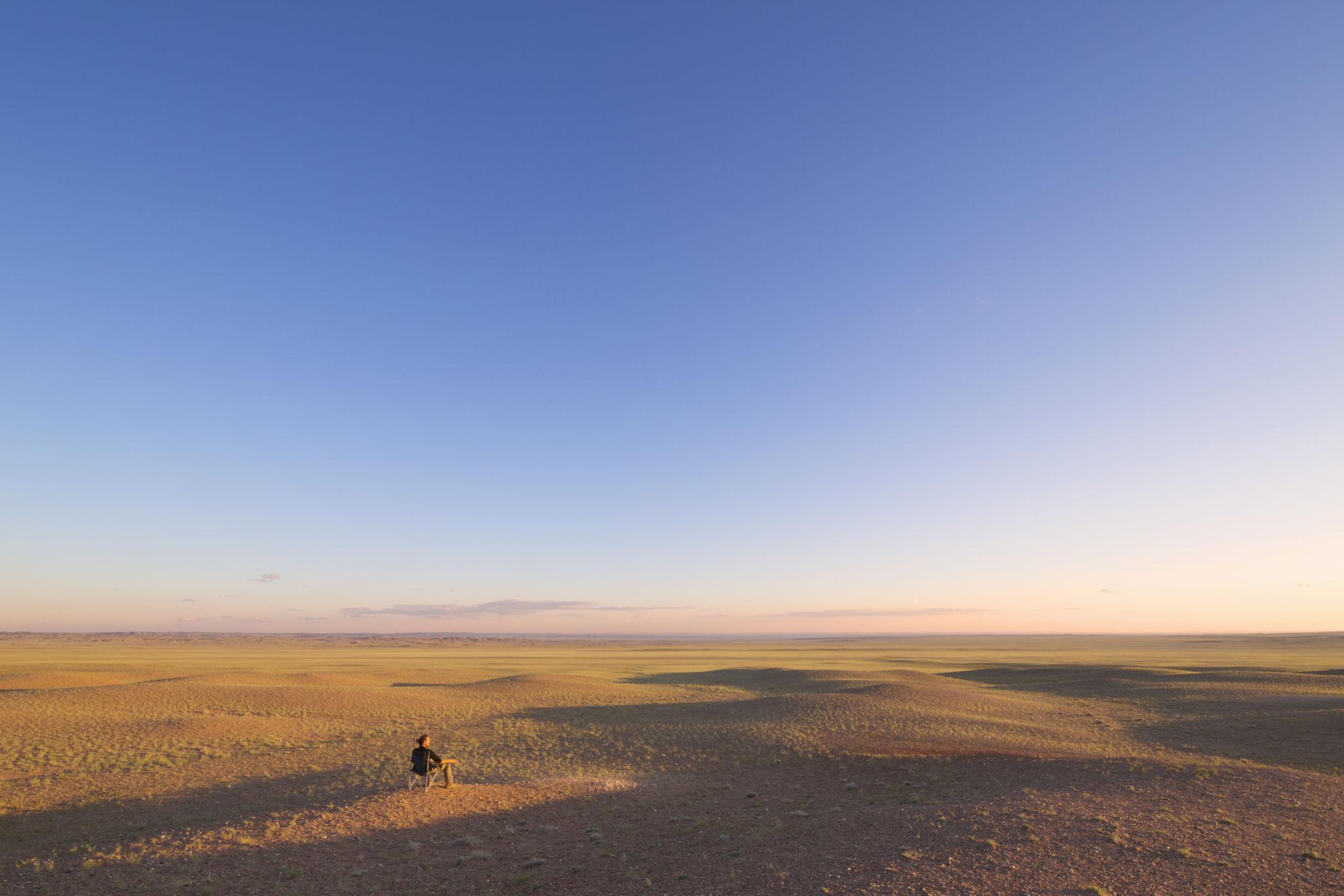
Eastern Mongolia is open.
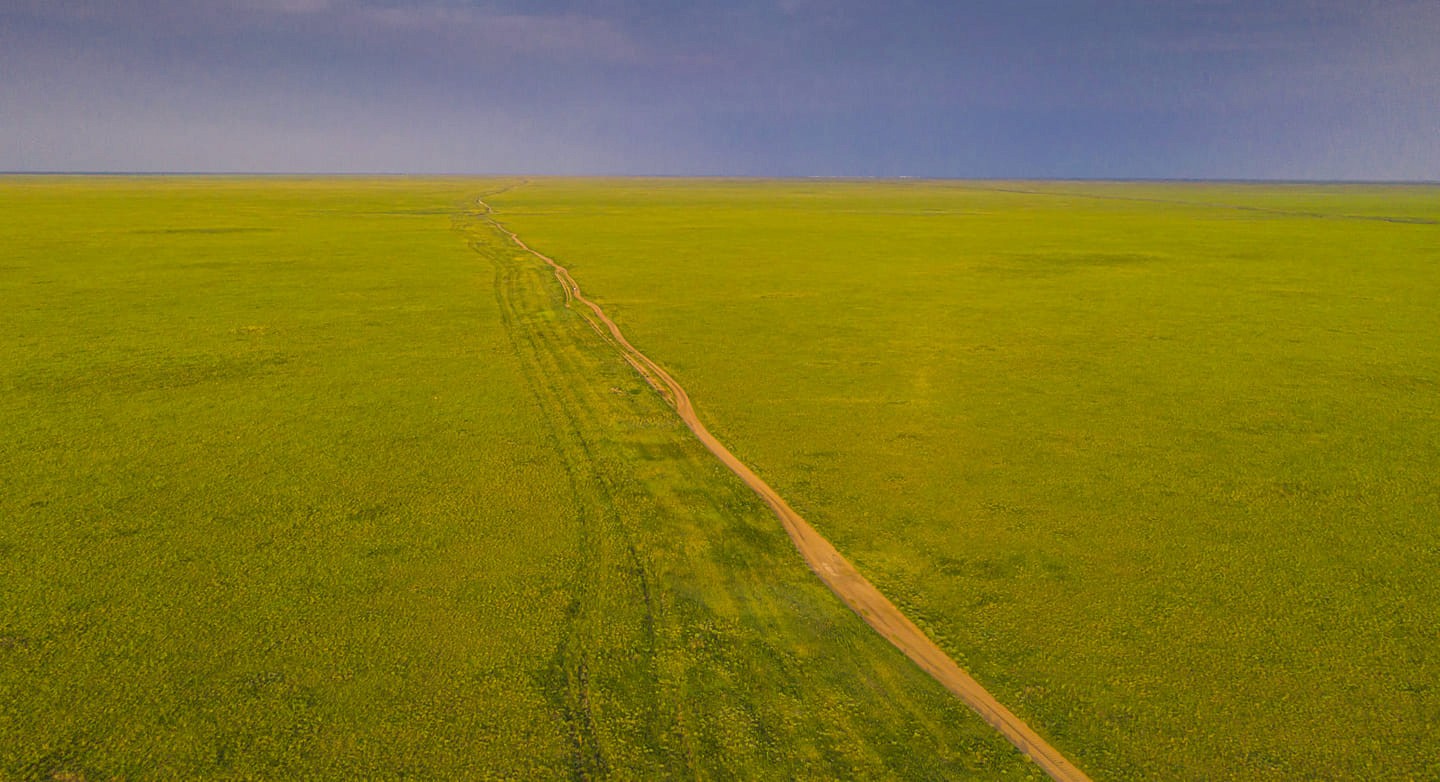
The land stretches without visible boundaries, forming one of the largest continuous steppe ecosystems in the world.
There are no mountains or forests to interrupt the view, only grassland meeting the sky.
This openness creates a strong sense of freedom and movement.
The region feels quiet, with minimal human presence and few settlements.
Historically, this is where the Mongol Empire began.
Important sites connected to early Mongolian history remain across the landscape.
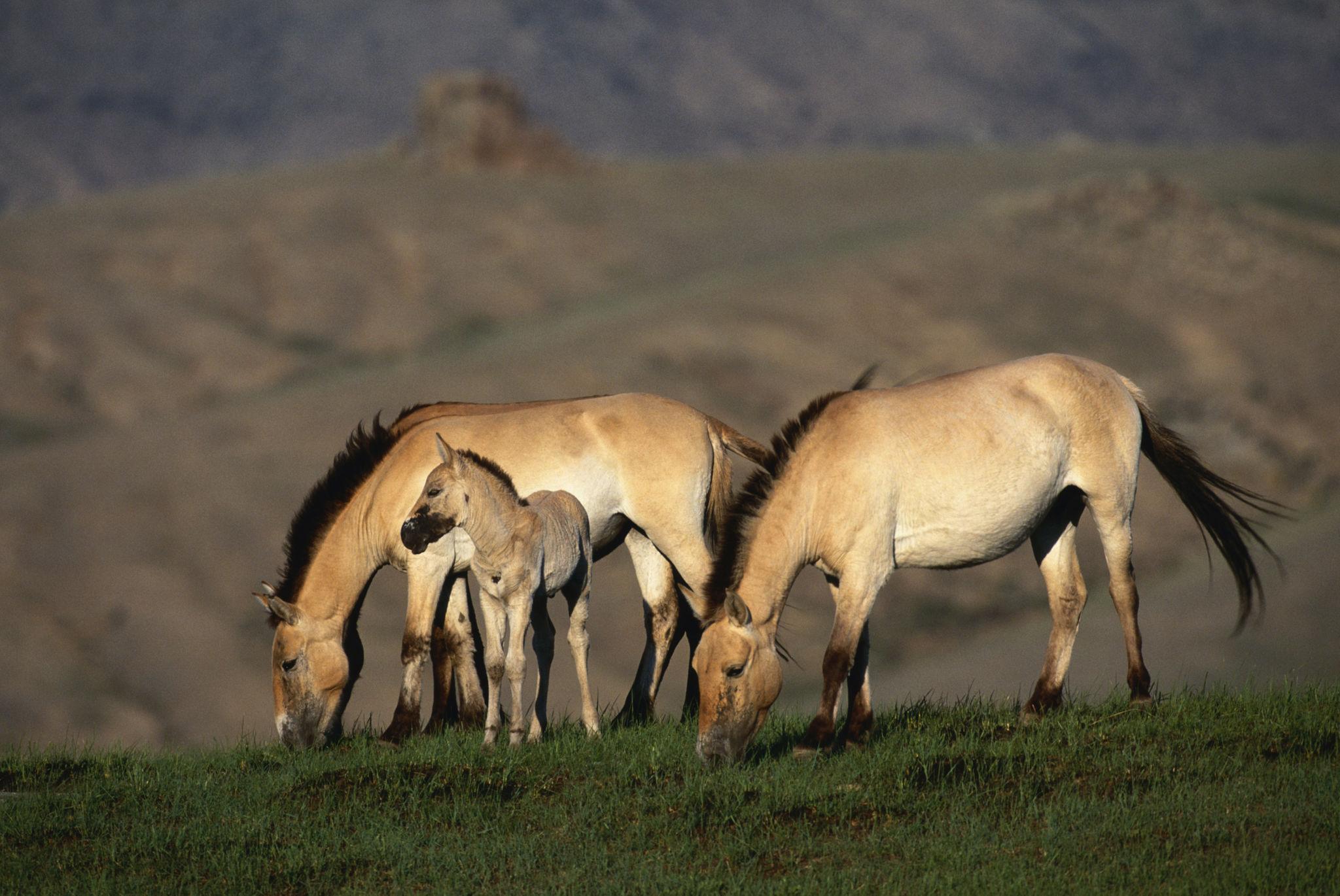
Wildlife moves freely across the steppe, with large herds migrating through the region.
Travel here is defined by distance and space, offering a simple but powerful experience.
For those seeking openness and connection to Mongolia’s origins, this region stands apart.
Eastern Mongolia (Steppe)
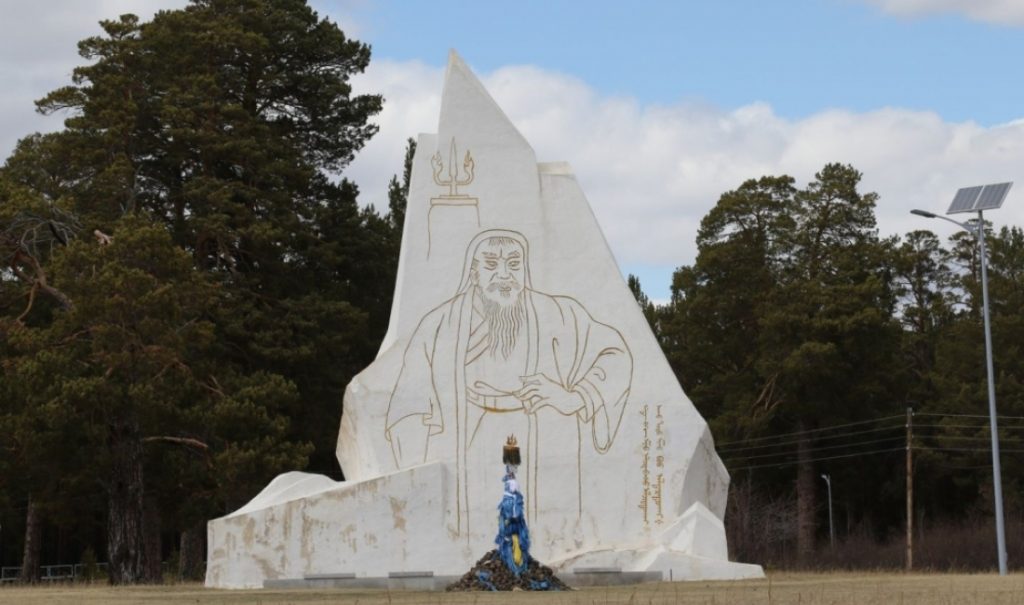

Eastern Mongolia is one of the largest intact grassland ecosystems in the world.
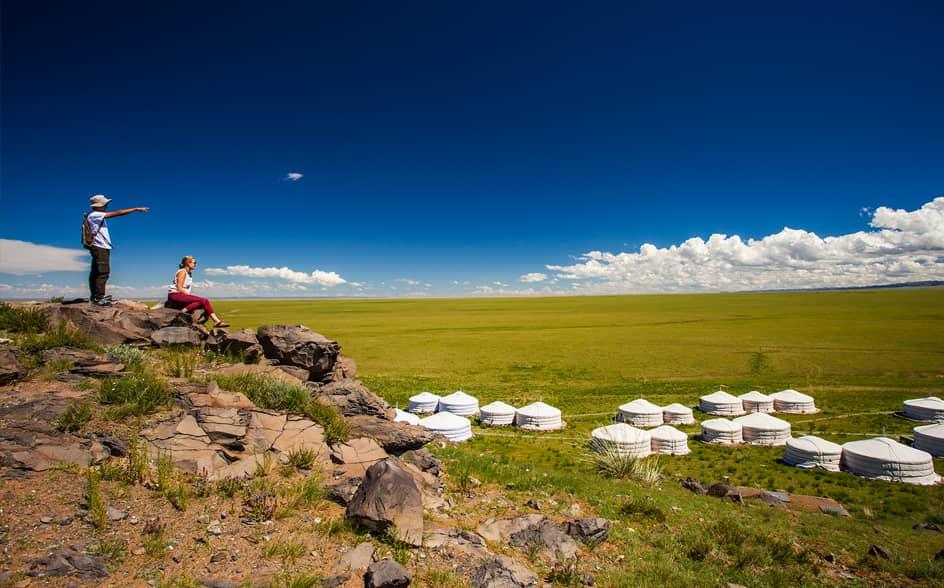
The region is defined by open steppe that stretches continuously across the horizon without natural barriers.
This landscape creates a strong sense of space and movement. Travel here is shaped by distance rather than terrain, with long routes across uninterrupted grassland.
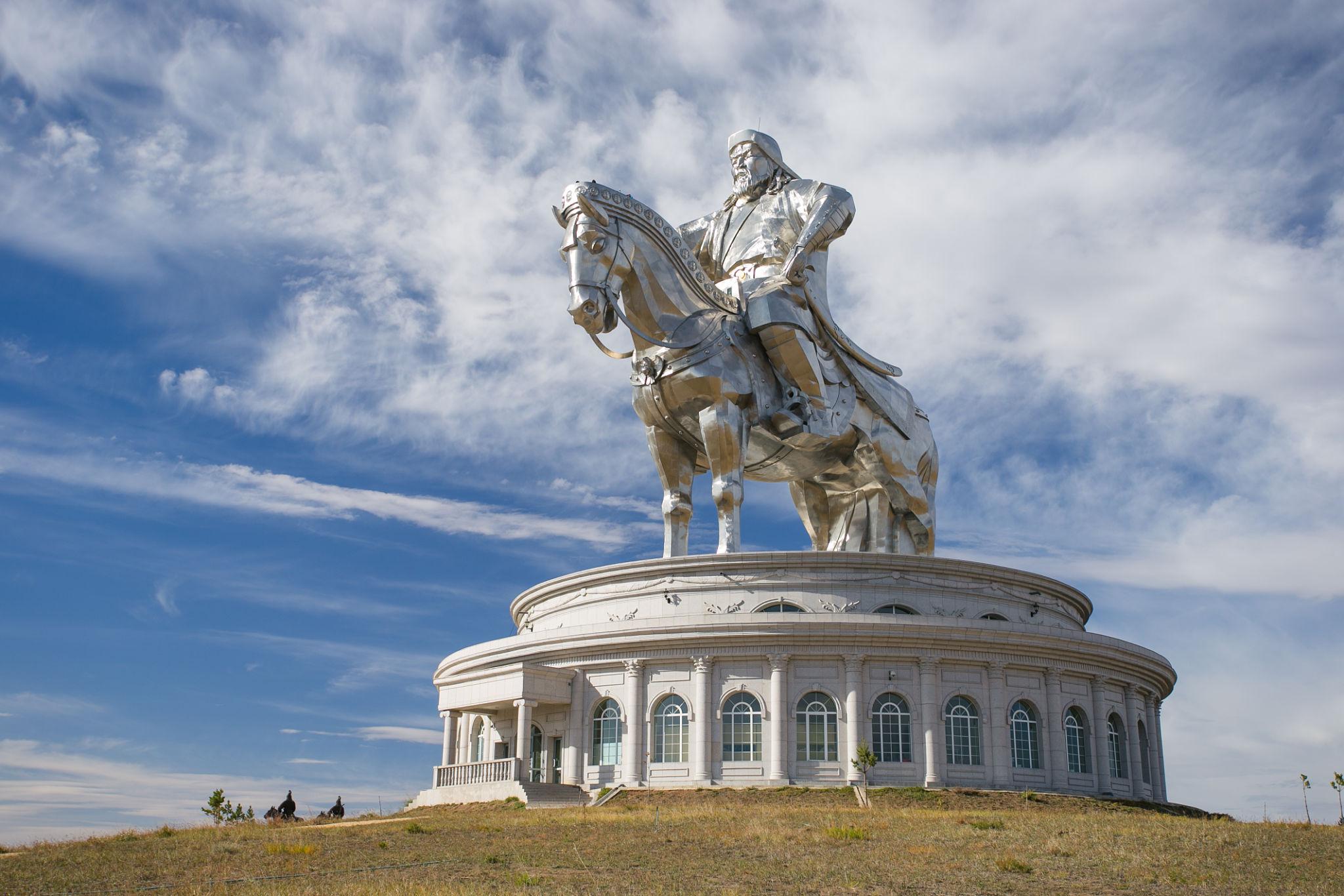
The region holds deep historical importance. It is considered the homeland of Genghis Khan and the origin of the Mongol Empire. Key sites connected to early Mongolian history are located in Khentii and surrounding areas.
Wildlife plays a major role in the ecosystem. Large herds of gazelles migrate across the steppe, making it one of the most significant wildlife regions in Mongolia.
Despite its size, the region remains lightly visited. Infrastructure is limited, and access requires planning.
For travelers seeking wide horizons, minimal human presence, and a connection to Mongolia’s origins, Eastern Mongolia offers a uniquely open and expansive experience.
Key Places
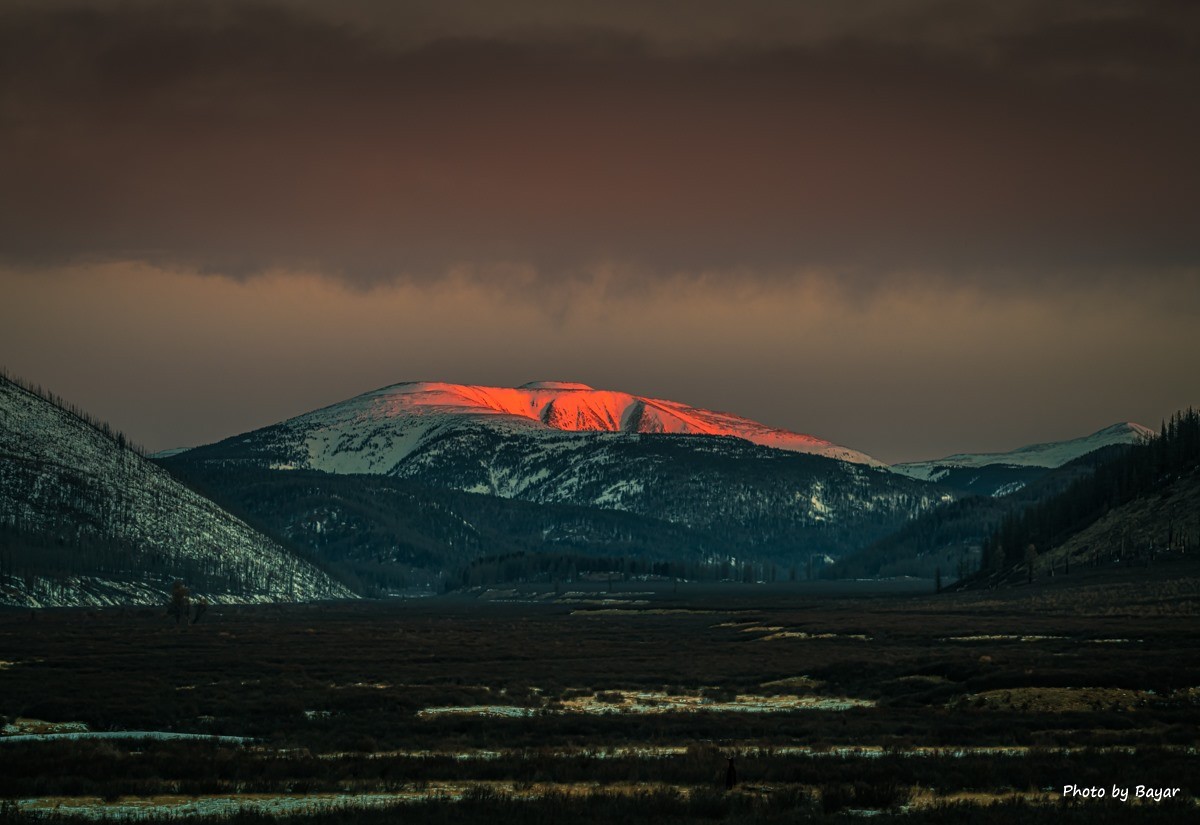
Khentii Mountains
A forested mountain region linked to the origin of the Mongol Empire. A sacred landscape with rivers and valleys.
Deluun Boldog
Considered the birthplace of Genghis Khan. A quiet and symbolic historical location.
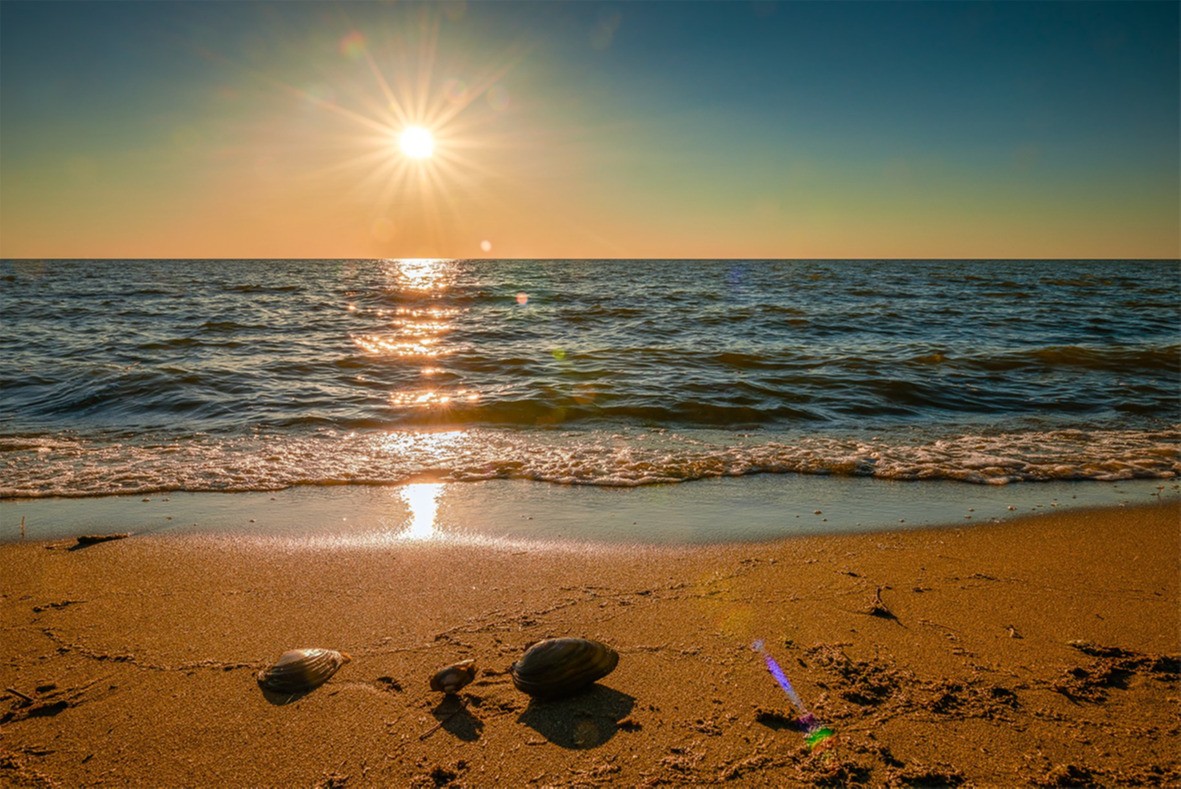
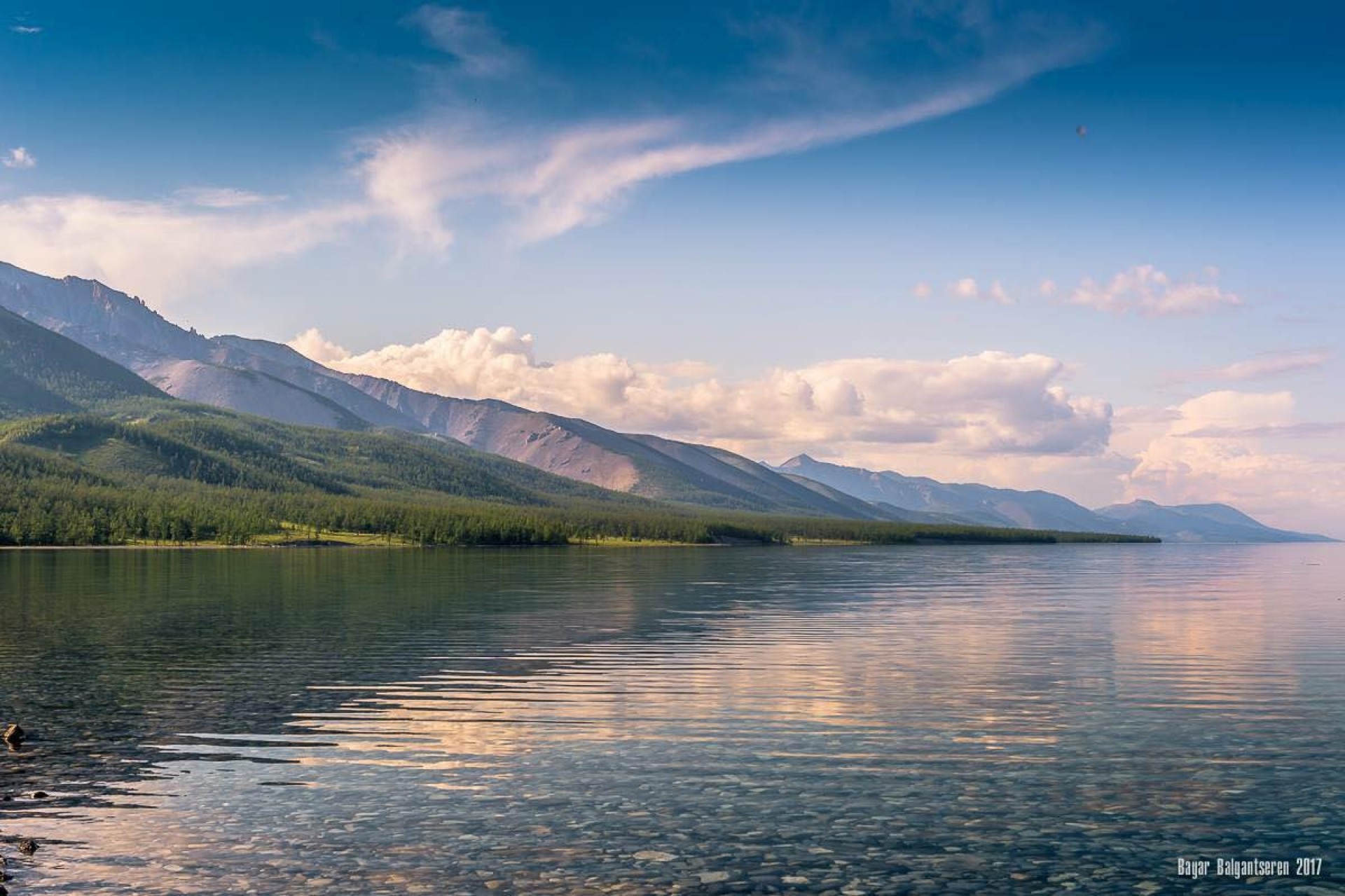
Buir Lake
A large freshwater lake known for birdlife and open surroundings. Calm, remote, and lightly visited.
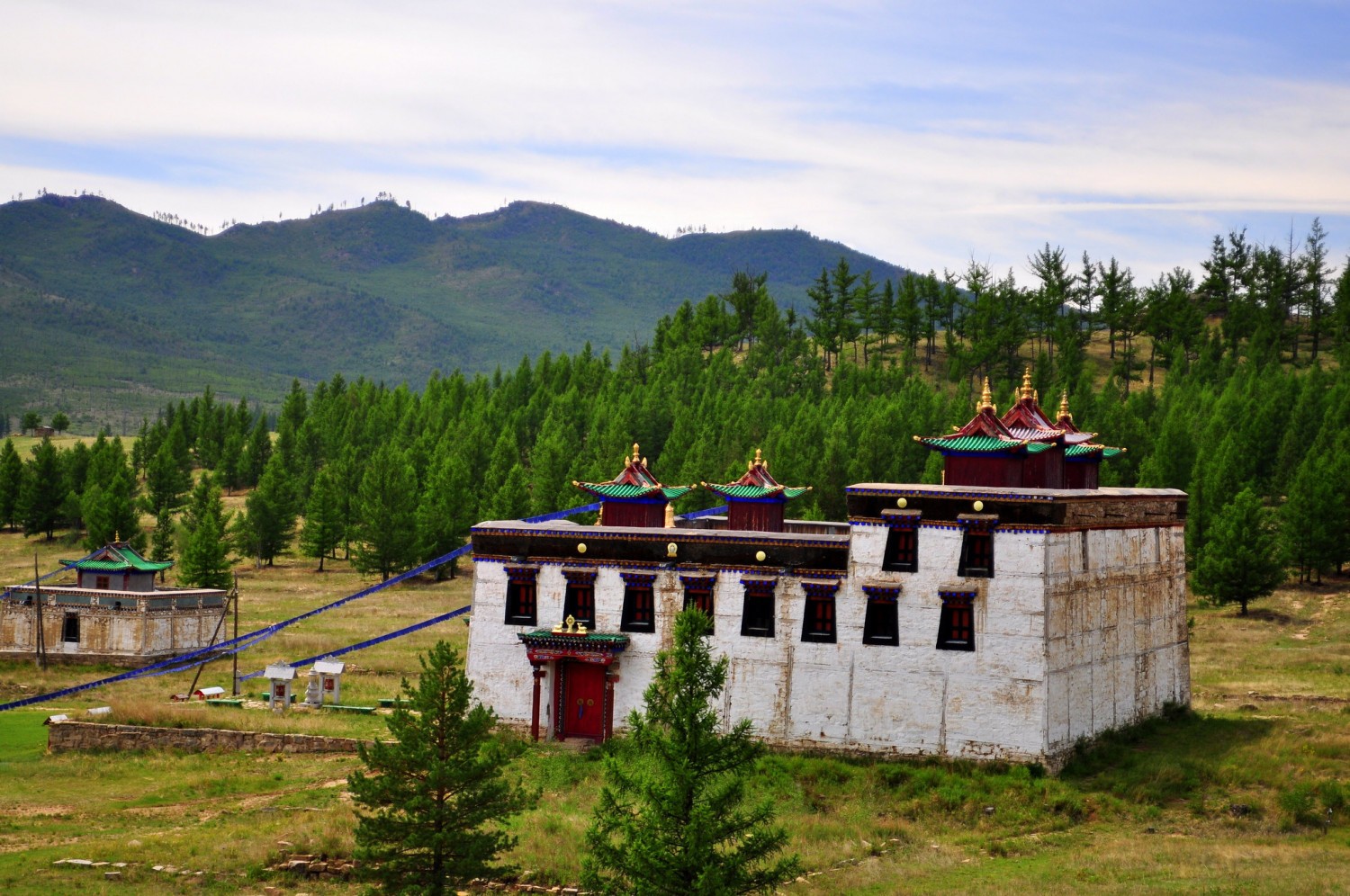
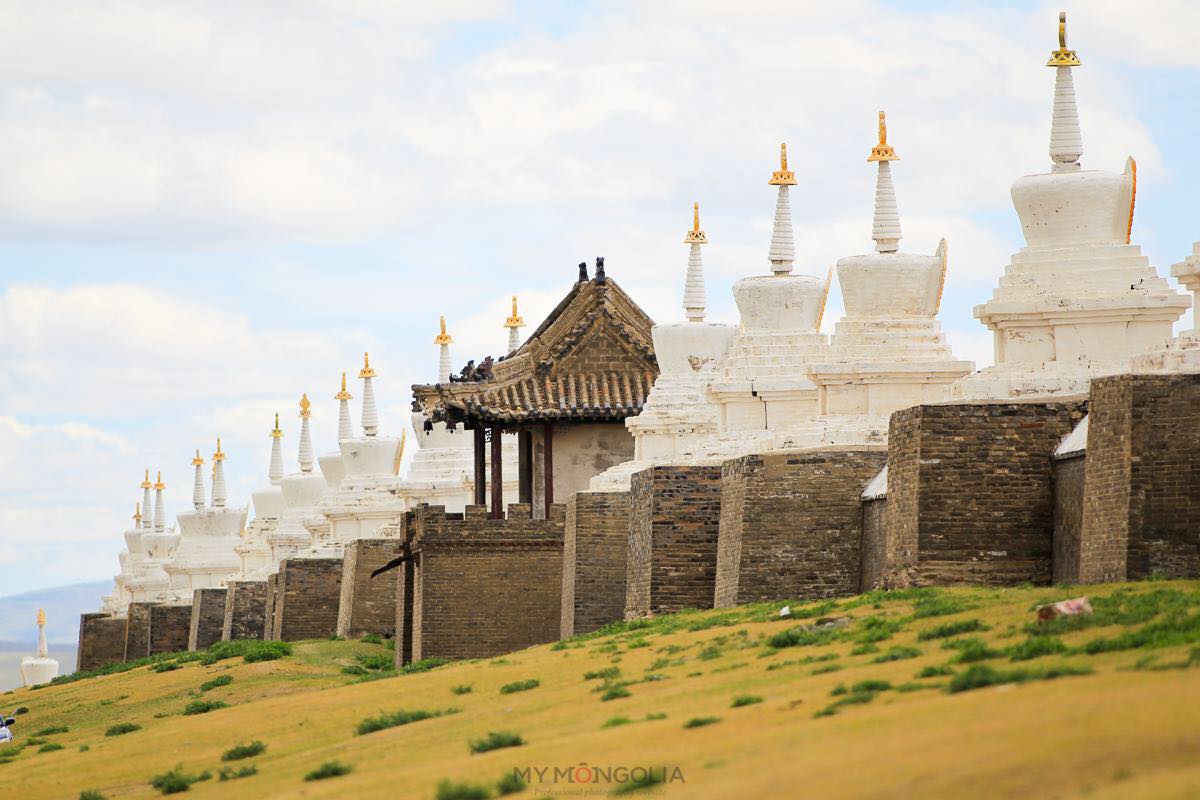
Baldan Bereeven Monastery
Ruins of a major monastery set within mountain terrain. A place of history and reflection.
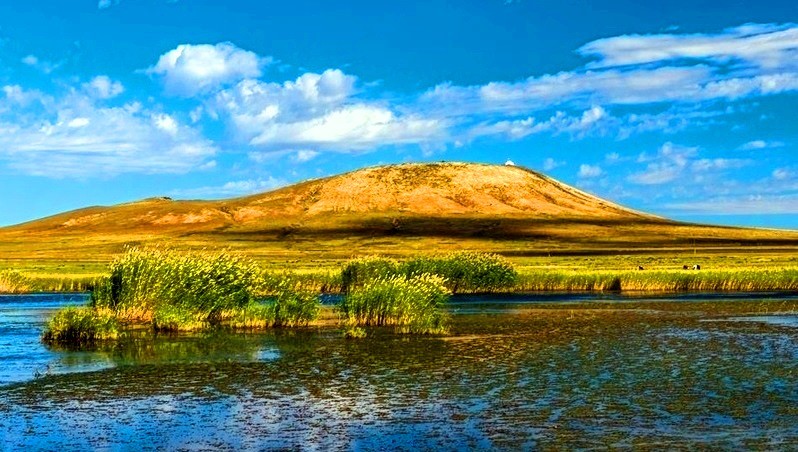
Dariganga Volcanic Field
A region of extinct volcanoes and unique formations. One of the most unusual landscapes in eastern Mongolia.
Toson Khulstai Nature Reserve
A protected area supporting large herds of gazelles. One of the best wildlife regions in the country.
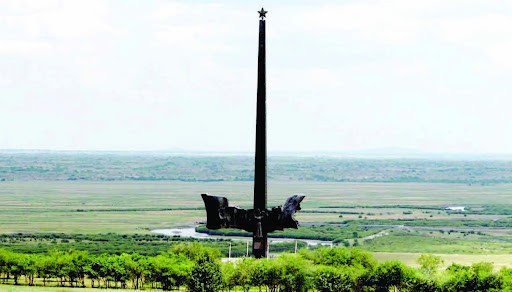
Khalkh Gol
A historic battlefield from the early twentieth century. An important site in regional history.
Khökh Lake
A quiet lake connected to early Mongolian history. Known for its remote and symbolic setting.
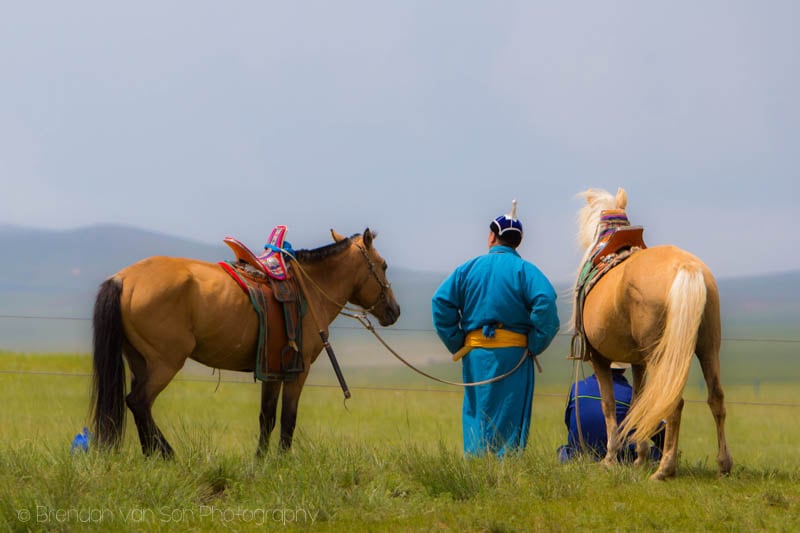
Dornod Open Steppe
A vast uninterrupted grassland landscape. Defines the character of eastern Mongolia.
Nomadic Steppe Camps
Seasonal camps spread across the open landscape. Offer insight into traditional daily life.
Steppe Wildlife Zones
Regions where wildlife moves freely across open terrain. Important for observing natural migration patterns.
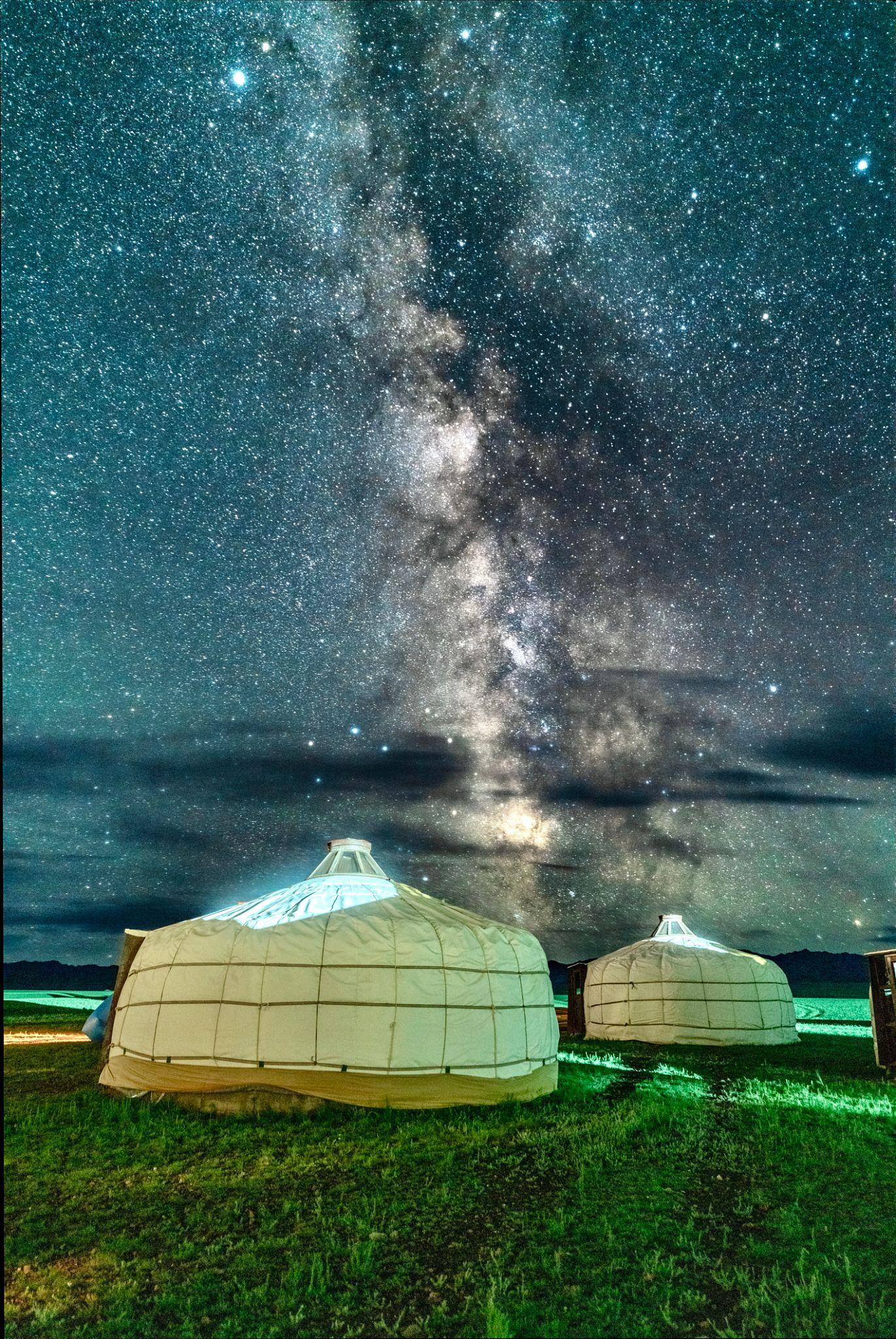
Steppe Night Sky
Clear skies with minimal light pollution. Wide horizons continue even after sunset.

Frequently Asked Questions