Where Mongolia’s landscapes, culture, and history come together in one accessible region.
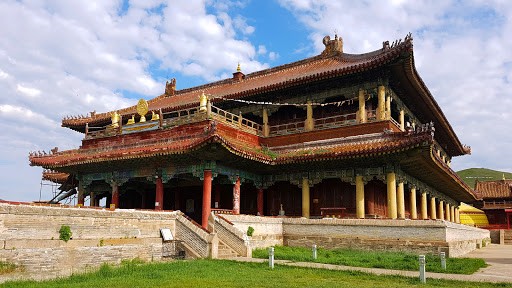
Central Mongolia is where Mongolia begins.
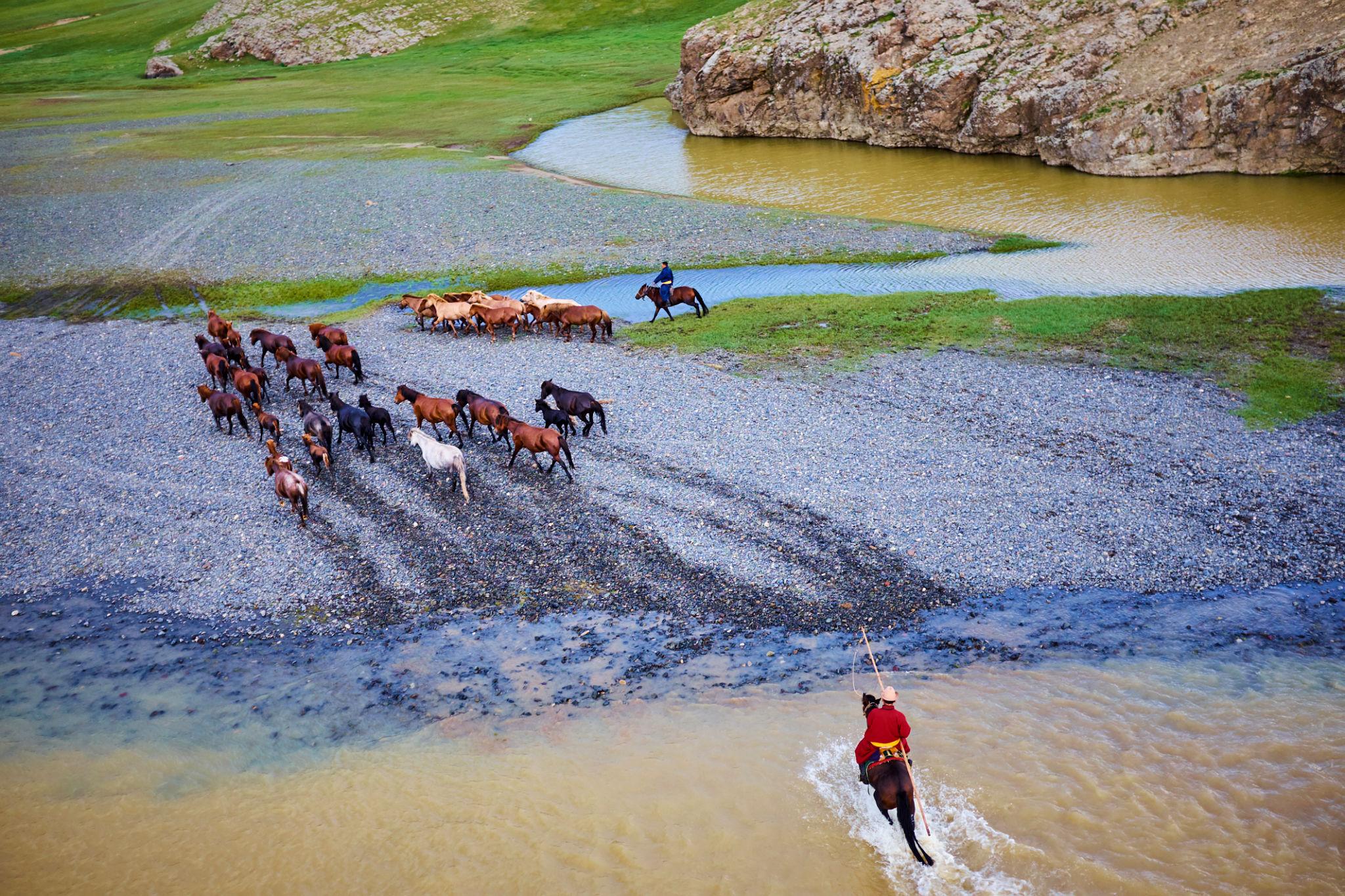
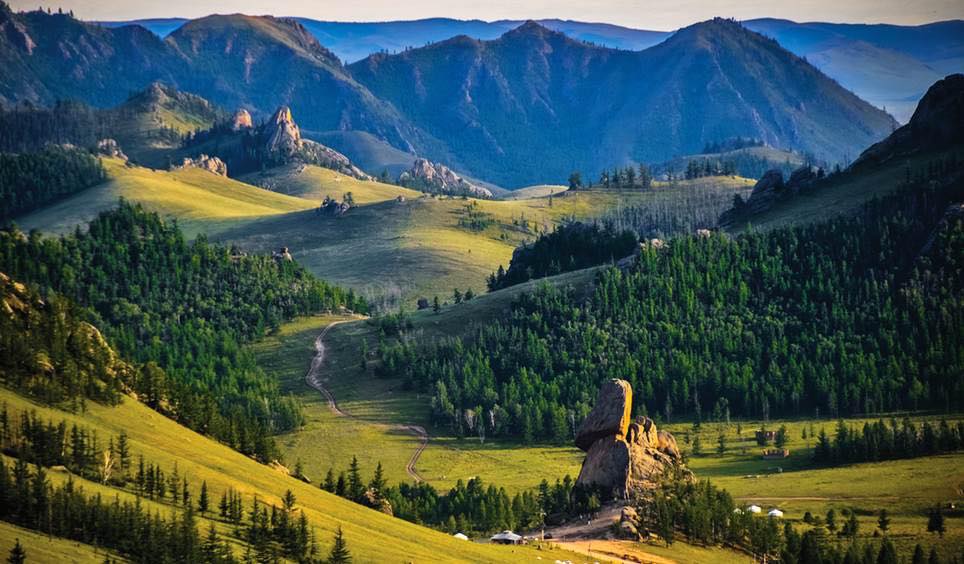
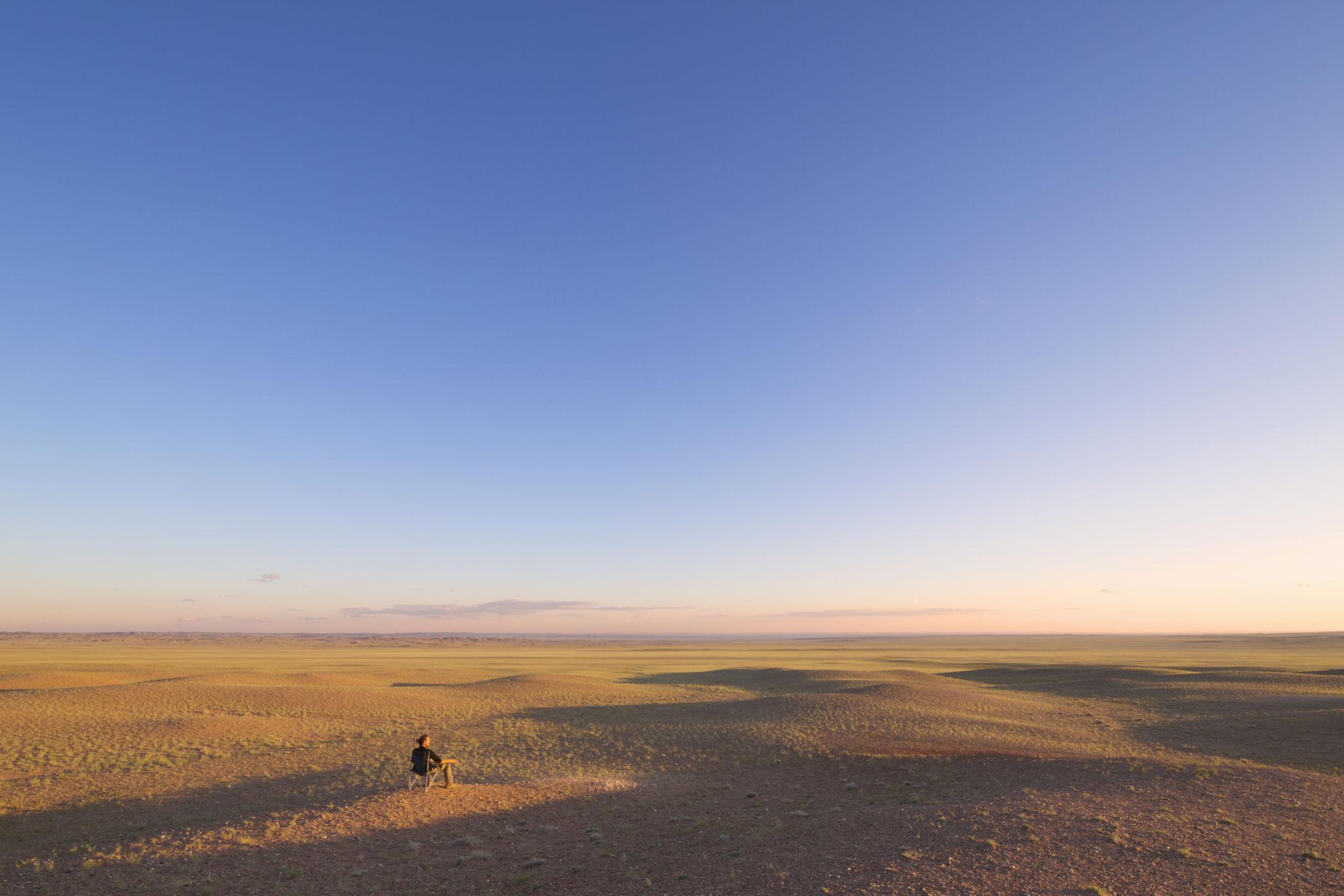
The land opens wide into steppe, crossed by rivers and framed by distant mountains.
As you travel, the scenery changes gradually — grassland gives way to forest, valleys open into plains, and volcanic landscapes appear along the way.
This is a region where movement feels natural and continuous.
It is also where history and daily life exist side by side.
Ancient capitals, monasteries, and archaeological sites remain across the land, while nomadic families continue to live and move as they have for generations.
Nothing feels staged or separated.
Travel here is steady and balanced, offering a clear introduction to the country.
If you want to understand Mongolia, this is where everything starts to connect.
Central Mongolia


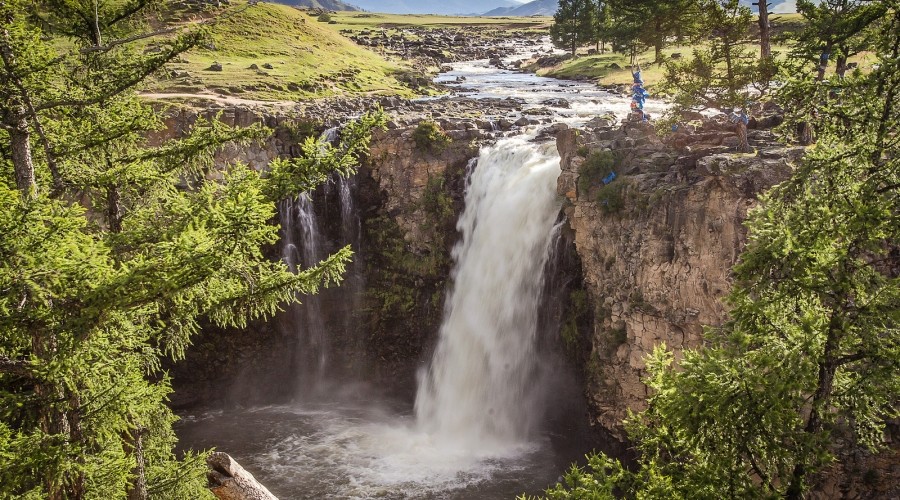
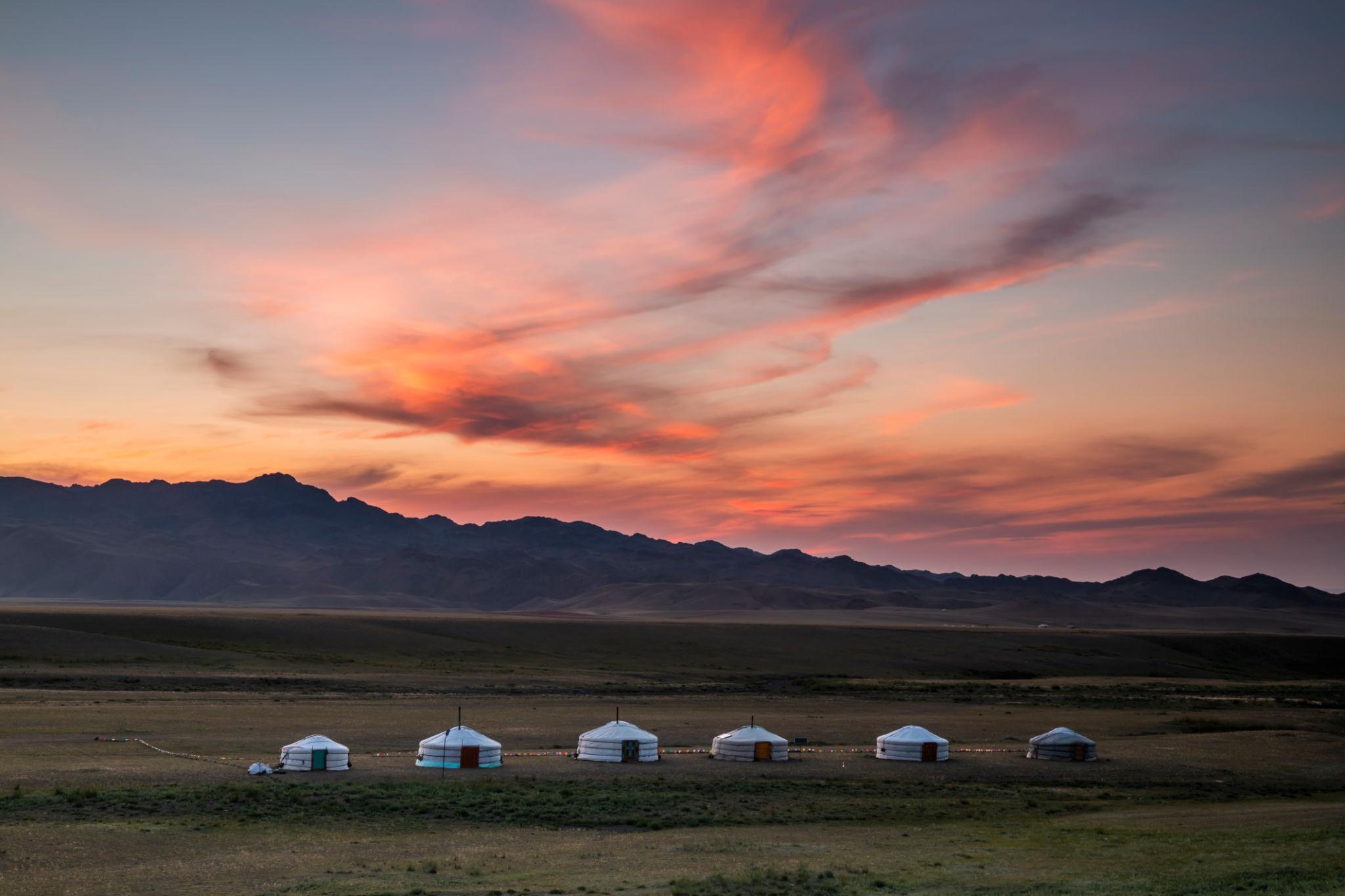
Central Mongolia is the most accessible and diverse region of the country.
Located within a day’s drive from Ulaanbaatar, it includes Töv, Arkhangai, Övörkhangai, and parts of Bayankhongor.
The landscape changes continuously as you travel. Open steppe is crossed by rivers, forested hills appear in the distance, and volcanic formations shape parts of the terrain. This variety allows travelers to experience multiple environments without long distances between them.
Historically, the region is central to Mongolia’s identity. Kharkhorin, once the capital of the Mongol Empire, is located here, along with important monasteries and archaeological sites that reflect centuries of cultural development.
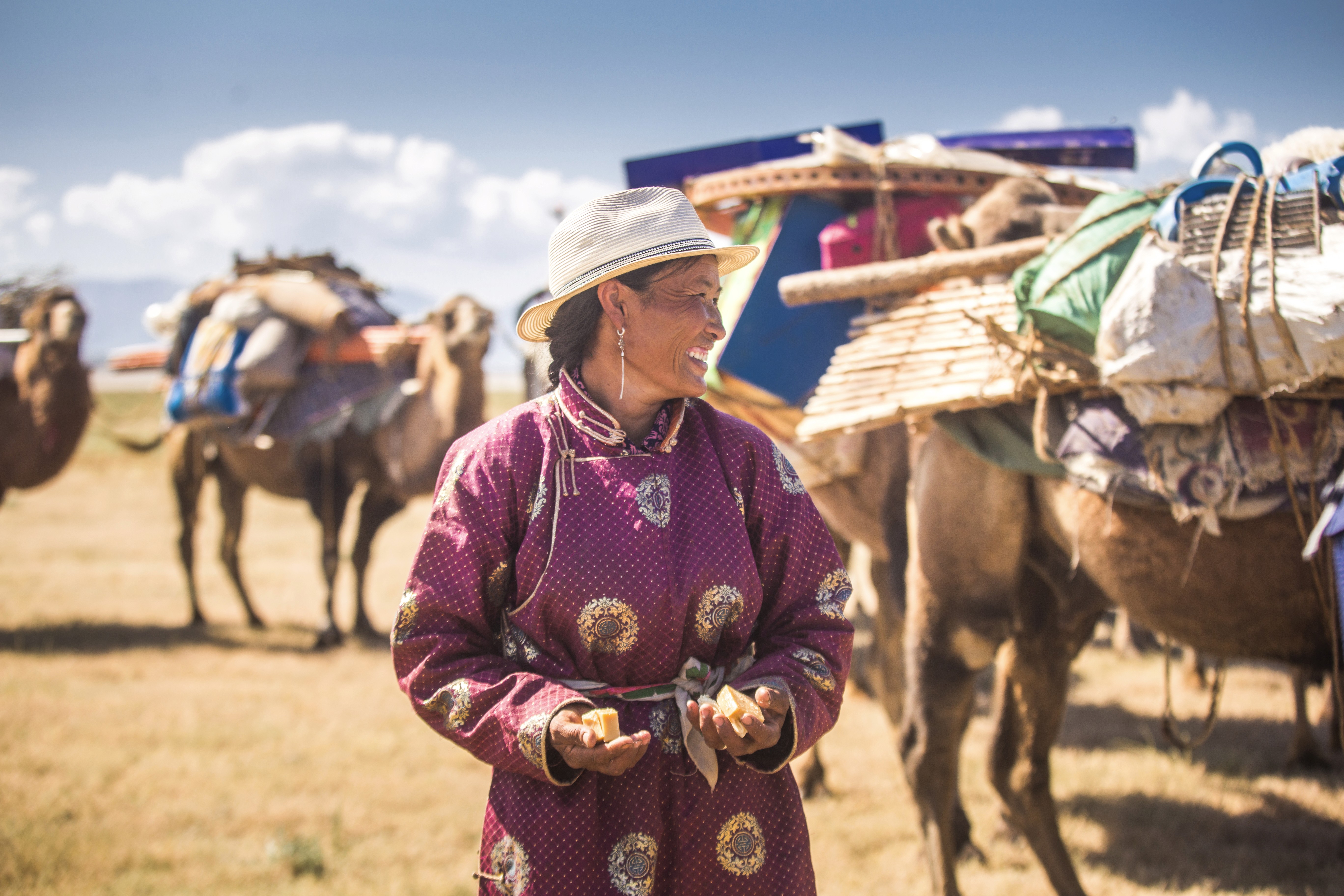
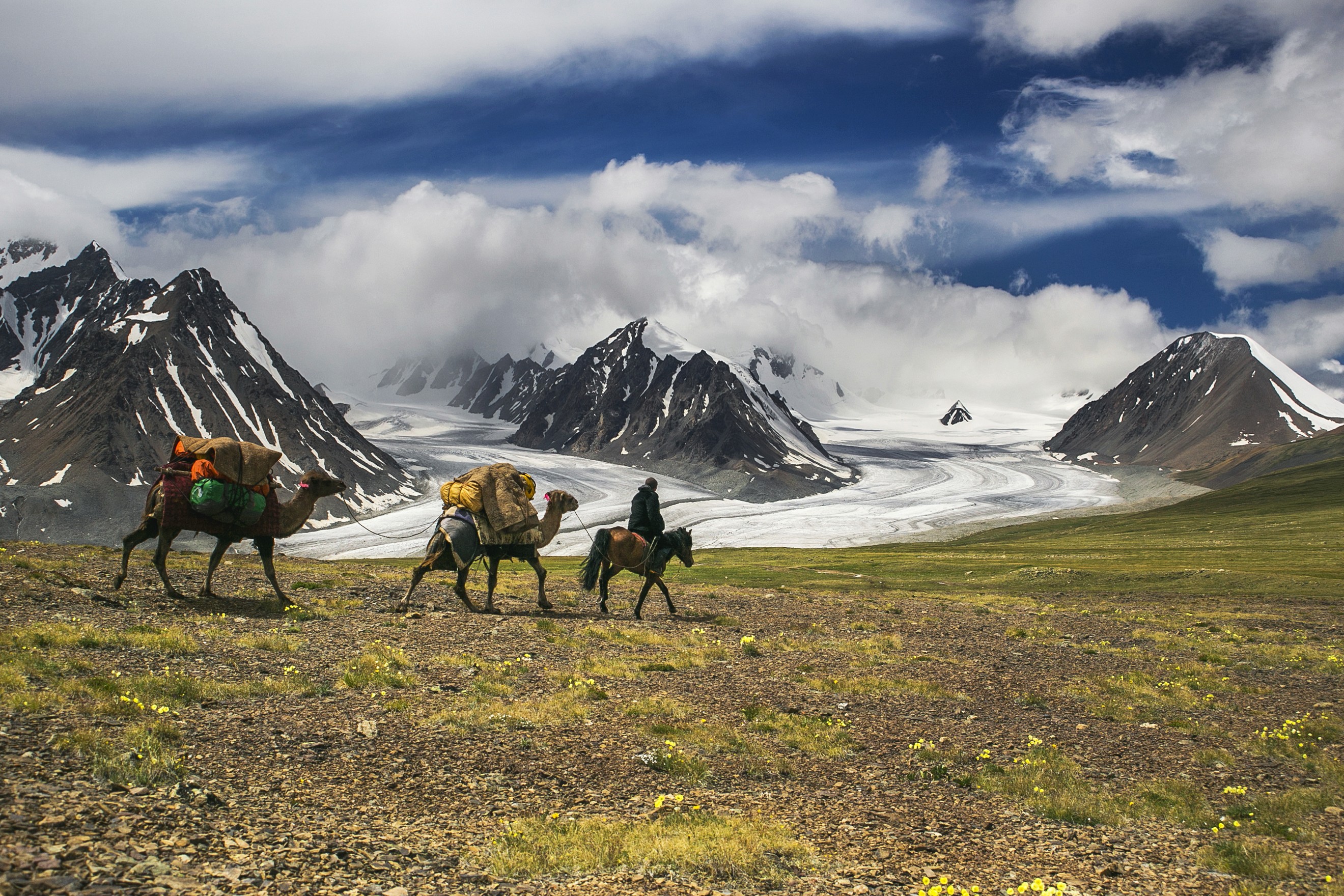
Nomadic life is also clearly visible. Families move seasonally with their livestock, maintaining traditions that remain active rather than preserved.
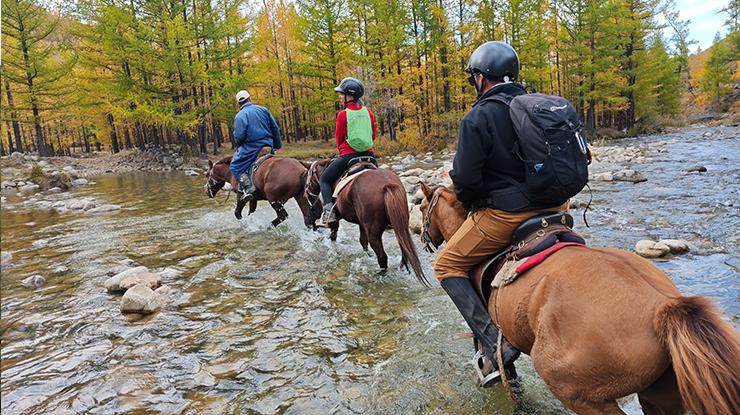
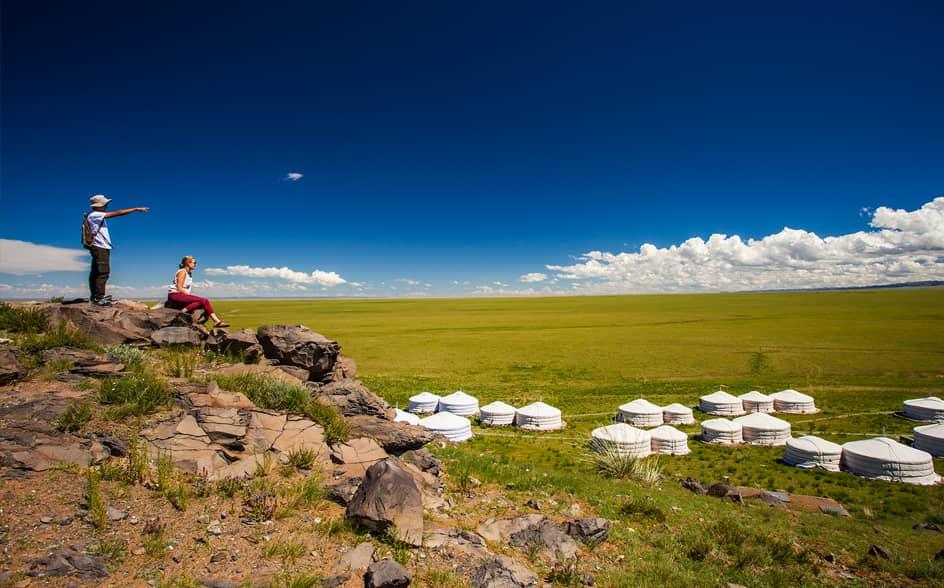
Travel conditions are more manageable than in remote regions. Roads are mixed but routes are well known, and accommodation is widely available in ger camps and small lodges.
For many travelers, Central Mongolia provides the clearest understanding of how landscape, history, and daily life come together.
Key Places
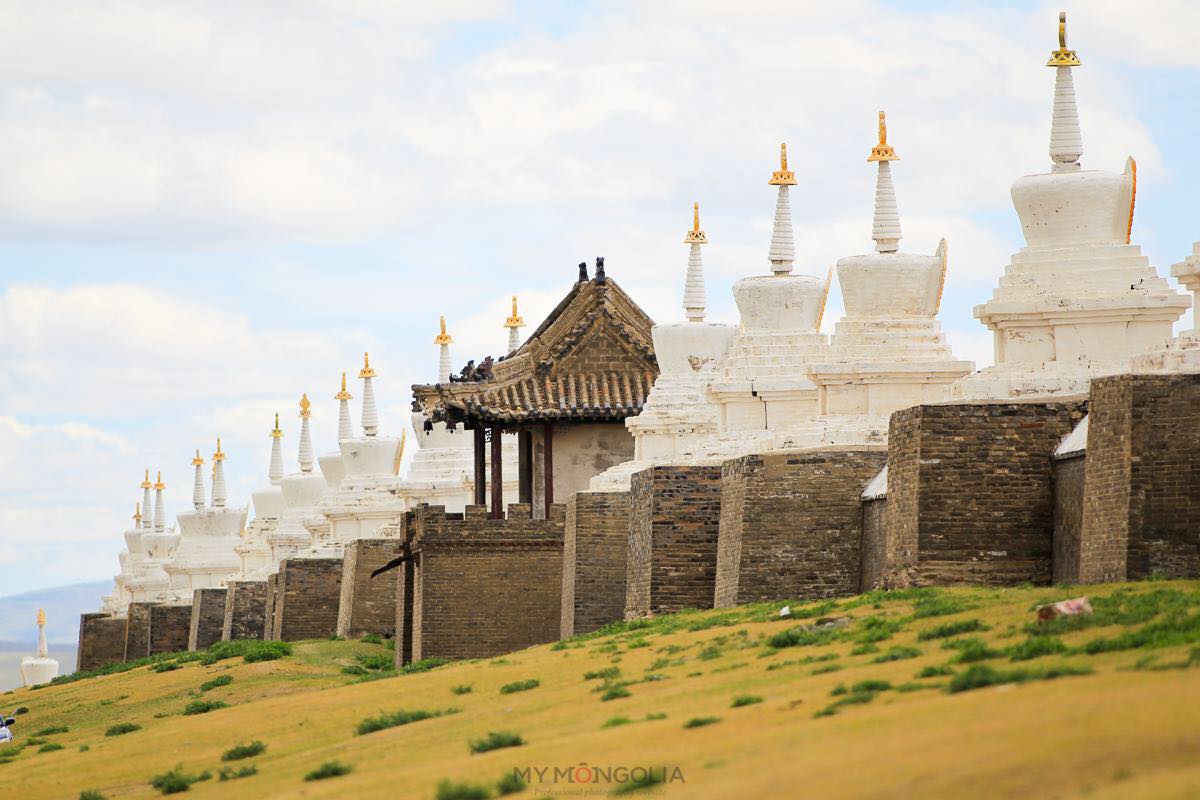
Kharkhorin & Erdene Zuu
The former capital of the Mongol Empire and site of Mongolia’s first monastery. History remains visible across the surrounding landscape.
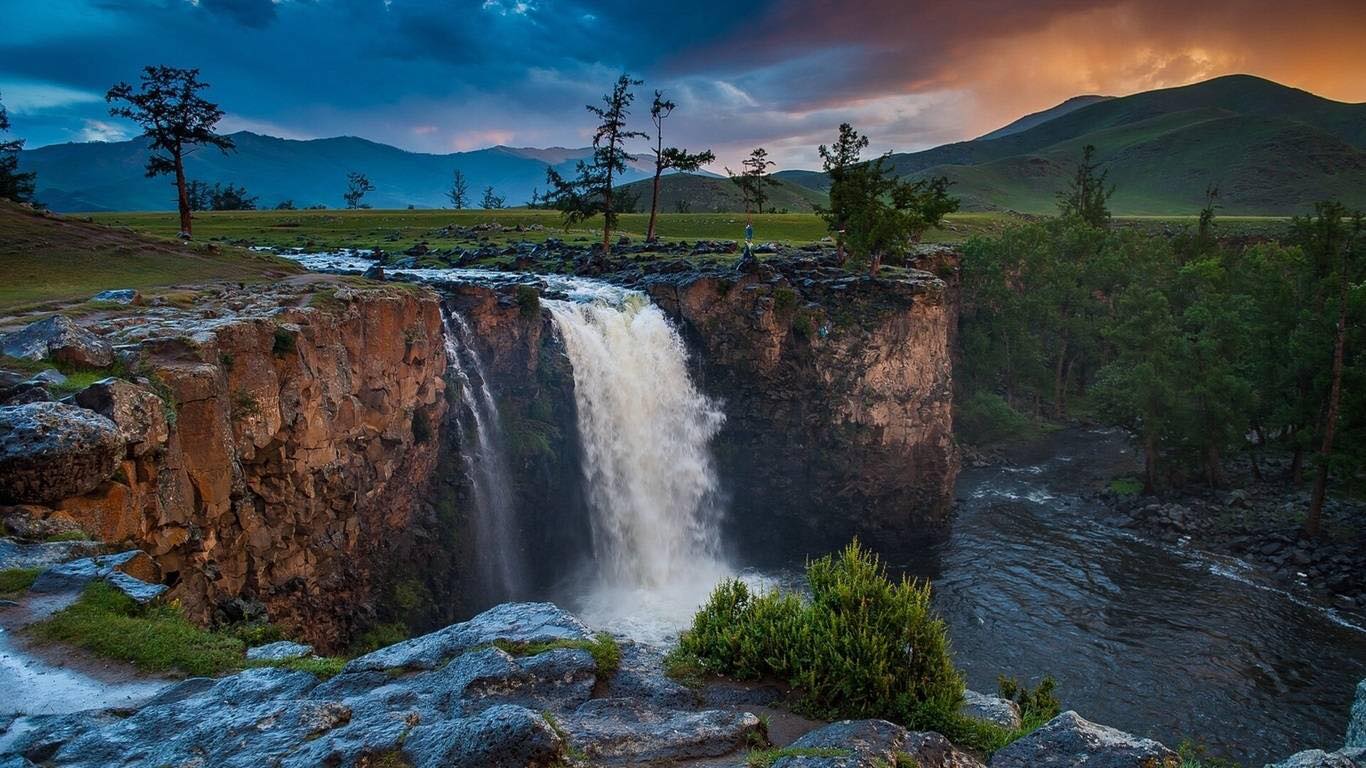
Orkhon Valley & Waterfall
A wide valley shaped by rivers and volcanic activity. One of the most important cultural landscapes in Mongolia.
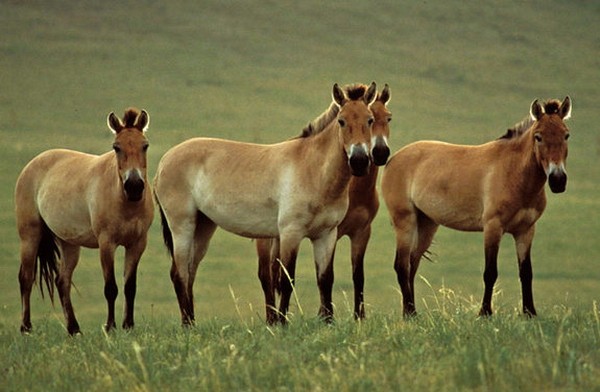
Khustai National Park
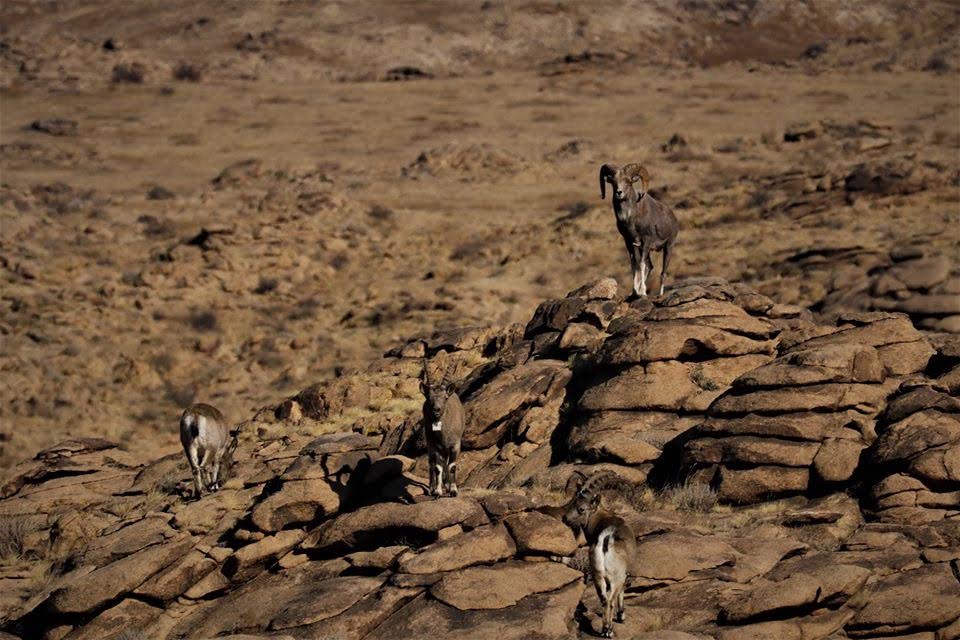
A protected area where the last wild horses were reintroduced. Home to diverse wildlife across open steppe and hills.
Tsagaan Agui
A prehistoric cave with evidence of early human life. One of the oldest archaeological sites discovered in Mongolia.
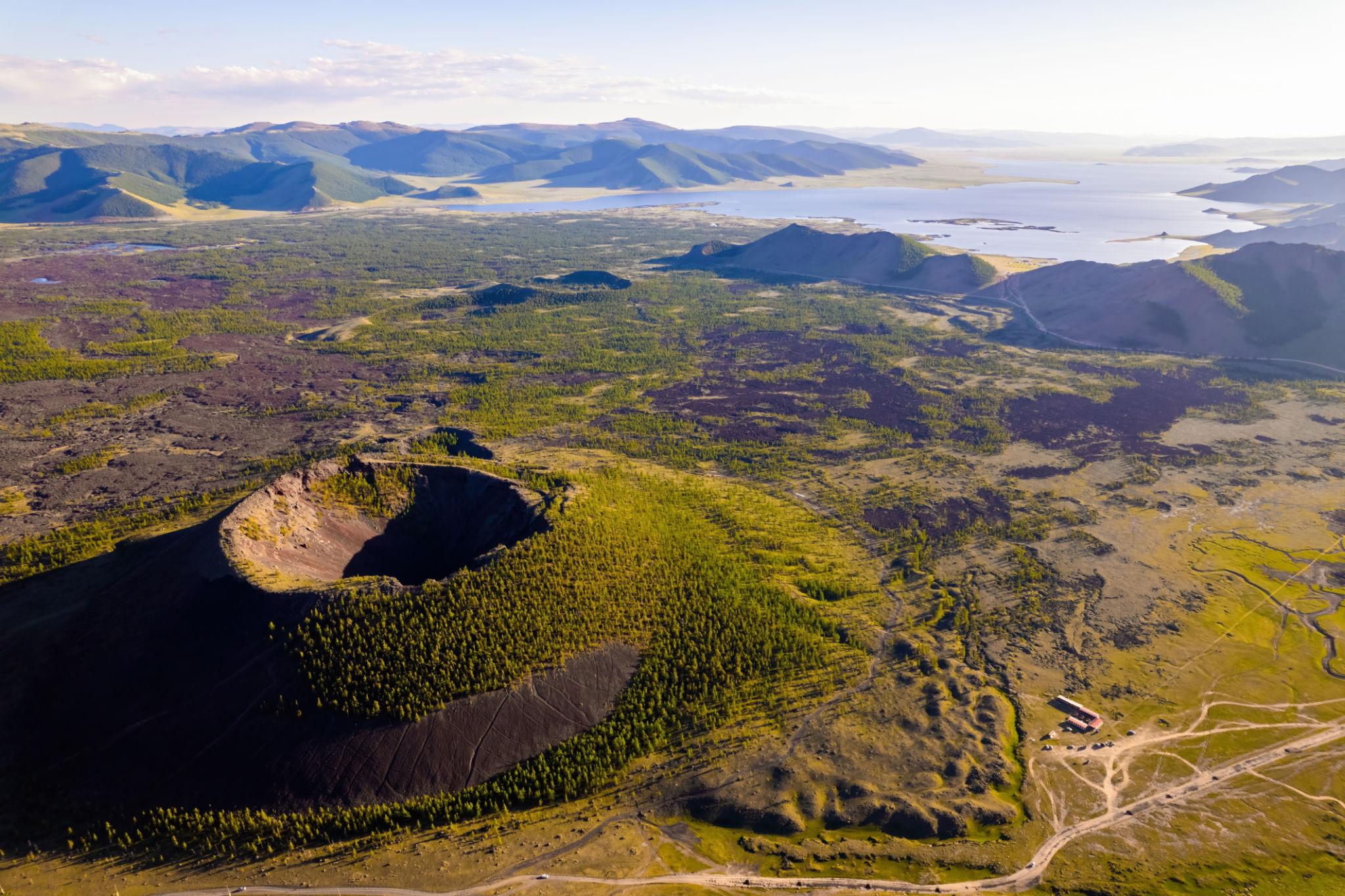
Khorgo Volcano
An extinct volcano surrounded by lava fields and open terrain. Visitors can walk to the crater and view the landscape from above.
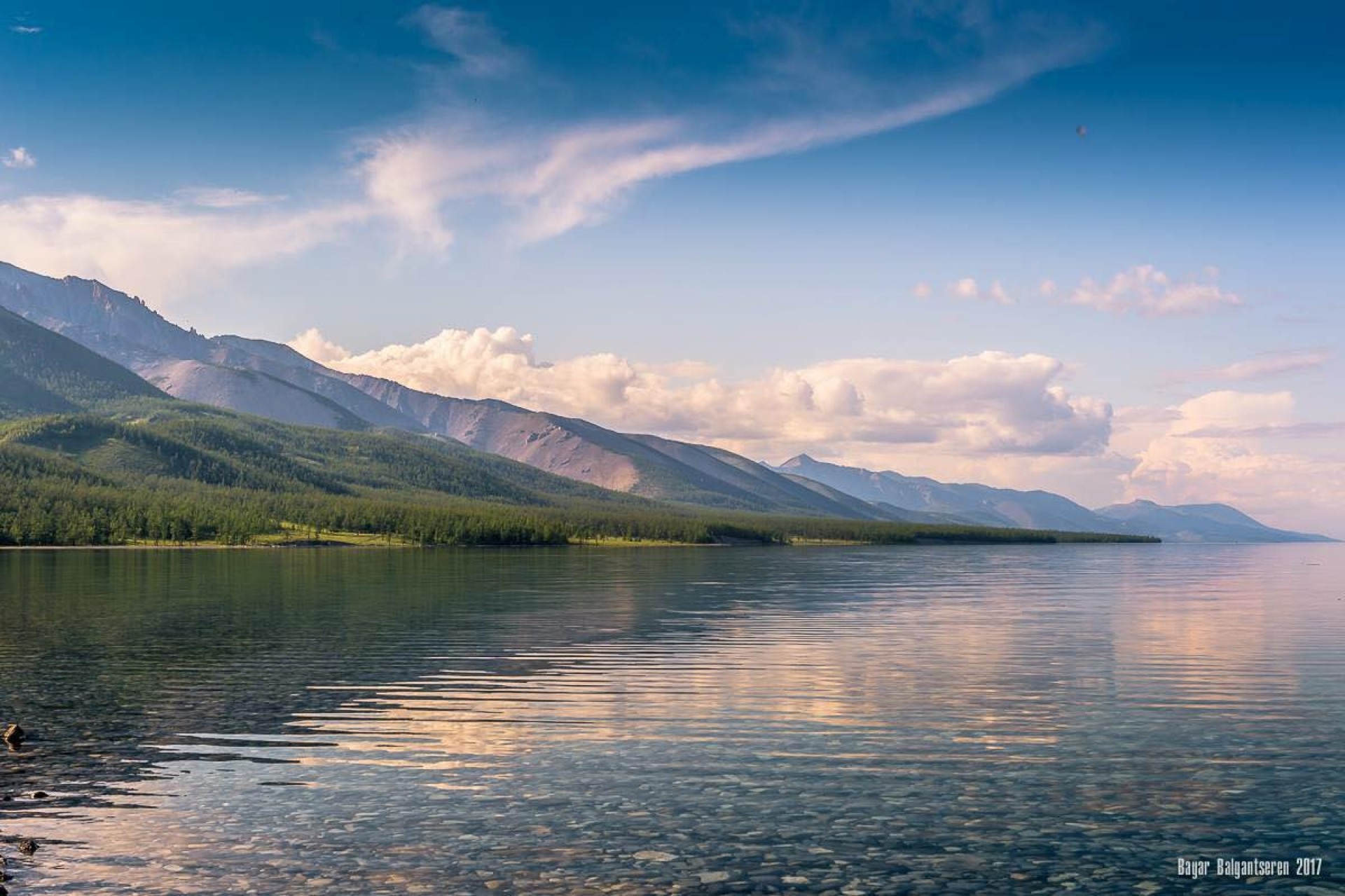
Terkhiin Tsagaan Lake
A clear freshwater lake surrounded by mountains and forest. A popular area for camping, walking, and quiet exploration.
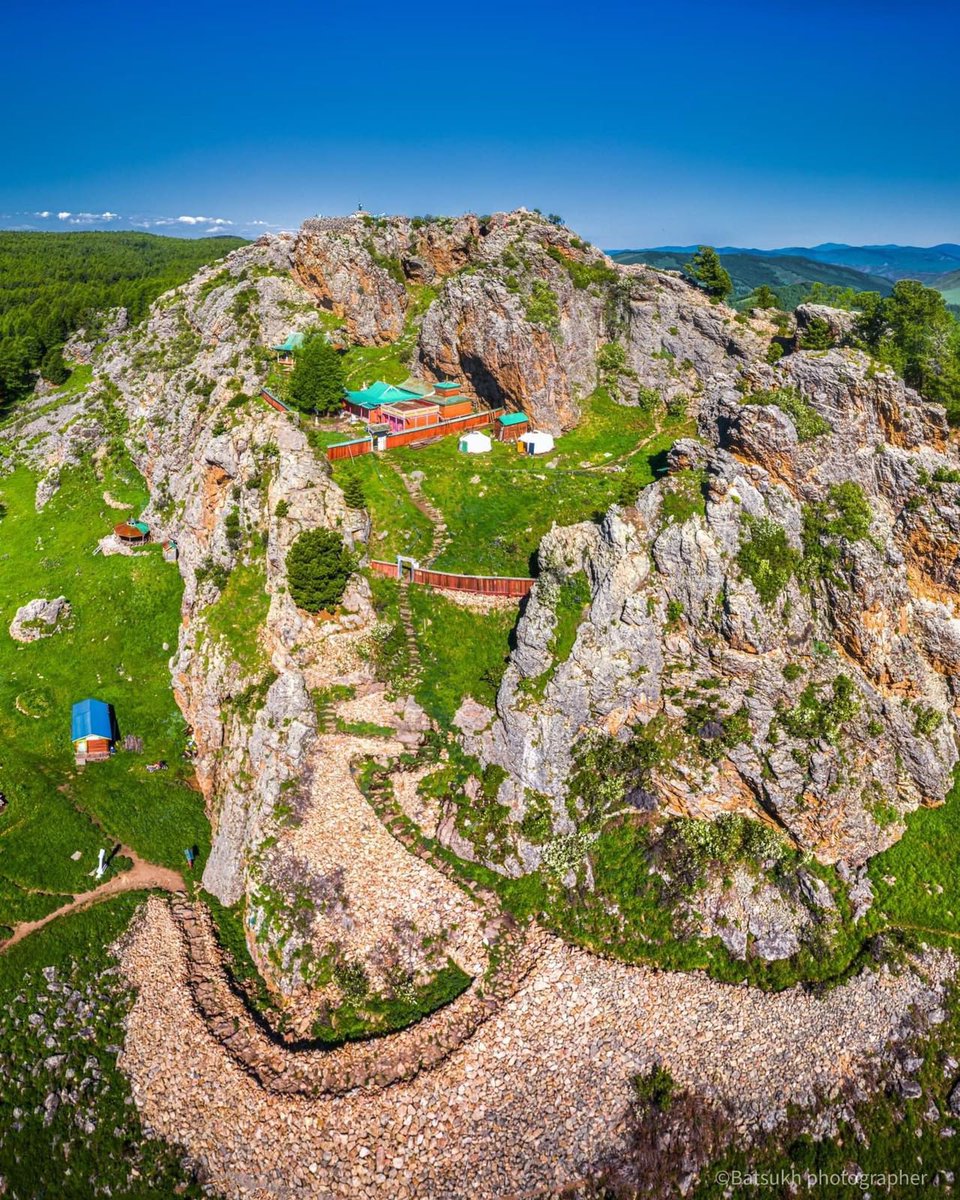
Chuluut River Canyon
A deep canyon carved by volcanic rock and flowing water. Offers dramatic views and access to unique geological formations.
Tuvkhun Monastery
A historic monastery built on a mountain ridge. Known for its remote setting and strong spiritual significance.
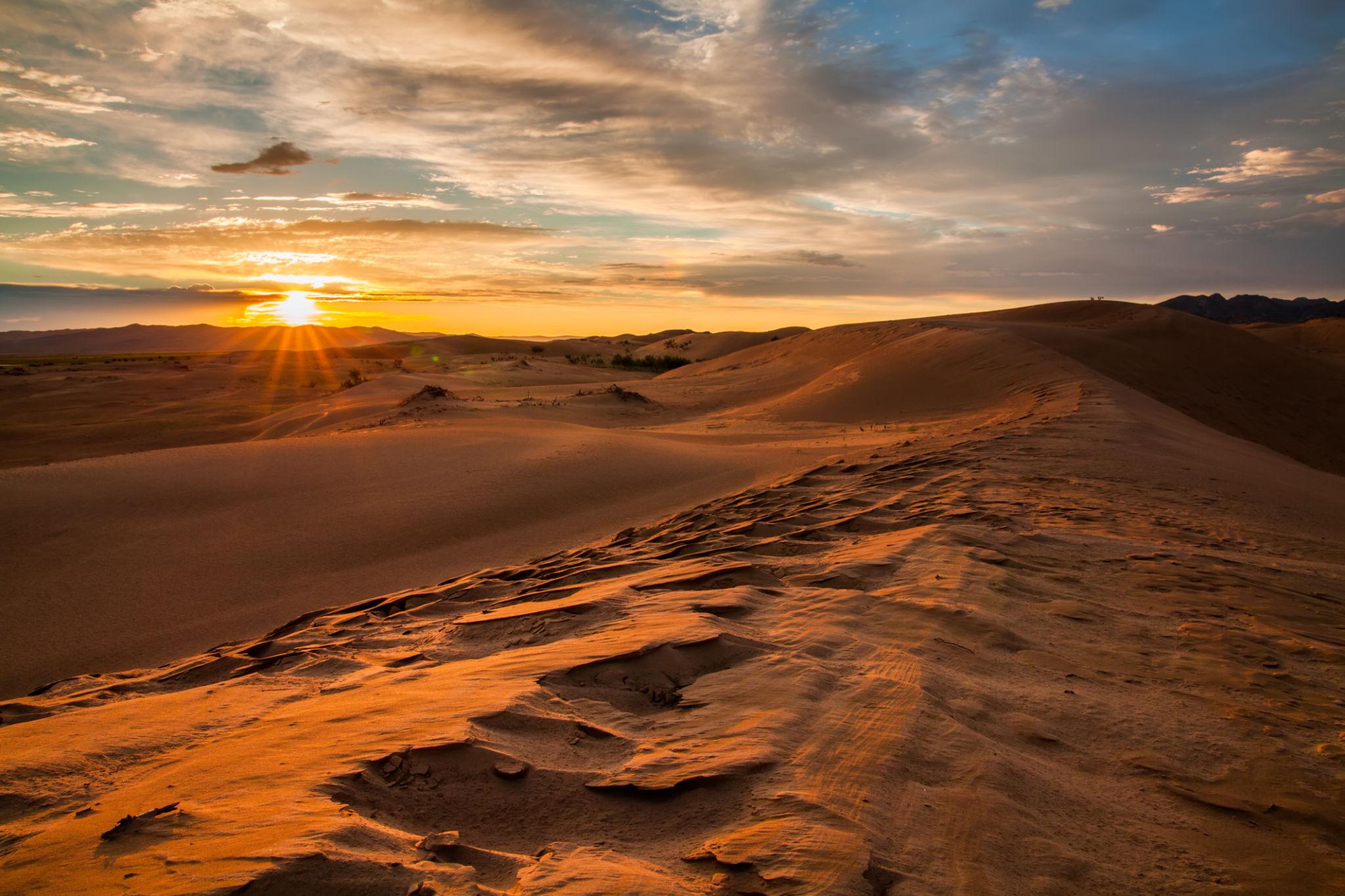
Aryabal Meditation Temple
A quiet temple located above Terelj valley. Known for peaceful surroundings and panoramic views of the landscape.
Elsen Tasarkhai
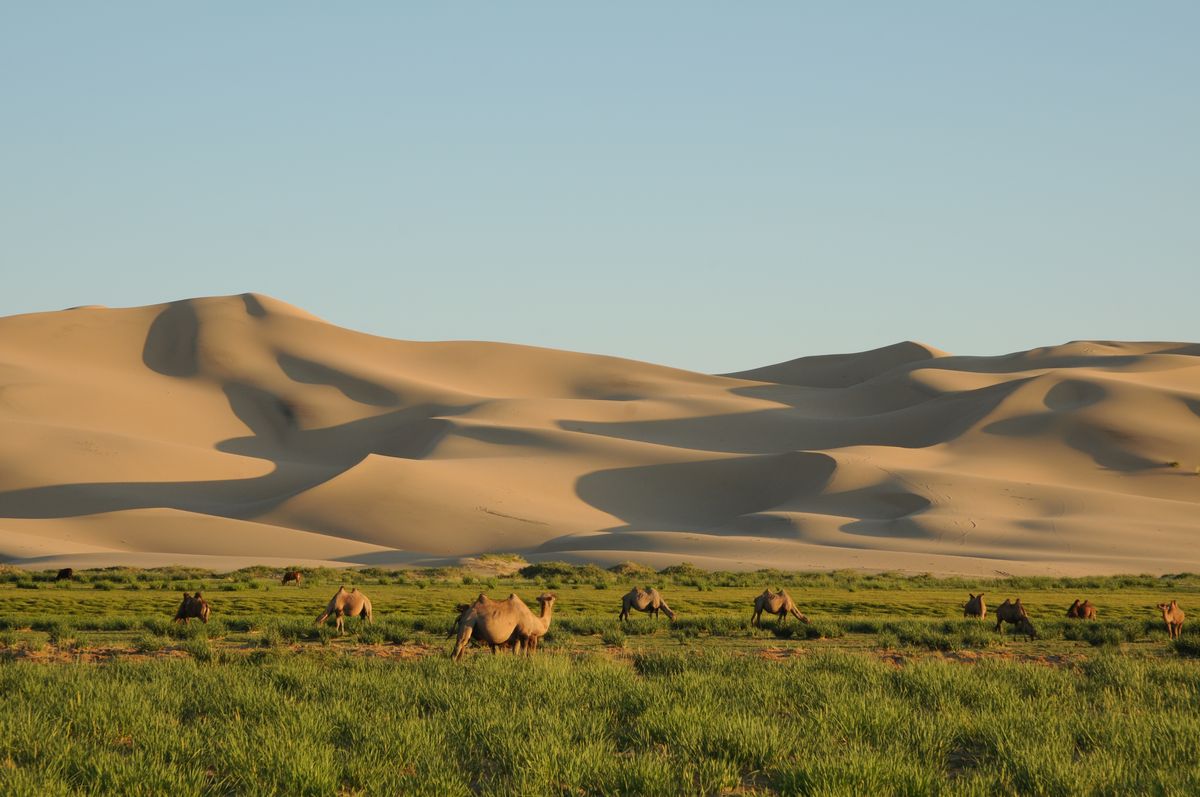
Sand dunes located in the middle of steppe terrain. A simple way to experience desert landscapes within Central Mongolia.
Terelj National Park
A protected area near the capital with rock formations and valleys. Easily accessible and popular for short nature trips.
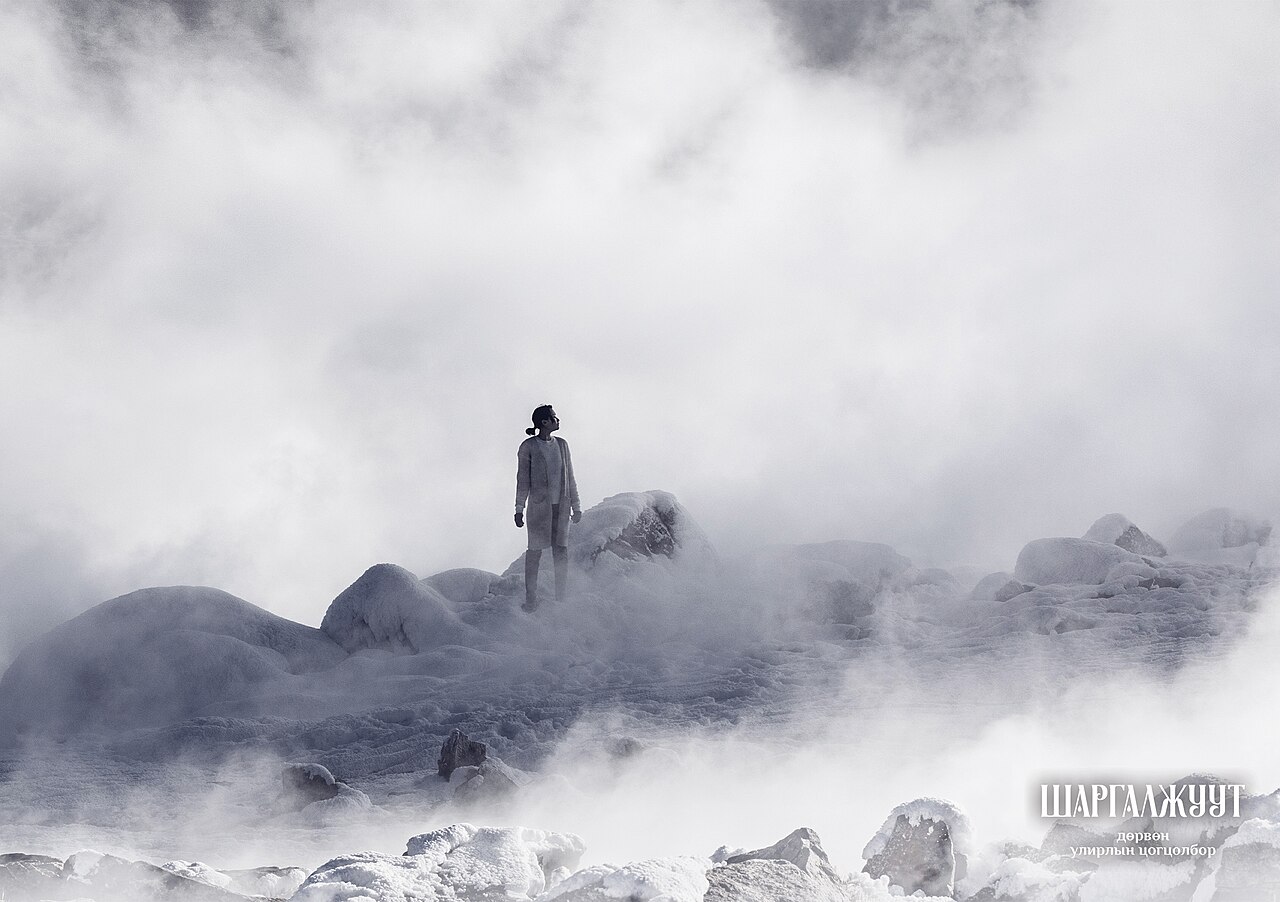
Shargaljuut Hot Spring
A high-altitude hot spring region with numerous mineral sources. Remote, quiet, and known for natural relaxation experiences.

Frequently Asked Questions