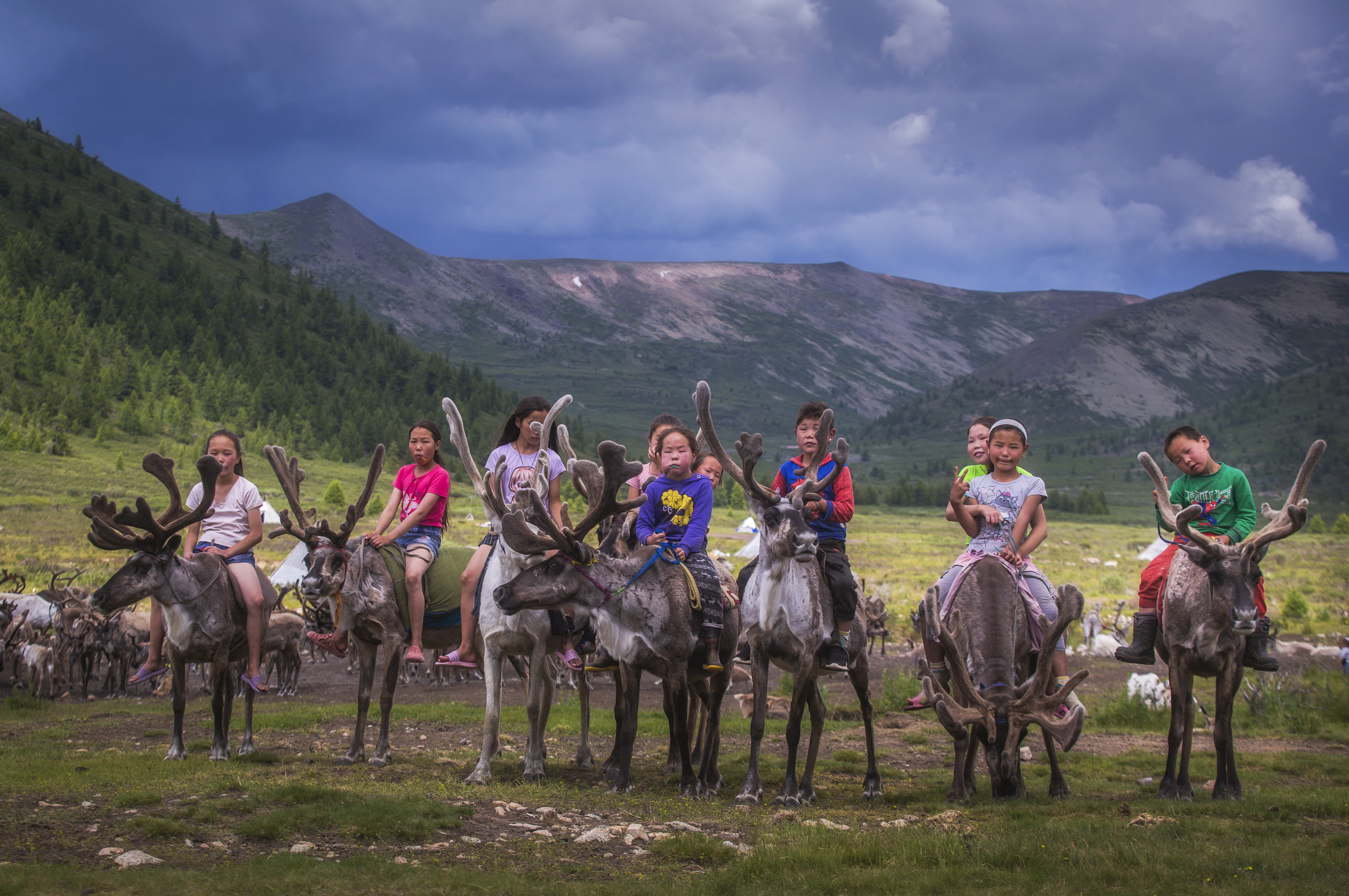
There are around 300 Tsaatan people left in Mongolia. Here is what it is actually like to visit them.
Introduction
Most travel writing about the Tsaatan reaches for the same words: mystical, ancient, untouched. I understand the impulse. The first time you ride into their camp through the taiga and see reindeer standing quietly around a teepee in the early morning light, it is genuinely difficult to describe.
But those words set people up for the wrong kind of experience. The Tsaatan are not a mystical tribe frozen in time. They are families — specific, individual families — living a specific, difficult, practical life in one of the most remote corners of Mongolia. Understanding that before you go will make everything you find far more meaningful.
Who They Are
The Tsaatan — whose name means "those who have reindeer" in Mongolian — are not originally Mongolian. They are Tuvans, an ethnic group whose homeland straddles the Russian border. When Tuva was absorbed into the Soviet Union in 1944, many reindeer-herding families who had settled in northern Mongolia were cut off from their relatives across the border. They stayed, became Mongolian citizens, and continued the only life they knew.
Today, approximately 300 Tsaatan people remain in Mongolia, spread across around 40 households in two main areas of the northern taiga — the East Taiga and the West Taiga, both in Khövsgöl province near the Russian border. They are one of the last communities in the world that still depends entirely on reindeer for their way of life.
They speak their own language, Dukhan, a Turkic language unrelated to Mongolian. Many also speak Mongolian. Their children attend boarding schools in nearby towns during the school year.
They are not frozen in the past. Like all communities, they adapt to survive.
The Reindeer
The relationship between the Tsaatan and their reindeer is practical before it is anything else.
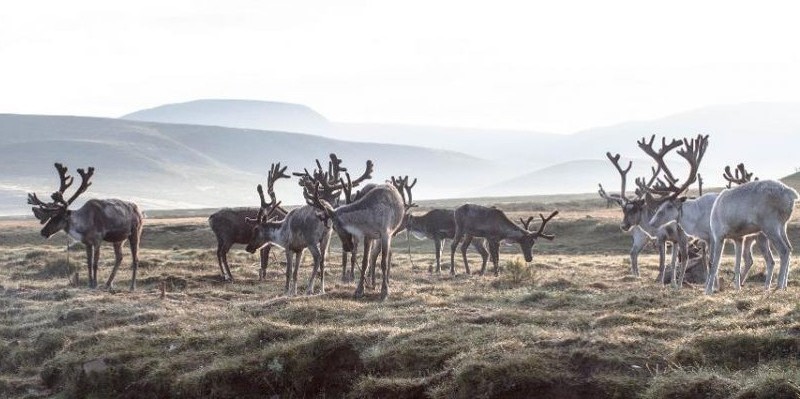
Each family keeps a herd of between 30 and 100 animals. The reindeer provide milk — fatty, rich, used for tea and dairy products. They provide transportation through terrain that horses struggle to navigate: reindeer have cloven hooves that grip uneven and boggy ground more effectively than horses. Historically they also provided meat and hides, though today hides are often sold rather than used.
The reindeer are not pets, but they are not distant animals either. They are integrated into daily life in the way that livestock anywhere becomes integrated — familiar, necessary, worked with every day. After morning milking, the herd goes out to graze and returns on its own by evening. The calves are kept tied near the camp. A missing reindeer means a day of searching through dense forest. A sick reindeer is a serious problem.
What surprises many visitors is how ordinary this looks up close. You expect something ceremonial and find something more like what it actually is — a family managing their animals, checking on the herd, doing the work that needs doing that day.
Shamanism
The Tsaatan practice shamanism — one of the oldest surviving forms in Central Asia, predating Buddhism by centuries. They believe that spirits inhabit all parts of nature: animals, rivers, trees, mountains. Shamans conduct rituals to heal illness, protect the herds, and maintain balance between the human and natural world.
The Tsaatan shamans became known to a wider audience through the 2009 documentary film *The Horse Boy*, in which an American couple traveled to northern Mongolia with their young autistic son, seeking healing through the shamans of the taiga. The film brought significant international attention to Tsaatan shamanic traditions and, to a degree, to the Tsaatan themselves.
Carved reindeer antlers, animal skulls, and small offerings can often be found around their camps. Shamanism here is not performance or ceremony for visitors — it is a living belief system, practiced quietly and seriously, woven into the daily life of the community.
The Taiga
The taiga is not comfortable. This is important to understand before you go.
The Tsaatan live at elevations between 1,800 and 2,300 meters, in dense boreal forest bordering Siberia. Winters reach -40°C or colder. Even in summer, the taiga stays cool — reindeer cannot tolerate heat and need to remain at altitude, so the Tsaatan follow them upward into the coldest, highest terrain as temperatures rise.
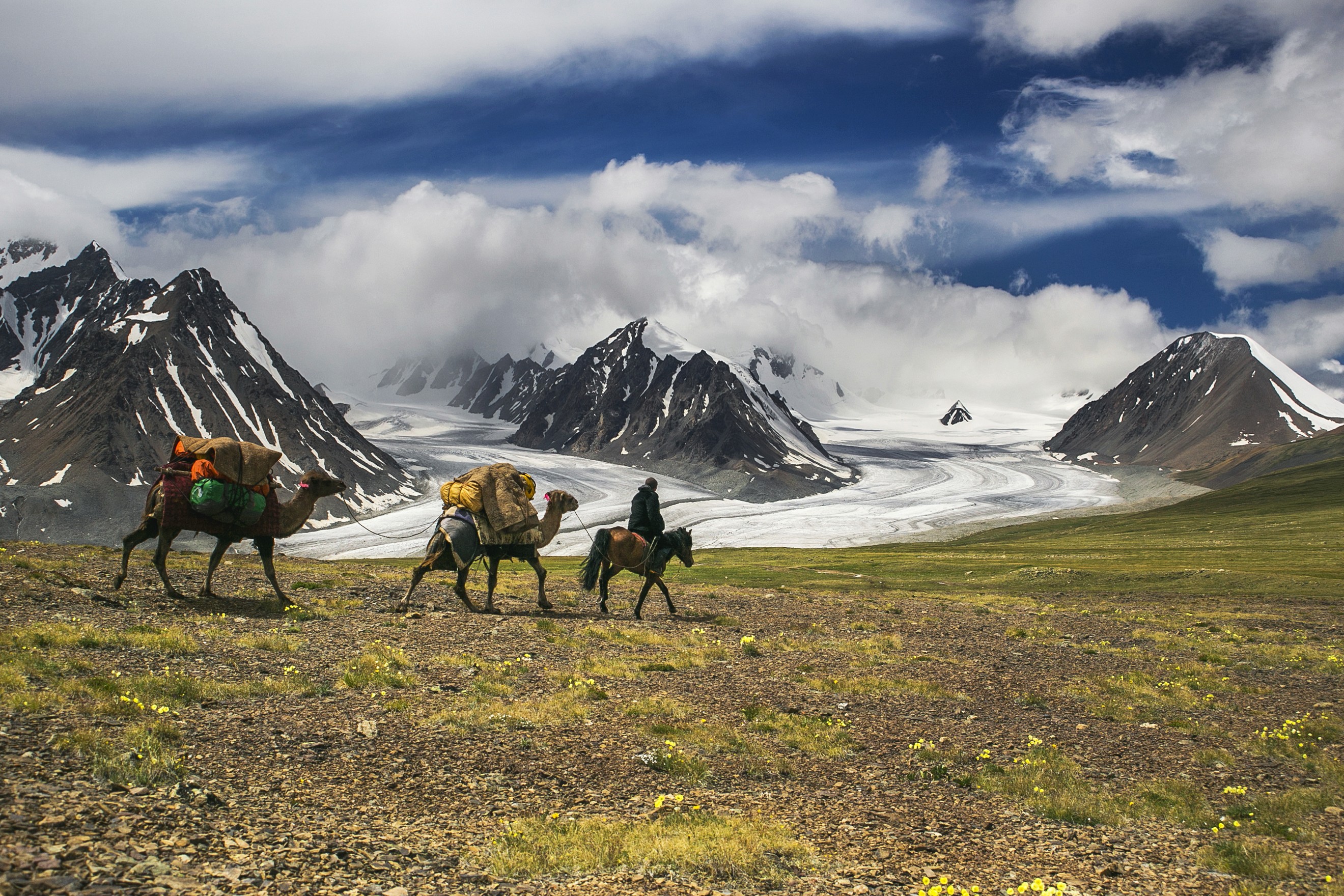
Getting there requires a full day on horseback from the nearest road. The route climbs steadily through forest and across swampy ground. There is no path in the conventional sense — you follow the terrain. When it rains, the ground turns to mud. The distance from any town or medical facility is significant.
None of this is meant to discourage you. It is meant to prepare you honestly. Arriving tired and a little cold, having navigated real terrain to get there, changes how you feel when you find the camp. You have earned your way in. That matters.
What You Will Find
The Tsaatan are quiet people. They live in silence and have no particular need for noise. They are not unfriendly — they are simply at home in a way that doesn't require performance.
They live with what they need. Their ortz — cone-shaped teepees made from canvas and wood — contain a small stove, sleeping space, and the basic necessities of daily life. Nothing accumulates. Everything that can't be moved on a reindeer's back doesn't belong.
Spending time with them is not an activity. It is just being somewhere and letting the rhythm of that place exist around you. You drink tea. You watch the herd. You help with whatever needs doing if you're willing and able. You sleep when it gets dark and wake when it gets light.
Food options are limited — the taiga doesn't offer much variety, and resupply is difficult. Come prepared. Bring anything you have specific dietary needs for.
What to Know Before You Go
Medical care is far away. The nearest town with any medical facility is a long ride and then a long drive from the camps. Travel insurance with emergency evacuation coverage is not optional.
The season matters. Summer — June through early September — is when the Tsaatan are at their highest elevations, following the reindeer into the cool upper taiga. This is the most accessible time to visit.
Come with a guide who has real relationships with specific families. The Tsaatan are not a tourist attraction. They are people with their own lives and preferences about visitors. A guide who has worked with them for years will know which families welcome visitors, how long to stay, and how to conduct a visit that doesn't impose on their daily life.
Leave your itinerary behind. In the taiga, weather changes, animals stray, and things happen on a schedule that has nothing to do with yours. Flexibility is not optional — it is the only way to visit.
One Last Thing
The Tsaatan are not waiting to be discovered. They have survived Soviet collectivization, the near-collapse of their reindeer herds in the 1990s, the loss of their traditional hunting grounds, and decades of well-meaning but often disruptive outside attention. They are still here.
Visiting them is a privilege. Treat it as one.
Baaska Mongolia runs expeditions to the northern taiga each summer, traveling with small groups to visit Tsaatan families in the East Taiga.