CENTRAL MONGOLIA
Popular Cities
Kharkhorin · Khujirt · Tsetserleg
Ideal Duration
5 – 10 Days
Best Time to Visit
June – September
About the Destination
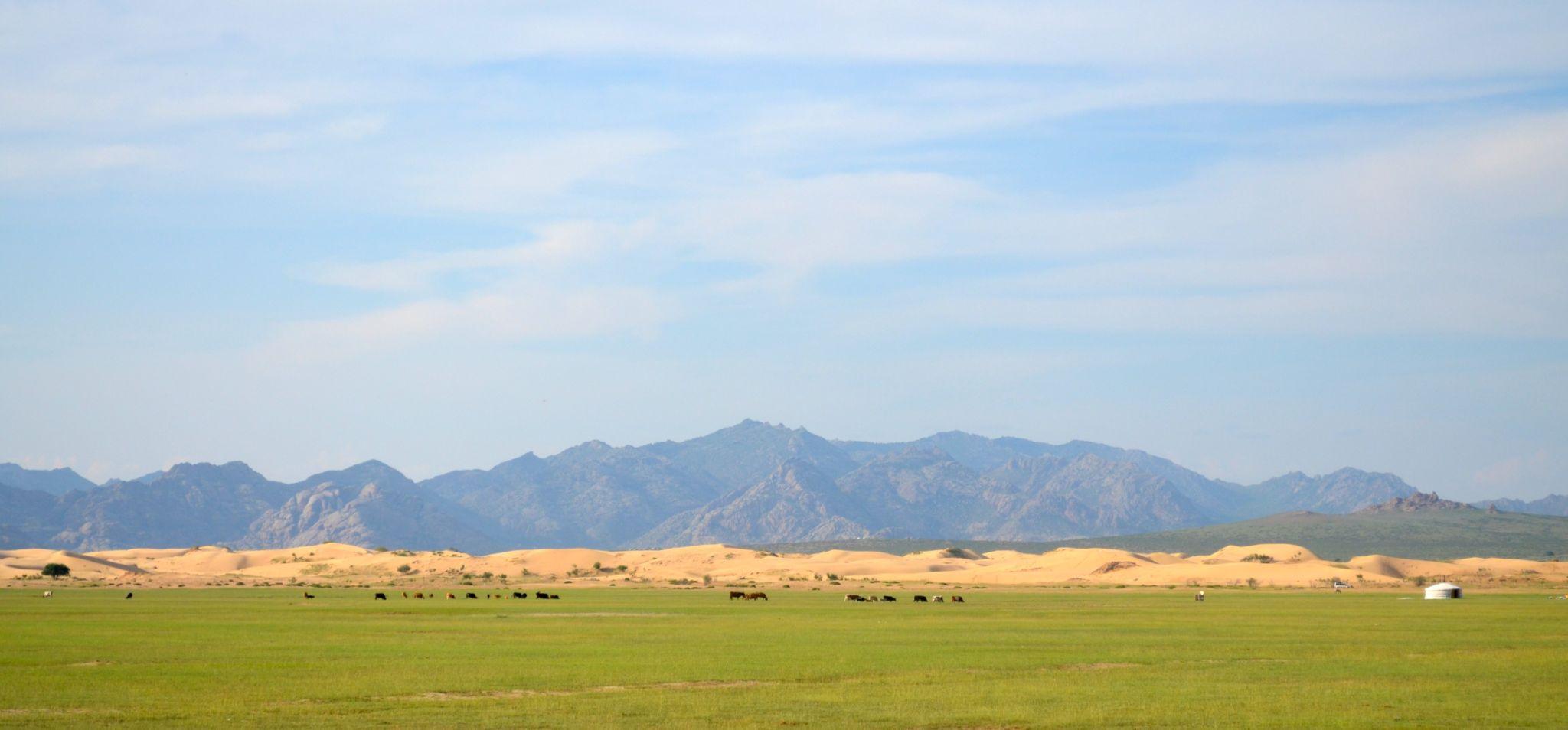
Central Mongolia is where the heart of the great Mongol Empire still beats. The Orkhon Valley — a UNESCO World Heritage Site — served for centuries as the political and spiritual center of nomadic empires, from the ancient Xiongnu to Genghis Khan himself. Kharkhorin, the 13th-century capital of the Mongol Empire, sits beside Erdene Zuu — Mongolia's first Buddhist monastery, founded in 1586 from the very stones of the empire's fallen capital. The surrounding steppe and Khangai mountains offer some of Mongolia's most accessible and deeply rewarding landscapes — where history is not displayed behind glass, but lived, breathed, and ridden across on horseback.
Why visit this destination
Central Mongolia is the ideal introduction to the country — close enough to Ulaanbaatar to reach comfortably, yet vast enough to feel truly, completely remote. Here, you can ride horses with nomadic herders in the morning, walk the ruins of a 13th-century imperial capital in the afternoon, and fall asleep beneath stars that have watched over empires rising and falling for two thousand years. It layers history, spirituality, wildlife, and nomadic culture into a single journey that is impossible to forget.
Unique Propositions
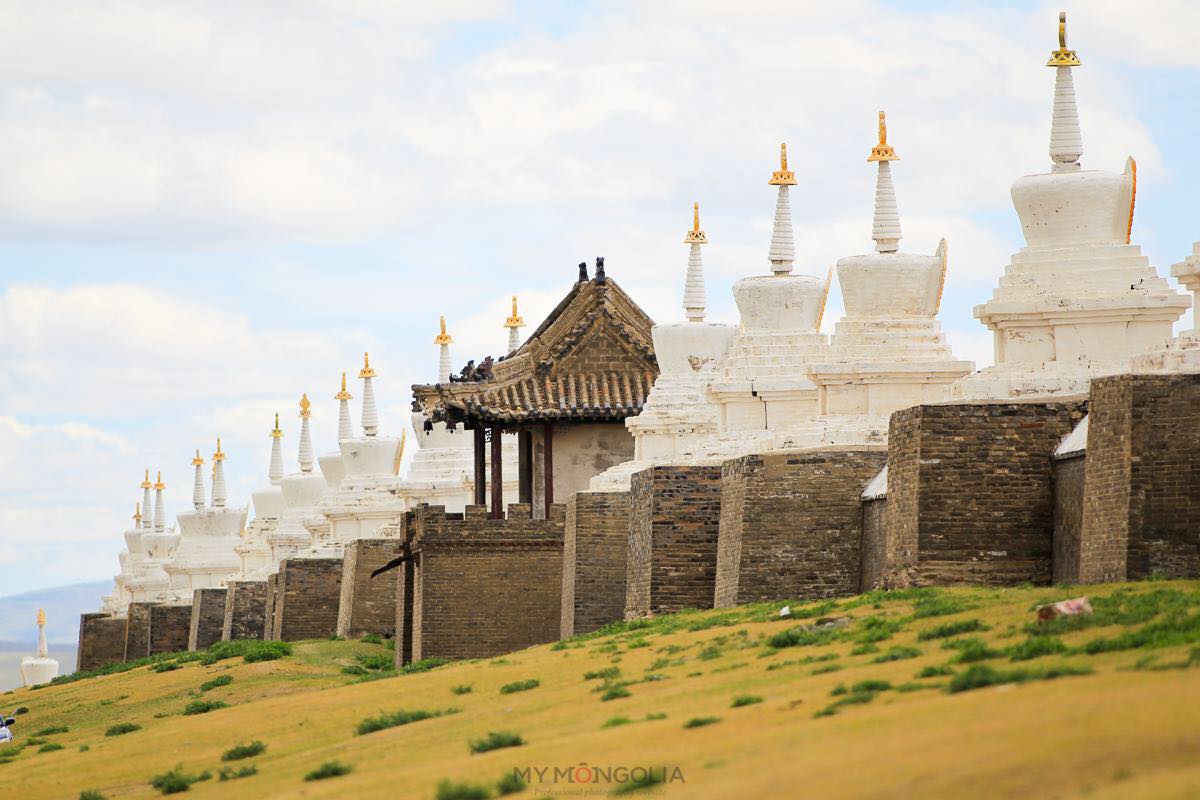
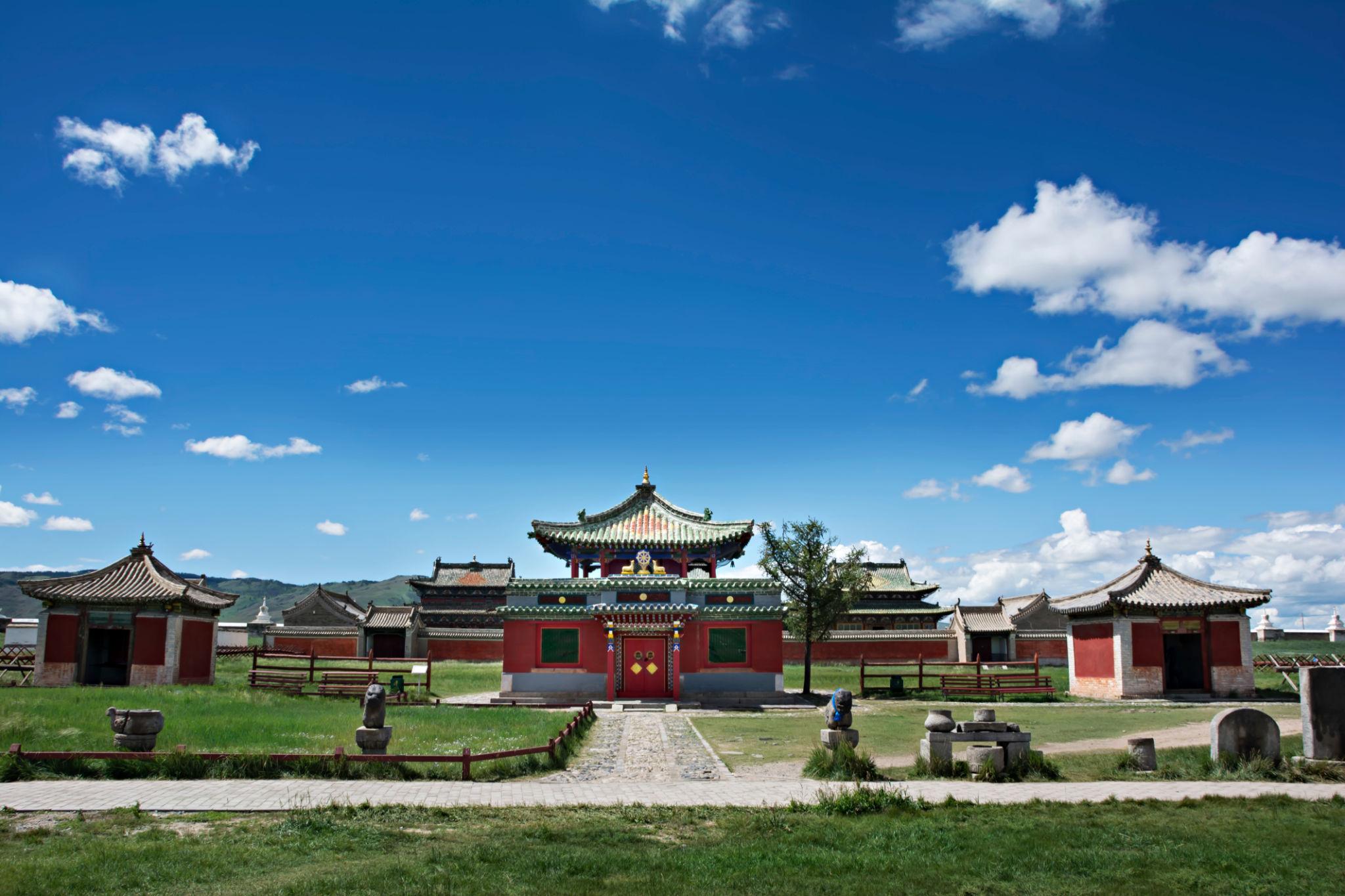
Kharkhorin & Erdene Zuu Monastery — Walk the grounds of Genghis Khan's 13th-century capital — once the political heart of the largest contiguous empire in human history, a city that received ambassadors from Paris to Beijing at the height of its power. Its spirit still lingers in the soil. Beside it stands Erdene Zuu, Mongolia's first Buddhist monastery, encircled by 108 white stupas and walls that have witnessed centuries of devotion, destruction, and survival. Founded in 1586 from the rubble of Kharkhorin itself, it endured communist persecution and still stands today as one of Mongolia's most sacred living sites.
Khustai National Park — Home to the Przewalski's horse — takhi in Mongolian, meaning "spirit" — the last truly wild horse on Earth, brought back from the brink of extinction through one of the world's most remarkable conservation programs. Today, over 300 roam freely across the park's rolling steppe, alongside red deer, Mongolian gazelle, and over 200 bird species. At dusk, watching a herd move across the hillside in the amber light, you understand why the Mongols considered the horse sacred.
Shargaljuut Hot Spring — Nestled in the Khangai Mountains at 2,150 meters elevation, this extraordinary natural spa has been drawing healers and pilgrims since the 17th century, when a Mongolian lama physician first documented its restorative powers. Over 300 mineral springs emerge across 4 hectares, each with different temperatures and mineral compositions. The steam rising from the valley floor in the early morning light is one of Central Mongolia's most haunting and beautiful sights.
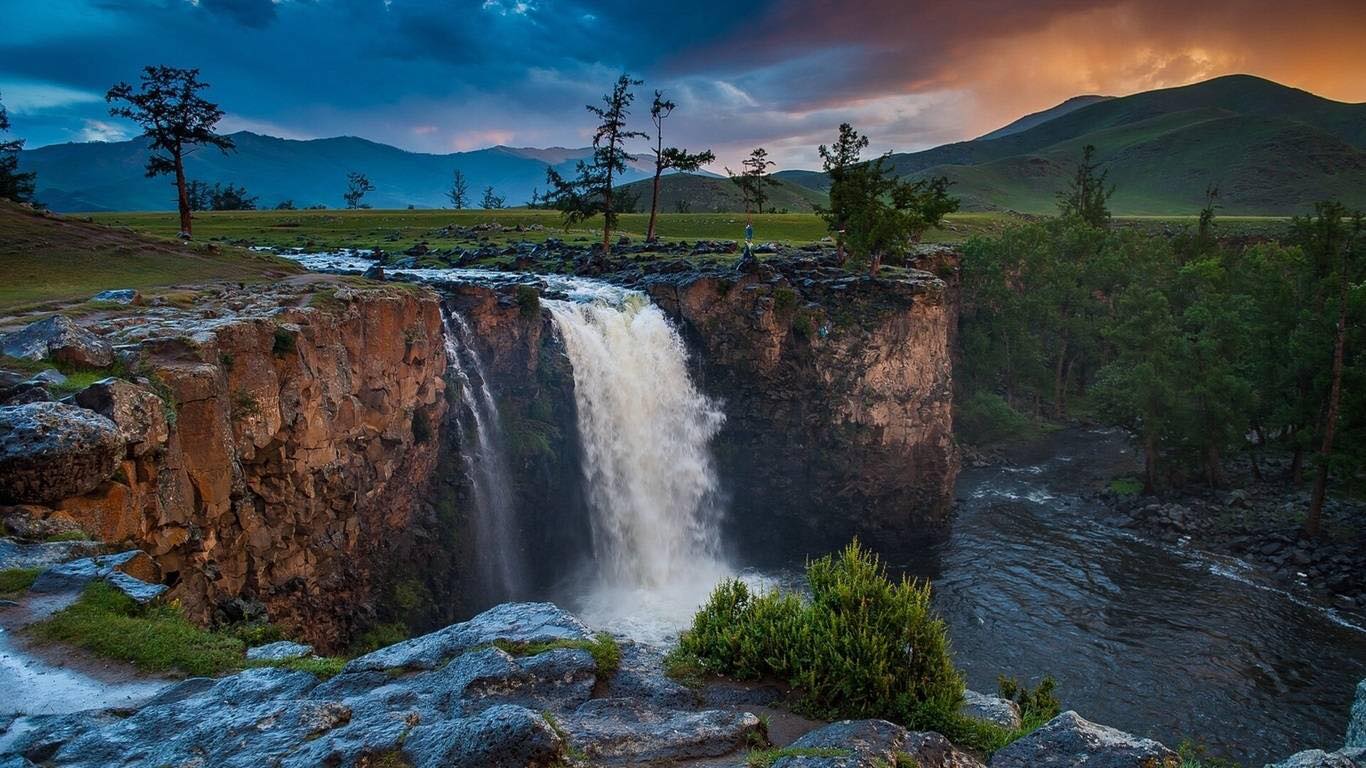
Orkhon Valley Waterfalls & Ancient Volcanic Landscape — Witness the Ulaan Tsutgalan waterfall, where the Orkhon River drops 20 meters through a volcanic gorge carved by prehistoric lava flows millions of years ago. The surrounding landscape — dotted with extinct volcanoes, strange basalt formations, and hidden hot springs — feels like the surface of another world, ancient and elemental and wholly alive.
Authentic Nomadic Homestays — Experience the full, unfiltered rhythm of Mongolian nomadic life. Wake before dawn to help milk the horses, learn to make airag — fermented mare's milk, sharp and alive on the tongue — using techniques unchanged for centuries, help herd livestock across the open steppe, and sleep in a ger while stories are told by firelight in a language older than any nation.
Tsenkher Hot Spring — Soak in mineral-rich waters rising from the volcanic heart of the Khangai range, surrounded by pine forest, mountain steppe, and a silence so complete you can hear the water moving beneath the Earth.
Karakorum Museum — Newly expanded and housing a world-class collection of artifacts from the Mongol Empire era: ancient Buddhist sculptures, imperial seals, coins from across the medieval trade routes, and treasures excavated from the ruins of Genghis Khan's capital. One of the most important historical museums in Central Asia.
Practical Information
Access — Most destinations in Central Mongolia are 4–8 hours by road from Ulaanbaatar. Kharkhorin, Khustai National Park, and Shargaljuut are all accessible via paved and dirt roads — no flights required.
Best Time to Visit — June to September offers warm weather and lush green steppe landscapes ideal for travel. May and October are cooler but still rewarding. Winter transforms the region into a landscape of snow and silence — ideal for hot spring retreats and solitude.
Activities — Horse trekking, nomadic homestays, historical site exploration, hot spring bathing, wildlife viewing, museum visits, photography.
Central Mongolia is where Mongolia's past and present meet without seam or boundary. Here, you do not learn about history — you live alongside it, riding horses across the same grasslands where Genghis Khan's armies gathered, sleeping beneath skies that have watched over the rise and fall of empires, and sharing meals with families whose way of life stretches back, unbroken, for a thousand years.